Top five mistakes in your DLP strategy (and how to avoid them)
April 03 · 8 min read
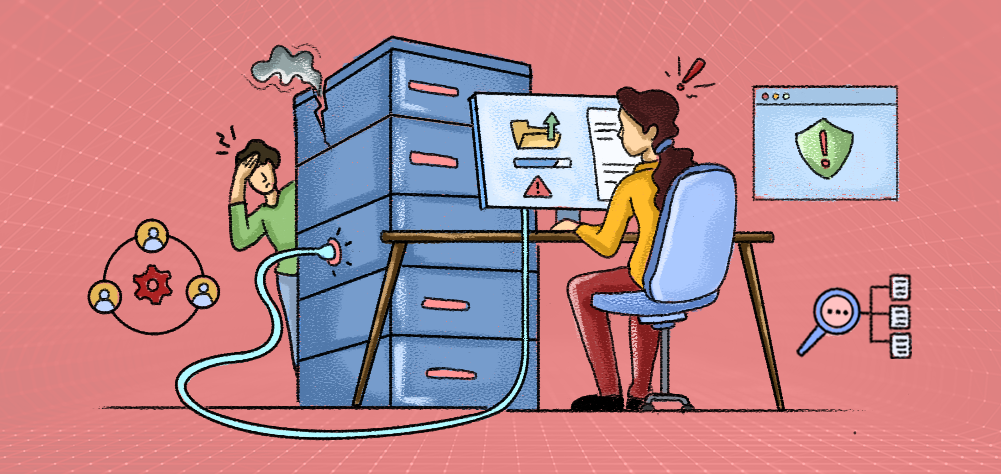
We've all clicked "agree" or accepted cookies without going through the terms and conditions. It's a small action, but one that can open the door to data risks, despite having antivirus or firewalls in place. The same applies at an organizational level: Even with a DLP solution in place, concealed mistakes can quietly undermine the entire effort. This article looks at the most common mistakes that weaken DLP efforts and how organizations can prevent them with practical, well-aligned strategies.
1. Not aligning DLP with your data security strategy
Many organizations mistakenly believe that deploying a DLP tool will instantly solve their data security challenges. DLP software is an important piece of the puzzle. However, relying solely on it is like trying to secure a house with an alarm system but the doors are unlocked. No matter how advanced the alarm system is, if you haven’t taken basic security precautions, it won’t stop an intruder. The same logic applies to DLP. If your organization hasn’t built a strong foundation in data security, even the best DLP product will fail to deliver real protection.
DLP should be seen as an organizational process, not just a tech purchase. Before investing in a DLP tool, companies must establish:
- Clear compliance and regulatory frameworks
- Data classification and labeling policies
- Defined ownership and retention strategies
- Strong access control and encryption mechanisms
- Continuous monitoring and incident response
- Smooth integration of DLP with existing security tools
2. Single source for storage and backup
A poorly managed backup strategy can weaken your DLP posture by increasing exposure to sensitive data and complicating compliance efforts. One of the most common missteps? Backing up every single file on every device. While it might sound like a foolproof approach to data protection, it can actually do more harm than good.
For starters, not all data needs to be backed up, and certainly not from every local device. Sensitive information such as PII or payment card details should never reside on employee laptops or POS terminals. Storing this data locally not only increases breach risks but also raises compliance red flags with regulations like HIPAA and PCI DSS. This data is far better protected in a centralized, secure database with strict access controls.
Then there’s the issue of redundant data. Cluttered backups filled with duplicates or outdated versions of the same files can slow down recovery efforts and increase system strain. Instead of preserving every iteration of a file from different devices, focus should be on backing up only what’s essential—which includes the final versions, the mission-critical data, and the content necessary to maintain operations in case of disruption.
Don't store backups along with primary data. Even the most well-pruned backup becomes useless if it's stored in the wrong place. Keeping your backups in the same physical or network location as the primary data source is a recipe for disaster. Whether it’s a flood, fire, power surge, or cyberattack, both your original data and your backup can be wiped at once.
To avoid this, organizations must distribute backups across geographically diverse locations or adopt cloud-based and remote backup solutions. For example, if your primary servers are in the U.S., having backups stored in a separate regions such as Europe or Asia can be a lifesaver in the event of a regional outage or disaster. During the 2015 Chennai floods, Zoho avoided major disruptions because essential data was safely backed up across other campuses.
In other words, a crucial principle of an effective DLP plan is to avoid "anchoring your boat with a single rope."" Organizations should adopt a remote backup solution that ensures the backup remains safe even if the primary database is compromised. This approach enhances data security and ensures business continuity, even in the face of unexpected disasters.
3. Neglecting proper data classification
Let's say a developer accidentally uploads confidential project files to an unmonitored personal cloud account, bypassing the DLP system entirely. The issue? The company has no data classification policies, so the system didn’t recognize the files as sensitive. Access controls were weak, allowing unrestricted file transfers. Encryption wasn’t enforced, leaving the data exposed.
Data management must be intentional. You can address the first few challenges on a surface level, but if you don't commit to a focused, strategic approach to managing data and align it with your organization’s policies and risk profile, it’s all futile. The more intentional you are with data, whether on-premises or in the cloud, the stronger your DLP strategy will be.
Without proper data classification, securing data is like aiming at a moving target. First, you must understand what qualifies as sensitive within your organization to protect sensitive data. Begin by conducting a thorough data audit to pinpoint where sensitive data resides, how it’s being used, and who has access to it. Sensitive data spans personal identifiers to critical corporate assets. Properly categorizing data helps protect it effectively. Establish levels like public, internal, confidential, and restricted.
Once you’ve identified and classified your data, leverage both automated and manual processes for continuous monitoring. Automated data discovery tools can scan your network, databases, and endpoints to identify and catalog sensitive data. This helps ensure that your data inventory stays up to date and that new sensitive data is detected as it is created or enters your organization.
However, automated tools aren't infallible. Manual discovery is essential to catch sensitive data that automated tools might miss, especially data stored in unconventional locations like personal devices or shared drives. Regular audits and interviews with employees will help uncover these hidden risks and help you understand their data usage patterns.
4. Overlooking cross-functional collaboration
A successful DLP initiative cannot be driven solely from the top down directive, nor can it be left entirely to IT and security teams. DLP is an organization-wide effort that requires active participation from key stakeholders to be effective.
For instance, compliance and regulatory obligations must be clearly understood by IT teams implementing DLP, necessitating active involvement from legal and compliance teams. Additionally, assessing data management risks requires input from risk managers and data owners. Without a firm grasp of these aspects, developing an effective data classification policy that aligns with compliance, regulatory, and risk management requirements becomes difficult.
If these foundational elements aren’t in place, IT and security teams may struggle to implement the right controls on systems and data stores, leaving key risks unaddressed. Skipping these steps puts the organization at a serious disadvantage, making it difficult to implement effective DLP policies and often resulting in underutilized investments in DLP tools.
Many organizations put this into practice through a DLP council model—a structured framework that unites key departments, defines responsibilities, and tracks measurable outcomes. Here's an example:
The DLP council model:
Department |
Responsibilities |
Key metrics |
Example |
| Legal | Compliance mapping | Audit pass rates | 100% GDPR audit clearance |
| HR | Policy enforcement | Training completion | 70% of employees are trained within a month |
| IT | Technical controls | Incident response time | Critical incidents resolved within two hours |
| Operations | Risk assessment | Data exposure reduction | 40% reduction in sensitive data exposure |
5. Failing to educate employees
Like any major business initiative, executive leadership support is critical to the success of a DLP strategy. Securing buy-in from senior leadership the ensures that the importance of the DLP strategy is communicated throughout the organization, reinforcing adherence to necessary policies and procedures.
DLP tools can automate security measures, but they are only as effective as the people using them. Many breaches happen due to simple human errors—sending an email to the wrong recipient, attaching the wrong file, or failing to follow security protocols. Training helps employees identify these risks before mistakes occur, reducing the likelihood of accidental data loss. It also ensures they know exactly what steps to take if a data loss event happens, allowing for a quick and effective response.
When they recognize the impact of data breaches, whether financial, legal, or reputational, they are more likely to follow security protocols. A well-trained workforce fosters a security-first mindset, making data protection a shared responsibility across the organization.
Traditional DLP solutions rely on rigid policies, but they don’t always account for human mistakes. Instead of relying solely on static rules, organizations should integrate intelligent DLP tools that provide real-time alerts and reminders, prompting employees to double-check sensitive information before sending it. This proactive approach strengthens security without disrupting productivity.
Last word
At its core, data loss prevention is not about perfection—it’s about preparedness. No organization is immune to mistakes, but those that build resilient systems around their data are better equipped to detect, respond to, and recover from them. When data is the foundation of customer trust, compliance, and business continuity, protecting it becomes everyone’s responsibility. The more intentional your approach, the more resilient your defenses become. The real value of a DLP strategy lies in its ability to evolve with your business, adapt to new risks, and support secure innovation.