Key workflow automation trends
1. AI-first workflows
We’re stepping into a phase where automation is no longer limited to simply following instructions. Automation makes decisions. AI-first workflows can recognize patterns, predict next steps, and shift gears—all without waiting for a manual trigger. Recently, businesses have started designing processes where human input is an exception, not the rule.
2. Hyper-automation becomes standard practice
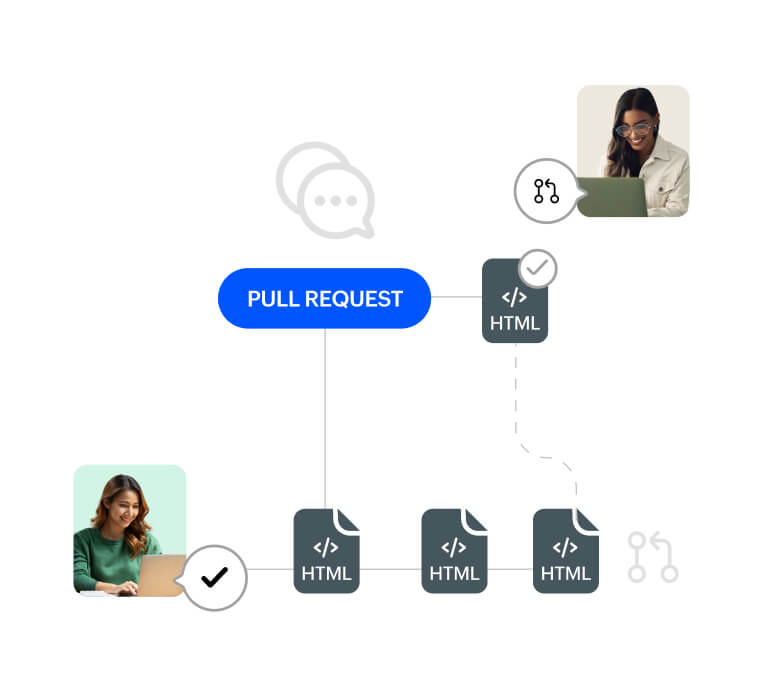
What began as a buzzword is now a serious strategy. Hyper-automation involves multiple technologies like RPA, no-code apps, AI, and APIs working together. This approach helps organizations move faster and smarter. In most industries, standalone automations are fading out. Orchestration is the new baseline.

3. Human-in-the-loop (HITL) automation
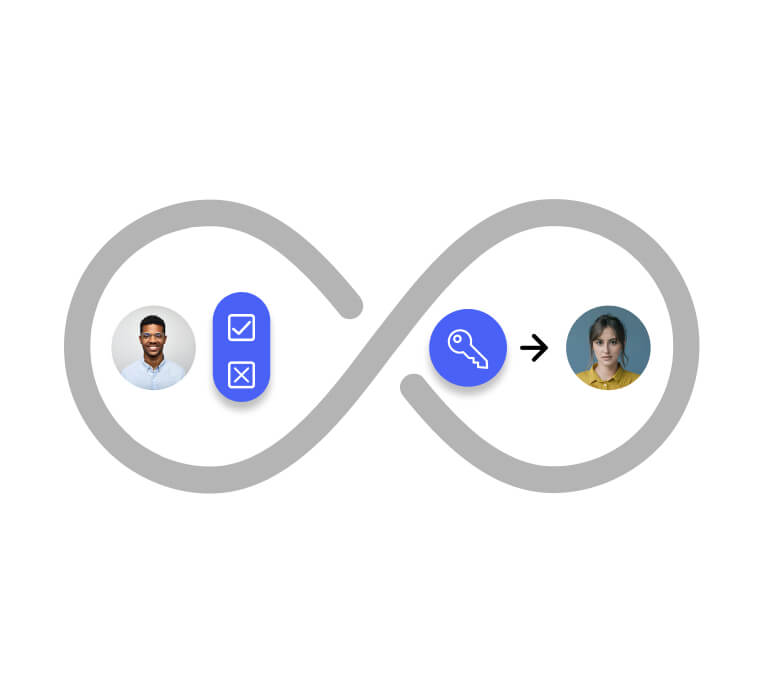
HITL workflows blend automation with human involvement. When bots encounter uncertain situations, they escalate the responsibility of deciding on them to humans. This ensures accuracy and accountability, especially in sensitive areas—like compliance and customer service.
4. Autonomous workflows powered by IoT
IoT-connected devices, like smart sensors and wearables, are now driving automation. They trigger real-time processes based on data from the environment or user activity.

5. Automation gets data-smart
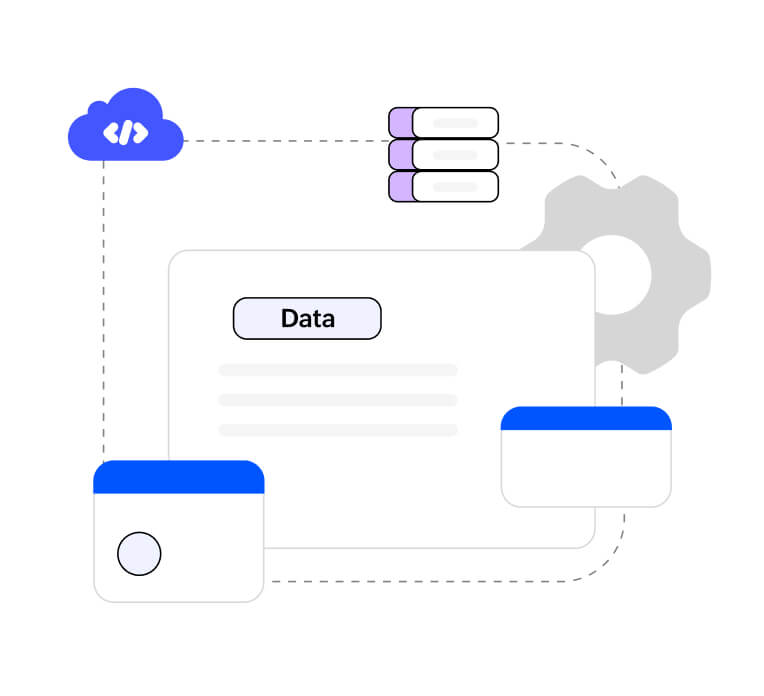
It’s not enough to push data around anymore. Workflows are now designed to read data, spot trends, catch anomalies, and take action instantly. This isn’t just nice-to-have; it’s becoming essential for companies trying to compete in real-time markets.
Workflow automation across industries
Workflow automation is also revolutionizing industries across the board. Here’s how it’s transforming key sectors:
Self-healing systems detect failures and trigger instant fixes.
DevOps pipelines are increasingly automated, from testing to deployment.
Security workflows adapt dynamically to new types of threats without manual rule updates.
Journey mapping automation reacts to real-time customer behavior across channels.
Campaign orchestration fine-tunes messages not just by segment, but by individual action—instantly.
Patient intake processes are nearly fully online, customized to individual needs.
Regulatory compliance workflows automatically flag risks and create audit-ready records.
Fraud detection automations monitor thousands of data points in real time for early detection of fraudulent activities.
Automated reporting tools cut audit prep time in half—or more.
How workflow automation re-shapes businesses
In 2026, workflow automation will be mission-critical for enterprise success. Here’s how it transforms operations:
Unlocks human potential by freeing up talent for creative, strategic, and high-value work
Reduces operational waste and minimizes repetitive overhead through intelligent automation of processes
Accelerates decision-making with real-time data flows and automated insights
Strengthens collaboration across teams, even remotely
Enhances compliance and governance through automatic, auditable record-keeping
Enables cost-effective growth, helping businesses scale without adding linear cost or complexity
Transforms customer service from reactive support to proactive engagement
Lays the groundwork for digital transformation by creating adaptive, future-ready operations
Future of workflow automation
The future is autonomous. As enterprises embrace both hybrid and in-office work models, workflows must:
Self-correct, adapt, and evolve with minimal human input
Anticipate business needs
Respond intelligently to real-time changes
Organizations that embrace this approach will boost agility, streamline operations, and become more resilient in the face of dynamic business environments.
Automate workflows with ManageEngine AppCreator
ManageEngine AppCreator is a workflow automation platform designed to help enterprises streamline their processes. It allows to build, launch, and refine business apps and workflows efficiently—without getting bogged down by complex coding or waiting on lengthy IT development cycles.
What sets AppCreator apart?
Unified development + automation
Go from idea to execution in one place—design apps, automate workflows, and deploy instantly without switching.
Zero heavy-lifting
Complex business logic, dynamic workflows, approvals—all without drowning in technical setup.
Mobile SDK capability
AppCreator’s mobile SDK and UI kit helps you build native apps for iOS and Android for your enterprise platform.
Built-in insights
Track performance, spot bottlenecks, and fine-tune your workflows without the need for additional third-party tools.
If you’re looking for a smarter, faster way to automate your workflows—without sacrificing control or security—AppCreator is where you start.
DOWNLOAD APPCREATORFrequently Asked Questions
1. How can businesses future-proof their workflow automation strategies?
Businesses can future-proof their strategies by investing in platforms that are flexible and AI-ready. These platforms should also be designed for no-code expansion, allowing businesses to adapt as their needs change.
2. What industries are adopting AI-driven workflow automation the fastest?
The industries seeing the fastest adoption of AI-driven workflow automation are IT, finance, healthcare, and retail. AI-driven workflows are becoming the core of daily operations in these sectors.
3. What are the benefits of SaaS-based workflow automation?
SaaS-based workflow automation offers faster deployments and easier updates. It also provides lower costs and the flexibility to scale without heavy upfront investments.
4. What are adaptive workflows, and why are they the next big trend?
Adaptive workflows automatically shift based on real-time events. This makes businesses faster, smarter, and more resilient without the need for manual intervention.