Are AI and art in conflict with each other?
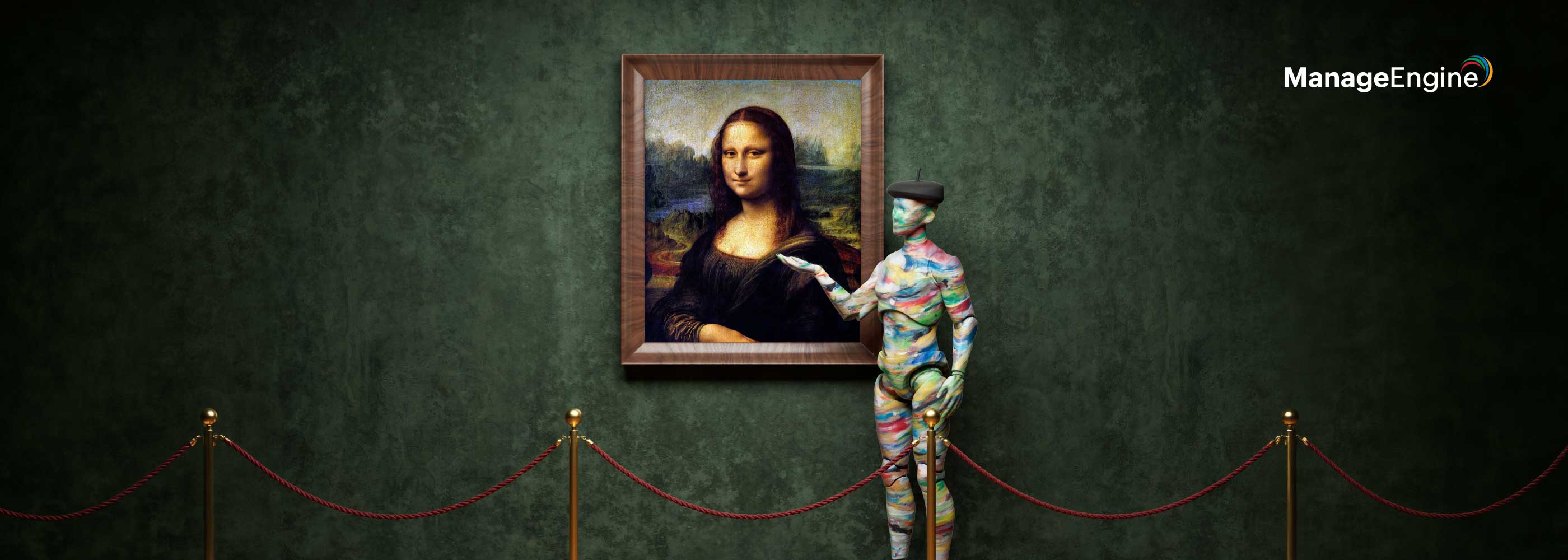
I recently heard a song that was written by a girl but sung and composed by AI. It left me confused— I'm not sure if I liked it. I was a bit prejudiced and automatically hated it because it was composed by AI. Similar to many works of AI, it had a rhythm, but it was too repetitive and lacked emotions.
This made me think about all the other forms of art that might be created by AI, and it left me with a bitter feeling.
I believe art is an expression of how we feel, and if AI can't feel anything, then it shouldn't make art.
The whole point of creating art with AI seems ridiculous to me. Imagine a world full of AI art: books, movies, and music. How cold and emotionless would that be? In my mind, I can only picture a robot dancing and singing, synchronized, perfect to a fault. But I have little to no interest in watching it, unless the creators want me to appreciate the technology marvel behind that robot.
As humans, we all connect through art; that's the reason we all flock to theaters, attend concerts, and go to comedy shows. We can connect with the artist and the community. Put AI into the mix, all these pure forms of art can become tainted with robotic output.
My aversion to AI art started when I was introduced to books written by AI. I'm an avid reader, so when I learned about books composed by AI, it shook my world. It meant that I couldn't read books that were fully written by a human anymore.
I have heard that certain movie directors are against using CGI and I have always scoffed at that idea. If you have an easier route to make movies, why not use it? Why torture the entire cast and crew to make the movie look more realistic by filming in remote locations, or building elaborate sets instead of just shooting in front of a green screen? What is the point when the audience can't feel or see the difference between a CGI and an on-location shot?
But then I understood that CGI is similar to AI; the director's refusal to use CGI made me respect him and his craft more. We need some people like him, if not all.
Don't get me wrong, I'm all for AI content creation. In fact, I write blogs like these all the time and use AI for research and tweaking my content. But this is not art.
My distaste for AI content creation is only limited to real art. Tech blogs, guides, e-books, demo videos, social media content can benefit from AI assistance. Using AI for corporate work is different, and should be encouraged. As for art, I don't think so. That's where we should draw the line.
I know that it's not easy to tell an artist to refrain from AI use or limit ourselves from consuming art generated by AI. I don't know what the future holds for us, but I'm trying to look for the light at the end of the tunnel.
I'm sure everyone lost their minds when the internet was first introduced: Movies and songs were readily available on the internet, AutoTune became popular, EDM was a new genre of music, and undetected plagiarism was a threat. When we came up with a solution, we started copyrighting art.
Over time, people have changed their minds about technology and art. Auto tune wasn't appreciated by everyone at first, but some people grew to like it. EDM as a music genre became very popular.
Hopefully, AI pushes studios, producers, and art establishments to come up with more stringent guardrails for AI-generated art so it doesn't completely erode human emotions.
We have gone through so many changes as humanity, from the Industrial Revolution to digital transformation, and we have always found a way to connect to art authentically. That intent is enough to steer ourselves in the right direction.
An Australian artist and visual art educator, Adrian Elmer, once said, “Art is when a human tells another human what it is to be human.”
It's time we ponder on that.