The case against the internet's most optimistic button
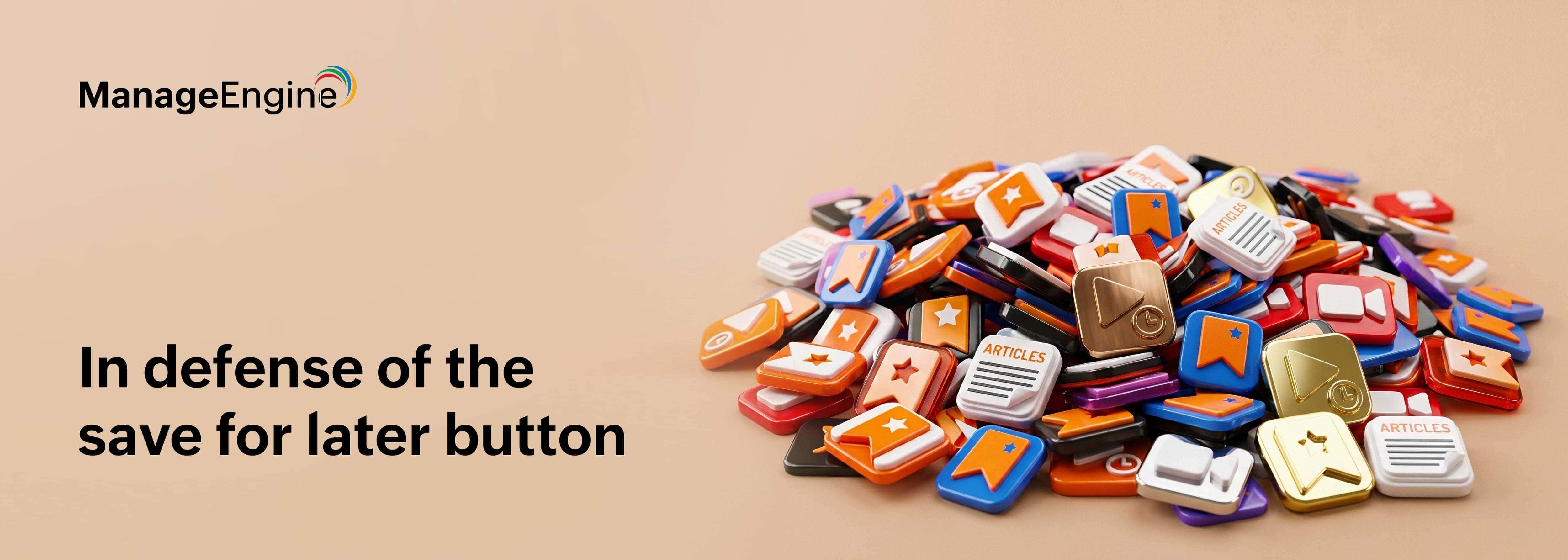 The save for later button has quietly developed a bad reputation.
It is associated with every overflowing bookmarks folder, every article we'll "definitely read this weekend", and every YouTube playlist titled Watch Later that's slowly turning into a historical archive. Somehow, the blame always lands on the same little button.
It's become the internet's favorite accomplice for procrastination.
I'd like to offer a defense.
The internet has introduced us to some extraordinary inventions over the years. Search engines helped get our questions answered in seconds. GPS rescued us from having to neatly fold cumbersome printed maps. Yet for all the revolutionary technology we've built, I can't help thinking one of the most fascinating inventions is a button that simply says...
Save.
On the surface, it doesn't look like much. It sits beneath articles, beside recipes, underneath YouTube videos, LinkedIn posts and Instagram Reels, asking for almost nothing except a tiny leap of faith.
"Not now... but definitely later."
Every time we tap it, we're making an oddly specific prediction about the future. Apparently, next week's version of ourselves is finally going to read that 36-page report on cloud migration, understand compound interest, learn to make authentic ramen, watch the documentary everyone keeps recommending, and still have enough time left over to master keyboard shortcuts.
Whoever this future person is, they've become something of a legend. They're organized, well-rested and financially responsible.
The internet, of course, encourages this optimism. It never asks, "Are you sure you'll come back?" It instead offers a simple -
Save for later.
"Later" has quietly become its own country on the internet. Every day, millions of interesting ideas pack their bags and move there, fully expecting to return.
Some eventually do.
Most become permanent residents.
Before you save the next one...
If something still excites you a month from now, it's probably worth keeping. If you've forgotten it exists entirely, perhaps the curiosity has already done what it came to do.
What's even stranger is that pressing Save feels oddly productive.
Nothing has actually changed. The article is still unread, the recipe is still uncooked, and the documentary is still asking for two uninterrupted hours of your life. Yet somehow, the moment it's safely tucked away, it stops feeling like today's problem.
That's also why deleting a bookmark feels surprisingly personal.
Deleting a bookmark shouldn't feel emotional. Yet deleting an article titled Learn Japanese in Six Months somehow feels like you've given up on an alternate version of yourself who was absolutely going to make that happen.
We're letting go of a possibility.
Open someone's bookmarks folder and you'll discover something unexpectedly personal. Not what they've read, but who they hoped to become.
It reads less like a bookmark folder and more like a vision board with Wi-Fi.
Very few people save things because they aren't interested.
Quite the opposite, most interesting things simply have impeccable timing.
A fascinating article appears five minutes before you need to attend an important meeting. A recipe requiring fourteen ingredients finds you halfway through your meal of instant noodles. A podcast recommendation shows up at 11:48 p.m., precisely when your attention span has announced it will be returning tomorrow.
The Save button exists because life has an uncanny habit of introducing fascinating ideas at thoroughly inconvenient moments.
It quietly steps in like that overly optimistic friend who volunteers you for plans three weeks from now.
"Don't worry," it says.
"Future You's calendar looks wide open."
The Save button isn't really storing articles.
It's storing optimism.
Every click says the same thing: "Perhaps not today."
Hidden inside those three words is another promise: "Maybe tomorrow."
Tomorrow won't always arrive. Some recipes will remain uncooked, some articles unread, and some documentaries will continue waiting beside dozens of others that once felt equally important.
For a button that's spent years taking the blame for our digital clutter...
I'd say the defense rests.