The hidden reason your reports don’t match
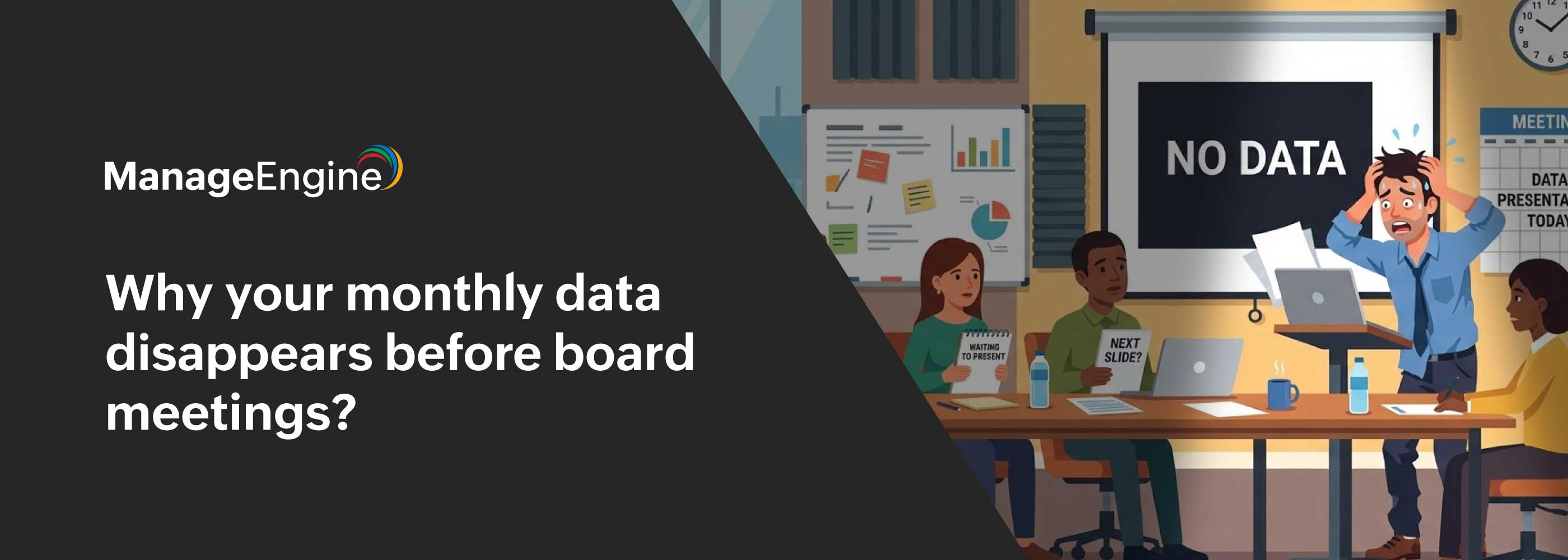
There is a quiet moment that sometimes happens right before a meeting begins.
The slides are ready. Dashboards are open. The numbers look neat on the screen.
But the revenue doesn’t match last week’s number. A trend line suddenly looks different. Someone says, "That’s strange."
And the conversation shifts. Instead of talking about strategy or growth, the room starts trying to figure out what happened to the data.
Moments like this rarely happen because someone made a mistake. More often, they happen because the reporting system underneath the numbers is fragile.
The assumption of stability
In many organizations, reporting appears reliable simply because reports arrive on time. Dashboards refresh every month, slides get prepared, and meetings continue as usual.
But producing a report is not the same as having a reliable reporting system.
Behind many dashboards is a quiet routine. Teams export data from multiple tools, sales numbers come from a CRM, service metrics from support platforms, finance data from spreadsheets—then someone pulls everything together before the meeting.
Each step works on its own. But together, they create a process that depends heavily on manual coordination.
Over time, reporting becomes less about insight and more about assembling numbers.
Fragmented data is the default state
Modern companies run on dozens of applications. Each system holds a small piece of the story—customers, support tickets, revenue, performance metrics.
Most organizations already have more data than they can use, making data collection not the problem.
The challenge is keeping all that data consistent.
When reports depend on pulling data from many different systems, teams spend a surprising amount of time reconciling numbers. Before discussing what the numbers mean, they first have to confirm whether the numbers agree.
Every report becomes a small reconstruction project, and reconstruction always leaves room for differences.
Version control and the erosion of trust
For leadership teams, the most important quality of a report isn’t visual design. It’s consistency.
If the same metric appears differently in two places, even slightly, it creates doubt. Once that doubt appears, every number begins to feel uncertain.
The idea of a "single source of truth" becomes difficult to maintain in environments where reports live across spreadsheets, dashboards, and exported files. And this happens more often than teams expect.
The missing layer: Reporting infrastructure monitoring
The situation changes when reporting is treated as a system rather than a monthly task.
Data flows from source systems into centralized pipelines. Transformation rules stay consistent. Dashboards pull numbers from the same foundation.
The result is simple but powerful: the numbers stop shifting.
And conversations finally move away from verifying data to understanding what the data actually means.
Reliable reporting is rarely about making dashboards prettier or adding more charts.
It’s about building a structure underneath the numbers strong enough that when someone refreshes a dashboard before an important meeting, nothing unexpected happens.
The numbers simply hold.
And the discussion can stay where it belongs, on the decisions that matter.