The myth of multitasking: Why doing more at once doesn't mean getting more done
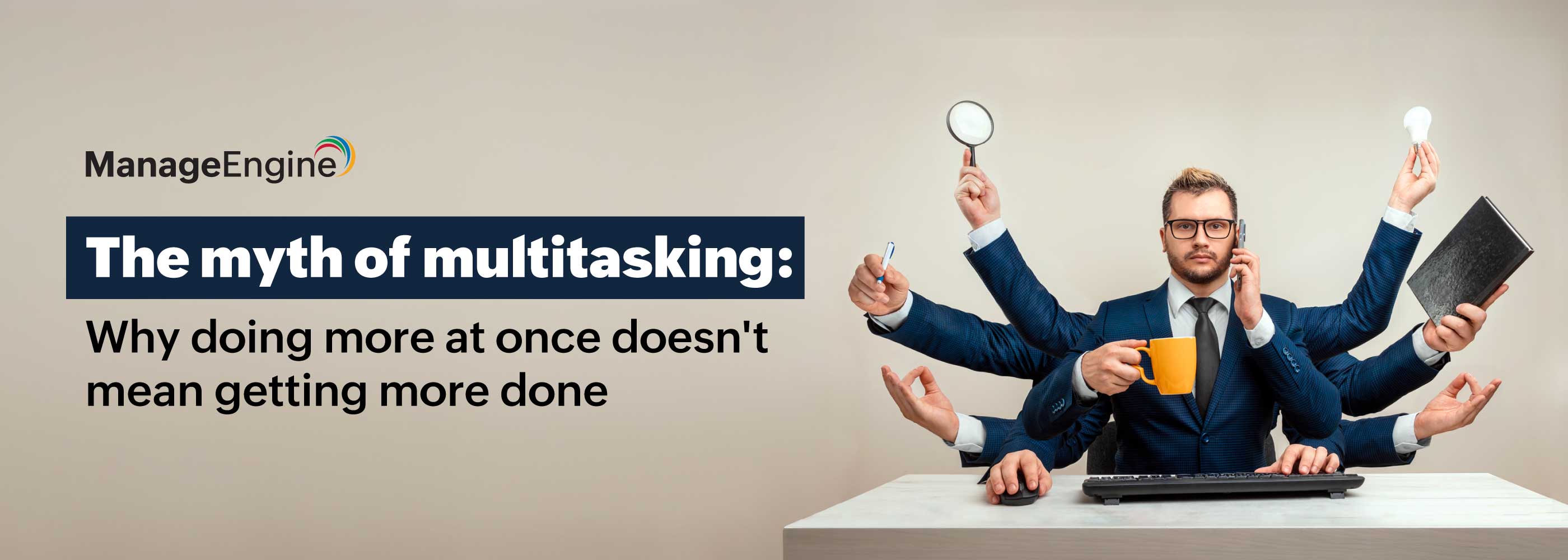
We've all done it. Answering an email while attending a meeting, checking messages while preparing a presentation, or switching between multiple tasks in an attempt to get through the day's workload. Multitasking often feels like the most efficient way to work. After all, why finish one task when you could supposedly finish three?
But there is a catch. What we perceive as multitasking is often our brain rapidly switching its attention between activities rather than performing them simultaneously. And while this may create the illusion of productivity, it doesn't always translate into better results. In fact, the constant need to juggle multiple responsibilities could be making us less productive than we realize.
The modern workplace: A constant juggling act
The modern workplace is built around constant communication. Emails, instant messaging platforms, project management tools, video conferences, and digital dashboards have made collaboration easier. However, they have also introduced a steady stream of interruptions into the working day. With information arriving from multiple channels, we often find ourselves switching between tasks before completing what we initially set out to do.
A quick response to a message or a brief glance at an email might seem insignificant. But when these interruptions repeatedly happen, they can make it increasingly difficult to maintain concentration.
Why our brains struggle with multitasking
One of the biggest misconceptions about multitasking is that our brains can seamlessly process several complex activities at once. In reality, the human brain has limited capacity for handling tasks that require conscious attention. When we switch from one activity to another, our brain needs time to disengage from the previous task and adjust to the new one. Psychologists refer to this as task-switching cost.
For example, imagine you're preparing an important presentation while responding to incoming emails. Each time an email arrives, your attention shifts away from the presentation. Once you've sent the reply, your brain has to return to the original task, remember where you left off, and rebuild your train of thought. This process may take only a few seconds, but repeating it throughout the day can affect your concentration, increase the likelihood of mistakes, and make complex work take longer.
According to the American Psychological Association, even predictable switches between tasks can slow people down compared with continuing the same activity. In other words, the problem isn't necessarily the number of tasks we have. It is the constant switching between them.
The hidden impact on productivity
Multitasking doesn't just consume time; it can also affect the quality of our work.
A 2026 systematic review of 123 research articles published in the European Review of Applied Psychology found that workplace multitasking can have both positive and negative effects on how people think, feel, and behave. The review also highlighted the role of contextual factors, personality characteristics, and personal resources in shaping these effects.
Another 2025 workplace study, Are Six Minutes of Focus Enough?, found that participants switched away from their primary task every 3.5 minutes on average. Nearly 60% of off-task time involved self-initiated interruptions.
These findings suggest an important distinction: staying busy isn't the same as being productive. Constantly shifting attention can make it harder to maintain focus and complete meaningful work.
Why do we keep multitasking despite its drawbacks?
If multitasking can be counterproductive, why has it become such a common workplace habit? Part of the answer lies in how we perceive productivity.
Completing several small tasks throughout the day can create a sense of accomplishment. Responding to emails, attending meetings, and checking off minor responsibilities provide immediate feedback that we've achieved something. By comparison, spending two uninterrupted hours working on a complex assignment may feel less rewarding, even if it produces significantly more value.
There is also the pressure to remain available. In many workplaces, quick responses are associated with efficiency and commitment. We may feel compelled to respond to every notification immediately, even when it interrupts more important work.
Over time, this creates a cycle where being constantly available becomes confused with being productive. The challenge, therefore, is not just individual concentration. It is also our workplace culture and expectations that encourage continuous task-switching.
Rethinking the way we work
Eliminating multitasking entirely may not be realistic. Most professional roles involve managing different responsibilities, responding to unexpected requests, and collaborating with others.
However, organizations and individuals can make small changes to reduce unnecessary interruptions and create better conditions for focused work.
1. Prioritize tasks instead of juggling everything
Not every task requires immediate attention. Identify the most important responsibilities and allocate dedicated time to them to help you avoid constantly switching between activities.
2. Create uninterrupted focus periods
Setting aside specific periods for concentrated work can make a significant difference. During these periods, mute non-essential notifications and avoid unnecessary meetings.
3. Group similar activities together
Instead of checking emails every few minutes, dedicate specific periods to responding to messages, reviewing updates, and completing administrative work. Grouping similar tasks reduces the need to repeatedly shift between different types of thinking.
4. Rethink workplace communication
Leaders should examine whether every message needs an immediate response and whether every discussion requires a meeting. Clearly communicated expectations can reduce unnecessary interruptions without affecting collaboration.
5. Measure outcomes, not activity
The number of emails answered, meetings attended, or tasks opened is not necessarily an accurate measure of productivity. Leaders should place greater emphasis on the quality of work, meaningful outcomes, and the completion of important objectives.
Closing thoughts: Doing less at once is the way forward
Multitasking has become almost synonymous with efficiency. We admire people who can manage several responsibilities simultaneously and often consider a packed schedule a sign of productivity. But perhaps it is time to reconsider that assumption.
Technology has made it easier than ever to stay connected, access information, and manage multiple responsibilities. Yet the ability to do more things at once does not automatically mean we are doing them better. The real productivity advantage may lie in knowing when to disconnect from distractions, focus on one task, and give it the attention it deserves. After all, getting more done isn't always about doing more things. Sometimes, it is about giving fewer things our full attention.