Top tips: Cyber hygiene habits you can build this week
Top tips is a weekly column where we highlight what’s trending in the tech world today and list ways to explore these trends. This week, we’re breaking down the simple cyber hygiene habits that can make your digital life safer, calmer, and far easier to manage.
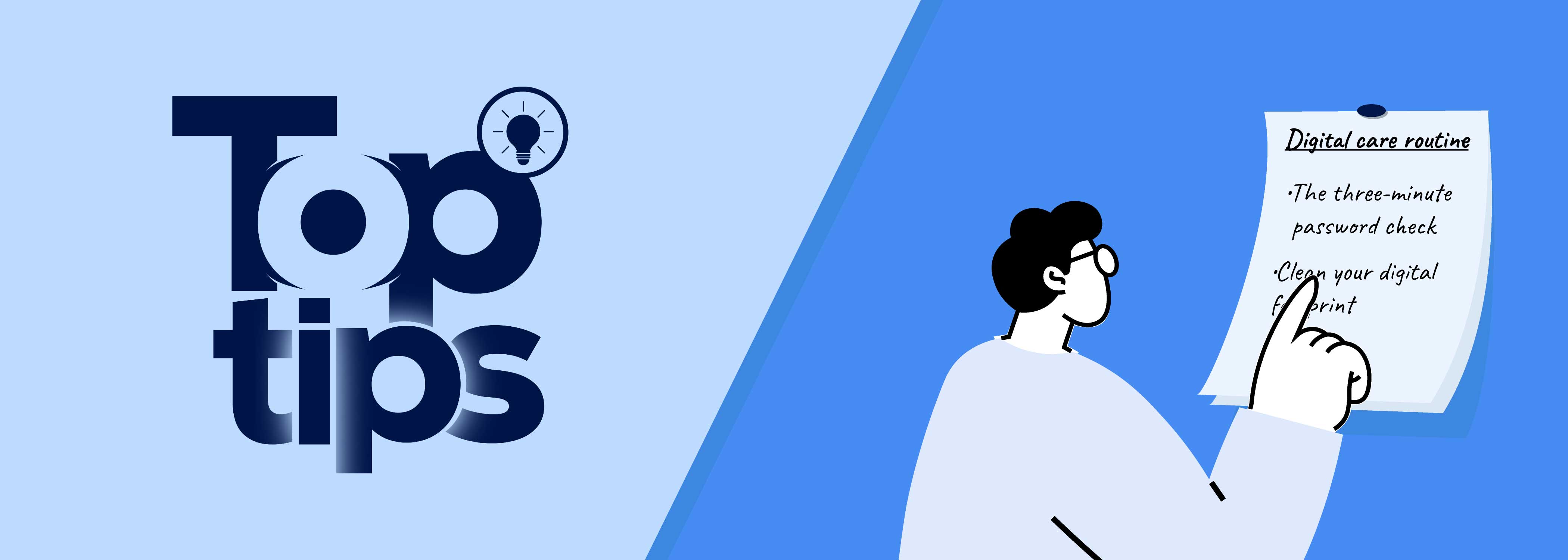
If digital life had a skincare routine, most of us would be walking around with unwashed faces and expired sunscreen.
We skim through apps, juggle logins, and sprint between alerts, and somewhere along the way, security slips into the I’ll-do-it-later category. Cybersecurity sounds intimidating, but most threats don’t require a technical background to handle. All you really need is a handful of small, intentional habits that quietly protect you in the background.
Here are five you can start this week!
1. The three-minute password check
Passwords are the laundry of the internet. Everyone has them, nobody likes dealing with them, and procrastinating just makes the pile grow larger. We reuse passwords, tweak them, add “123” to the end… and hope for the best. But when one weak password gets leaked, everything connected to it becomes vulnerable.
A quick weekly password check can prevent that chain reaction. Spend three minutes reviewing your most important accounts—email, banking, cloud storage—and make sure they each have a strong, unique password. Think of it like having unique locks on each door in your house instead of using a single key that opens everything. A password manager can help if you’re tired of remembering them all.
2. What to do the second you suspect phishing
Phishing isn’t just bad grammar and obvious scams anymore. Sometimes it looks exactly like a message from your colleague or your bank. The key is to develop scrutiny as a reflex, similar to how you instinctively hit the brakes when something jumps onto the road.
The moment an email or message feels off, pause.
Don’t click. Don’t reply. Don’t download anything.
Instead, verify the sender through another channel; call the person, open the official website directly, or check with your IT team. That five-second pause is often the thin line between staying safe and realizing, “Oops, I just clicked something I shouldn’t have.”
3. Clean your digital footprint
We all have a collection of digital leftovers, old accounts, forgotten trial apps, random websites we logged into once at 1am for a discount code. These forgotten corners often hold old data that can be misused.
Spend a few minutes clearing the clutter:
• Delete accounts you no longer need.
• Revoke app permissions.
• Remove saved cards from sites you don’t trust.
4. The easiest MFA upgrade you can make
Multi-factor authentication (MFA) has a reputation for being complicated, but the simplest versions take under a minute to set up and can block the majority of common attacks. If you’re still relying on SMS codes, switch to an authenticator app. It’s safer, quicker, and way harder for anyone else to breach. It may seem like a minor step, but it’s a critical one.
Building your digital care routine
Cybersecurity is all about paying attention to the small corners of your online life before they start collecting dust. A handful of simple habits done consistently can protect everything you rely on. So, start small and build a digital routine that makes your online world feel lighter, safer, and far more in your control.