Top tips: Not all your thoughts are yours; here’s what to do about it
Top tips is a weekly column where we highlight what’s trending in the tech world and share ways to stay ahead. This week, let's look at a few ways you can make your thoughts your own in this era of information overload.
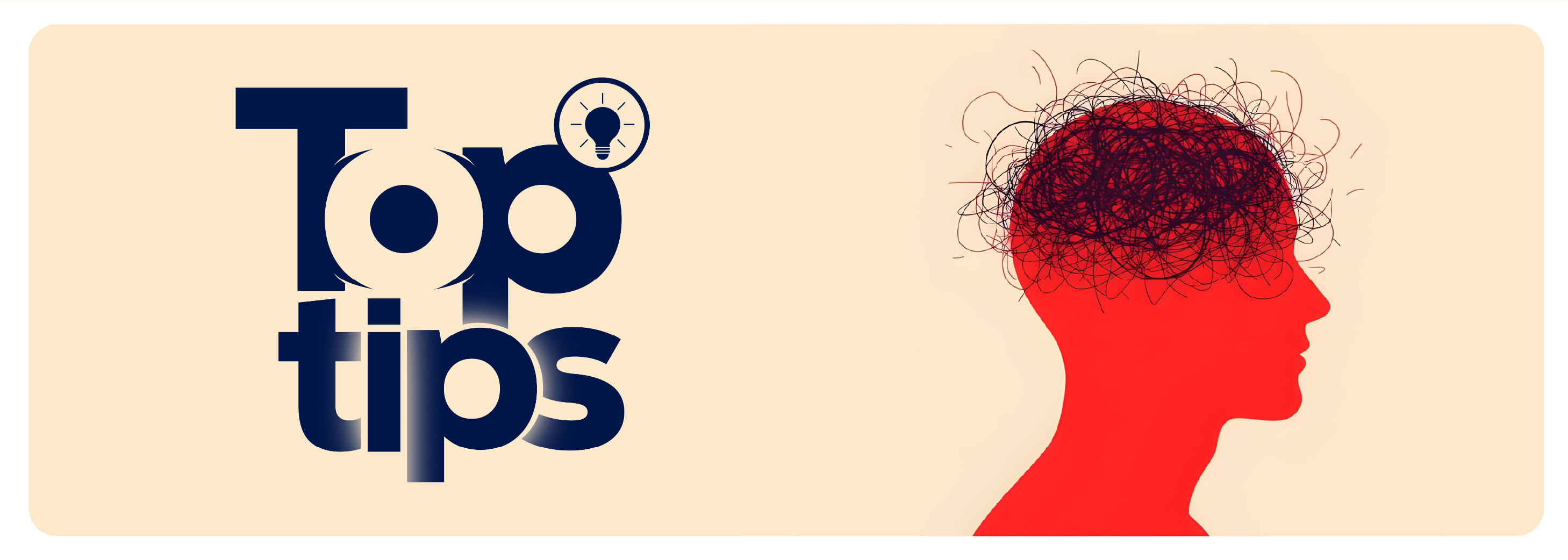
Have you noticed how you think about life decisions, current affairs, and spending patterns? Why do you think a certain way? Is it your upbringing, the media, or the internet?
Sometimes, I wonder about my thoughts. Are they truly my own, or am I wired to think a certain way because of content creators on the internet? It's tough to know—and sometimes, I don't care to. But then other times, when I'm on the internet, I feel something nagging at me, wondering what's real and what's not. What's a paid promotion and what's a suggestion.
I understand you may think that way too.
The key differentiator? Self-awareness.
Some people don't realize they're fed information for them to think a certain way and—it gets murkier—think nothing has truly influenced their thoughts. In today's internet era, anyone can fall under this bracket without knowing it. The way out is to form habits that help us have original opinions on what to buy, believe, and act on.
In this blog, we cover three solid tips to start making our thoughts our own.
1. No doomscrolling; consume long-form content
It's scary that we consume most of our news from short-form content: Instagram reels, YouTube Shorts, and TikTok videos. The problem is, when we consume short-form content, we form biased opinions and habits based on the bits and pieces that are fed to us.
Even consuming long-form video content is better. Whether a documentary or a long YouTube video, these forms of information consumption provide greater opportunity to slow down, listen carefully, and stretch our attention spans to consider what we really agree or disagree with.
Another reality is that the algorithm used behind any video recommendation is so strong that when you start watching something, the next several videos in your feed are similar. This happens with both short-form and long-form content, but can be worse with short-form due to its already higher engagement.
Simply put, the more we scroll, the more our algorithms adjust the content we receive, even if slightly. For example, even small changes to X’s For You feed can quickly influence political views. Studies show that just one week of seeing more political content can shift opinions in a way that used to take years. It's crazy how powerful these feeds are in shaping what we think, often without us noticing.
For good reason, we see more people suggesting reading these days. Whether with a book, magazine article, blog post, piece of investigative journalism, white paper, or trend report, taking our eyes away from our screens can widen our perspectives on current affairs, products we "need" to buy, and habits we harbor.
2. There are two sides to a coin and two sides to an opinion
We're all influenced in some way or the other. We're influenced by our parents, our friends, the people we work with, society, the media we consume, and so much more.
Now, to gain a wider perspective, it's always nice to look at the other side of our beliefs. Let's say you prefer PlayStation over Xbox. To gain a wider perspective, get to know why people like Xbox instead of PlayStation. Don't just blindly go with what influencers are saying or how the brand is marketing the product. What appeals to those on the other side? Is it the features, the brand, the marketing message? When you do that, you might not only better understand where you stand, but what matters to other people.
But if you firmly trust what you believe and don't try to make yourself understand the opposite narrative, chances are what you see and hear are also heavily influenced—even amplified—by an algorithm.
The downside? You might make purchases you don't need, make decisions you regret later, or worse, not know which side you’d choose if you understood both.
3. Reduce the noise
With the amount of information coming our way, we rarely get the time to reflect. Typically, we're brain-fogged and overly concerned with loads of information—the good, bad, and ugly.
I’m used to constant noise from persistent notifications, my TV turned on in the background, and the incessant blaring of horns in traffic—so, silence feels unfamiliar. But I’m trying to embrace it and listen to my own thoughts.
Habits like meditation can improve your resistance to silence, while journaling can be a way to know and understand your thoughts in a deeper way. When you're in the cycle of information overload and avoid your thoughts, more often than not, you're stuck in a herd mentality.
Breaking off habits like using social media when you get time off from work or finding ways to "fill time" by consuming information allows you to hear your inner voice better. With a clear inner voice, you're more likely to make decisions you're proud of, simply because you listened to yourself—your intuition, your thoughts, and not an influencer or an internet video.
You are what you consume
Gaining perspective in this era of information overload is essential for living a balanced life, internally and externally. Brands and corporations use a lot of methods and algorithms to make us think a certain way that's beneficial to their business.
Often we don't realize this or understand the intent behind a promotional reel disguised as a suggestion or a news article sponsored by a brand. But when we get to know what's going on behind the scenes, we can take a step back and incorporate some measures to step outside the bubble of influence.
The tips in this blog just touch the surface of ways to keep aware of our thoughts and what influences them, but a lot more can be done. If you have any tips, add them in the comments below!