Endpoint Security For Dummies® - 20th Anniversary Special Edition

GET YOUR COPY

See how Endpoint Central fortifies your enterprise against evolving threats

settings

Proactive threat prevention

Block ransomware, malware, and zero-day exploits before they reach your endpoints. Leverage behavioural detection, AI engines, and real-time threat intelligence to stay ahead of evolving threats.

settings

Reactive breach response

Detect and respond to active threats with precision. From automated remediation scripts to forensic analysis and endpoint isolation, contain damage swiftly and restore endpoint integrity without downtime.

settings

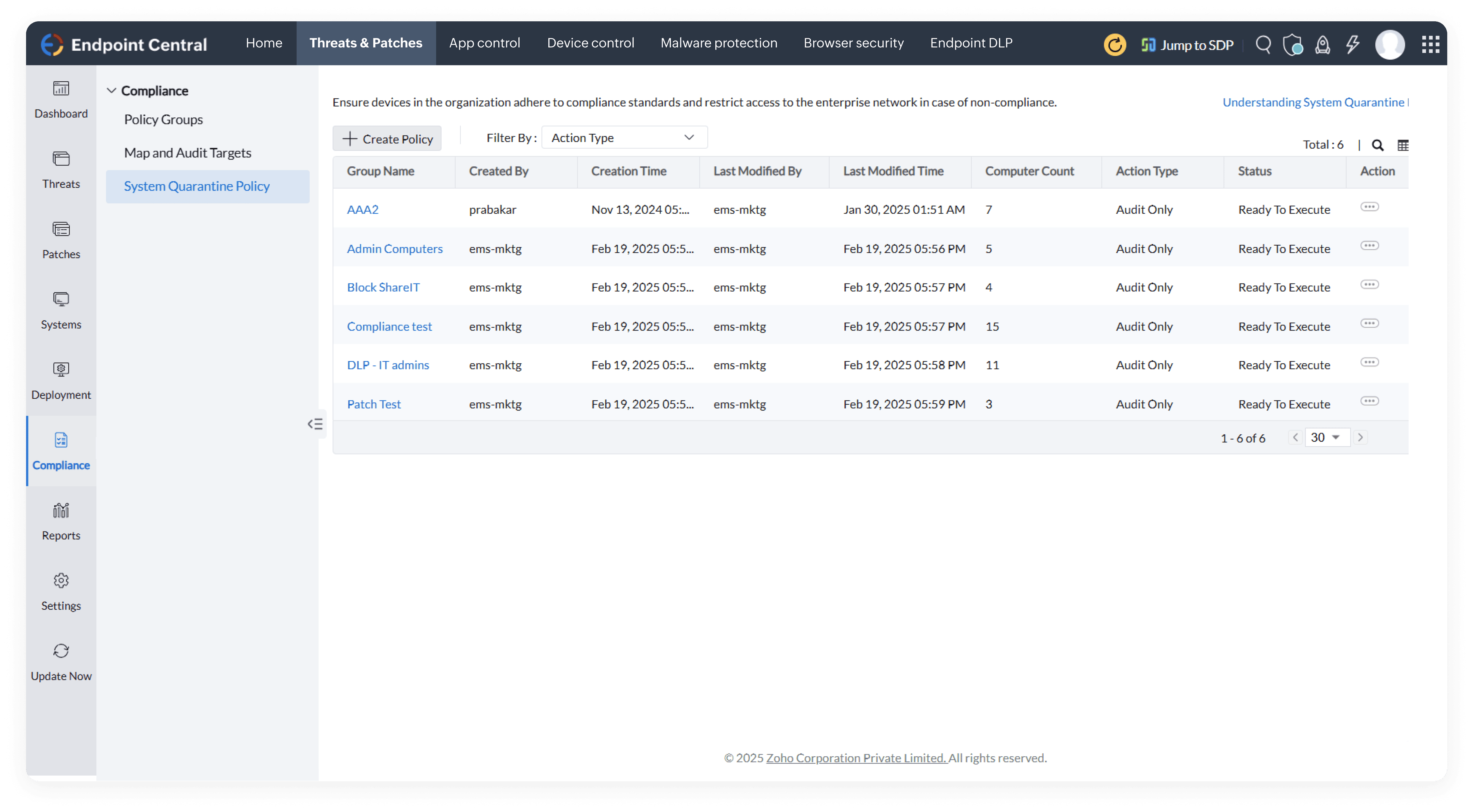
Enterprise-grade compliance

Ensure continuous compliance with frameworks like PCI-DSS, HIPAA, and GDPR. Enforce encryption, control data access, and prevent sensitive data leaks with built-in DLP and audit-ready reporting.

settings

Attack surface hardening

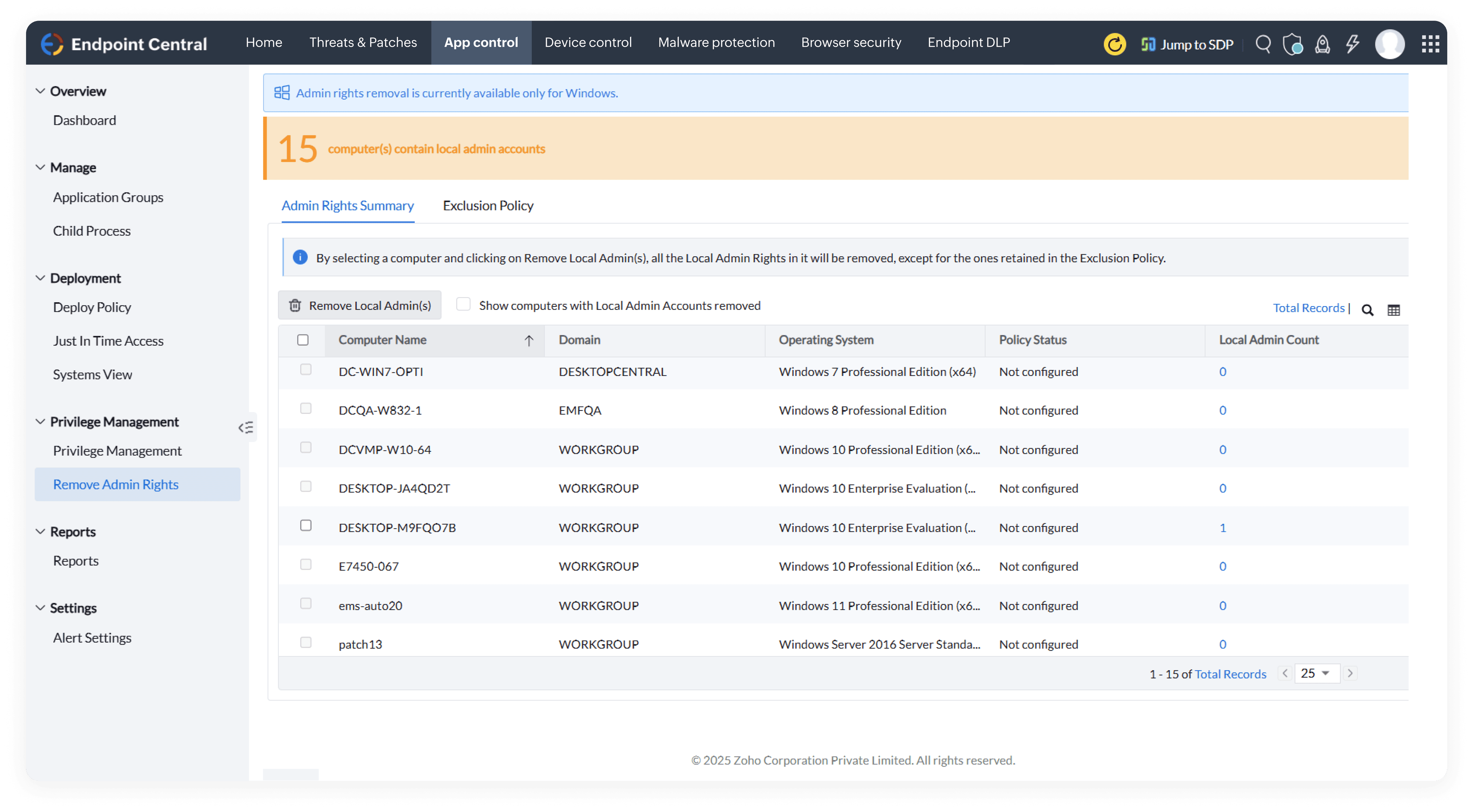
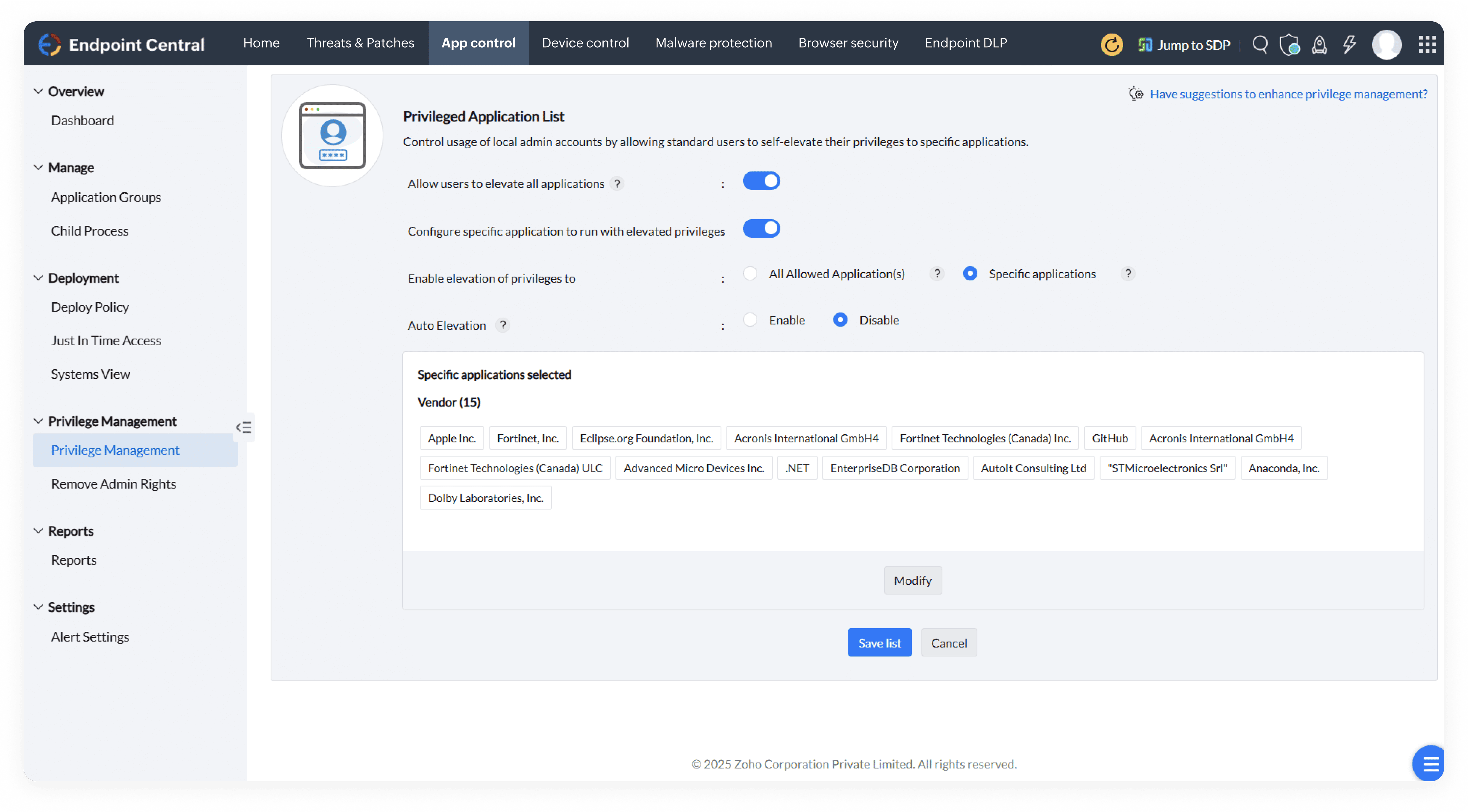
Control applications, devices, and user privileges to reduce exploit opportunities. From USB lockdown to application blocklisting, harden every endpoint to minimize breach potential.

settings

Instant threat containment

When a breach is detected, speed is critical. Instantly isolate compromised endpoints from the network, kill malicious processes, and stop threats before they spread laterally.

settings

Continuous posture assessment

Go beyond static security. Monitor device compliance in real time, flag risky configurations, and enforce security baselines—keeping every endpoint healthy and compliant.

Explore proactive & reactive endpoint defense

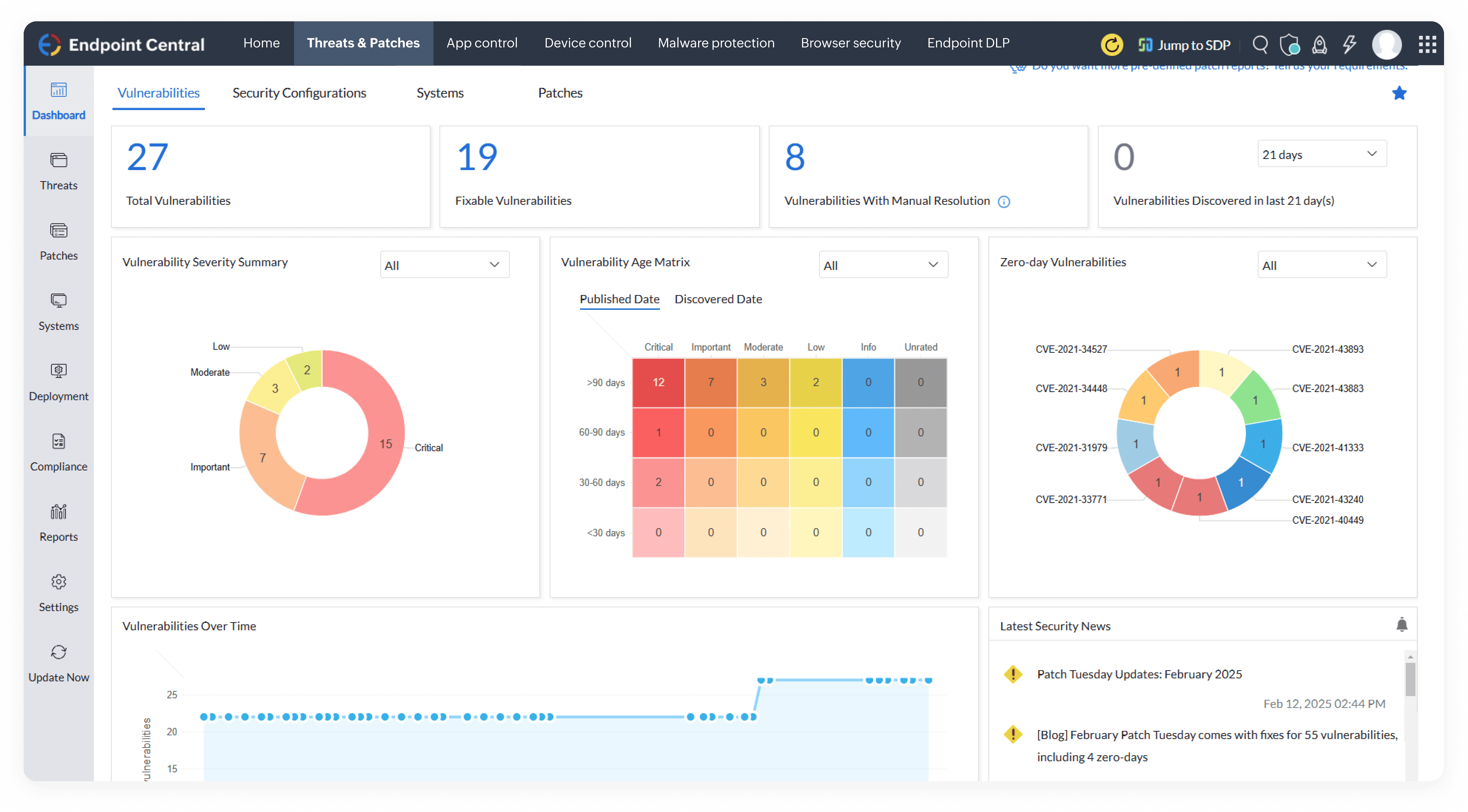
Continuously scan for known CVEs and misconfigurations. By identifying weaknesses early, you can patch exploitable flaws before attackers find them—drastically reducing your threat surface.

gif-image
gif-image

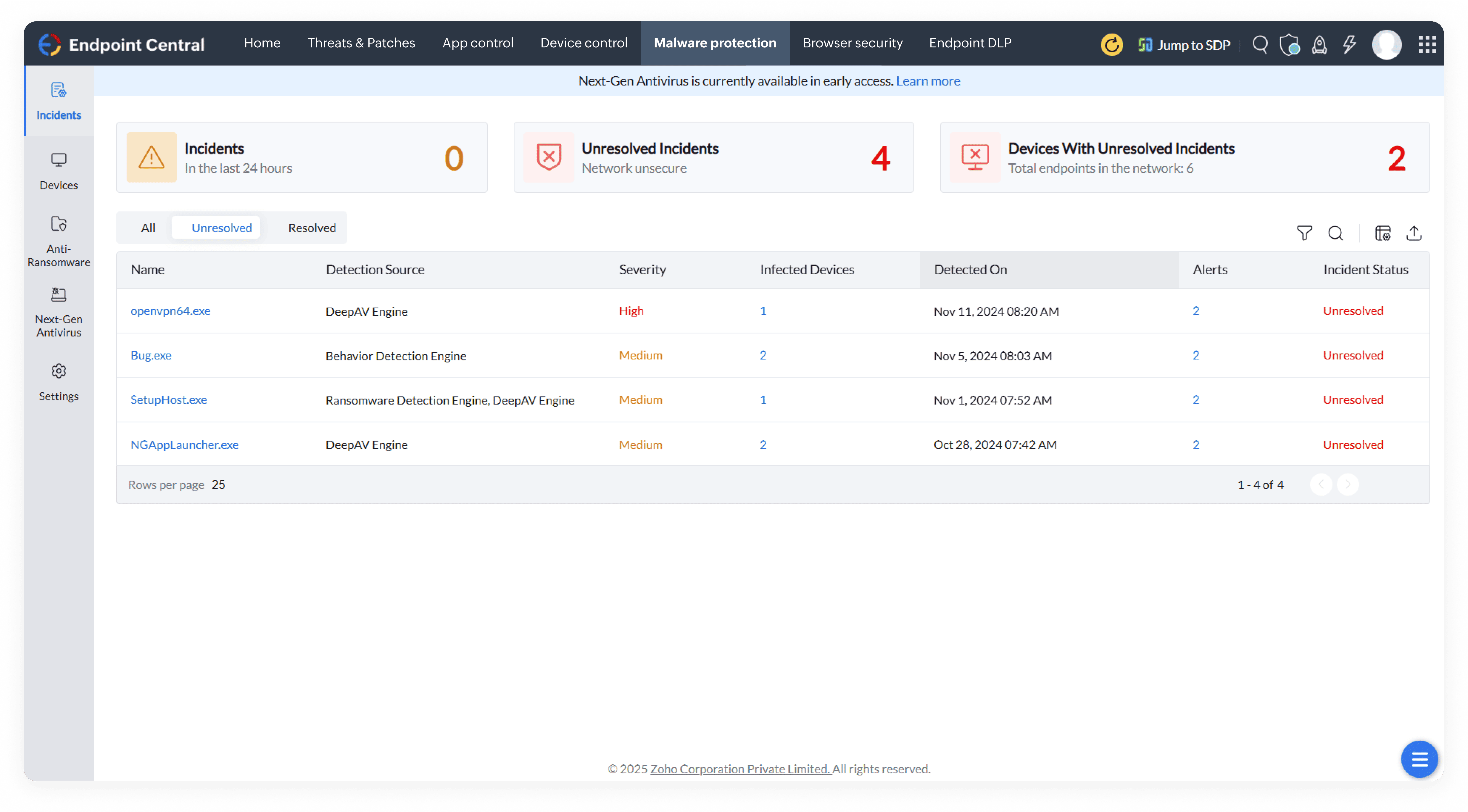
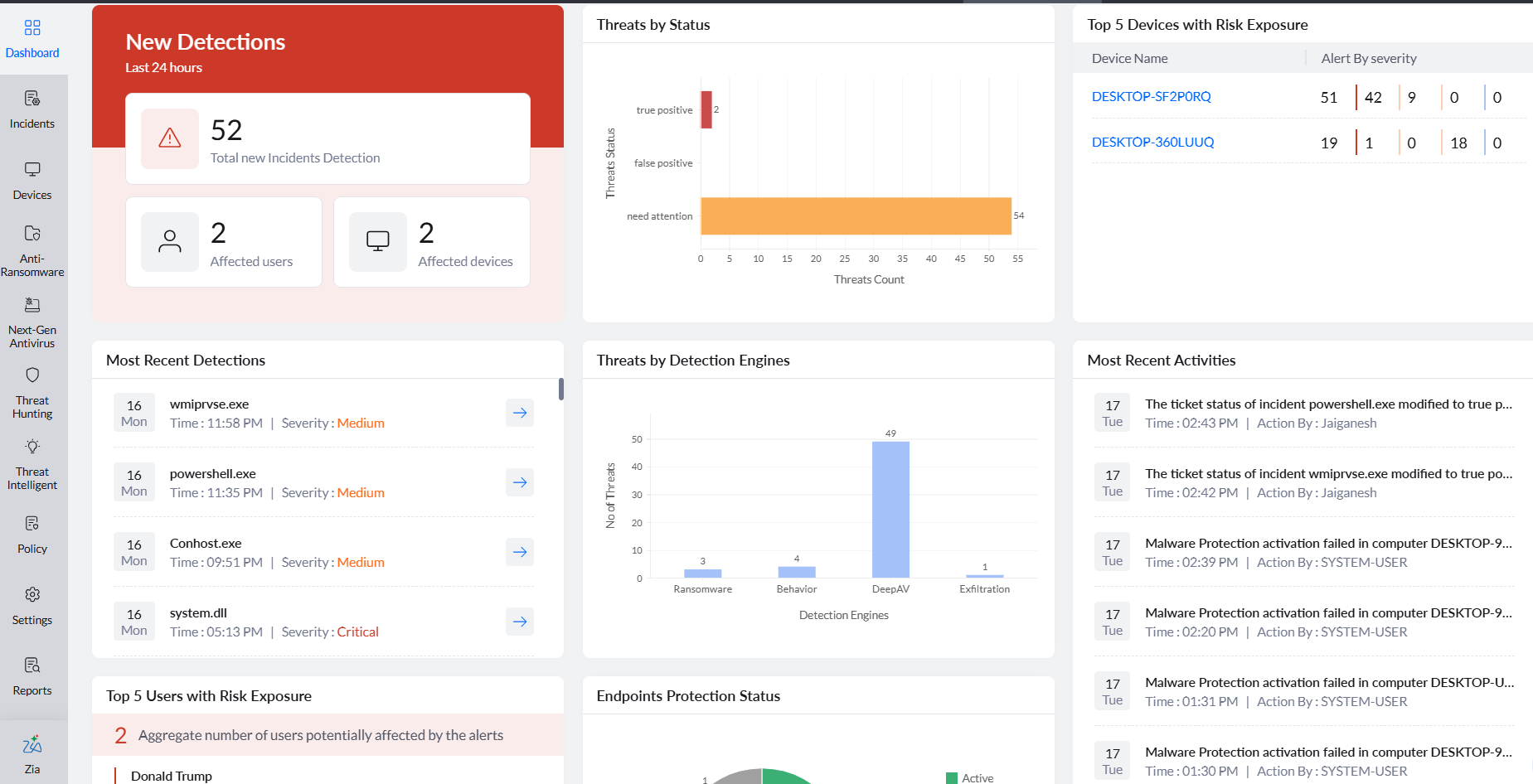
Leverage AI/ML based real-time scanning and behavioural detection to block known and unknown malware. It stops threats before they are executed, preventing infection and lateral movement.

Detects encryption behaviour and anomalous access patterns to proactively stop ransomware. Automatically isolates affected devices and prevents mass file encryption.

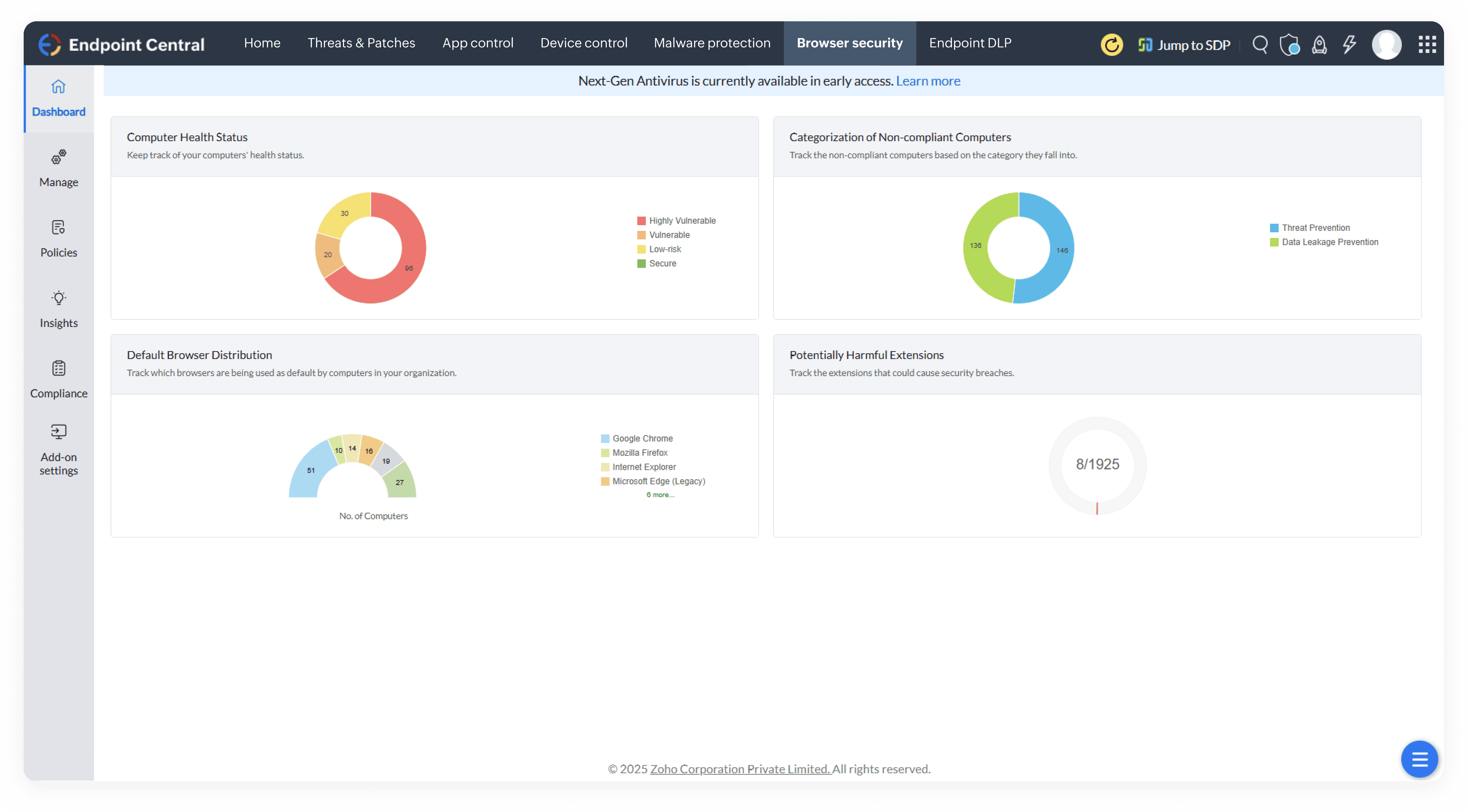
Enforce safe browsing policies and control browser extensions. Block access to phishing sites, prevent credential theft, and stop risky downloads at the source.

Generate customized reports and analytics dashboards to track key performance metrics, identify trends, and make informed business decisions.

gif-image
gif-image

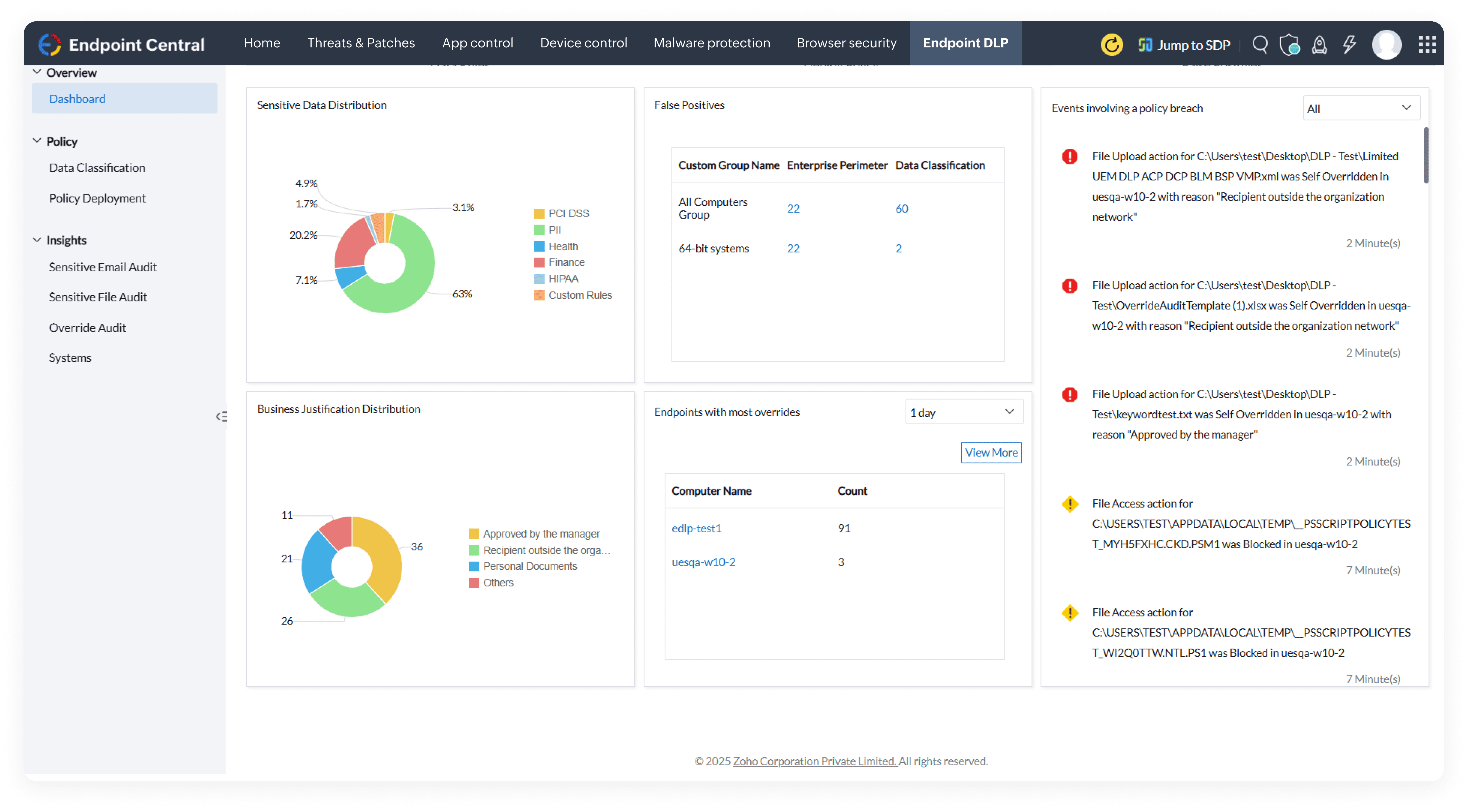
Monitor and restrict sensitive data transfers via USB, email, and cloud. Prevents accidental and malicious leaks while maintaining compliance with data protection laws.

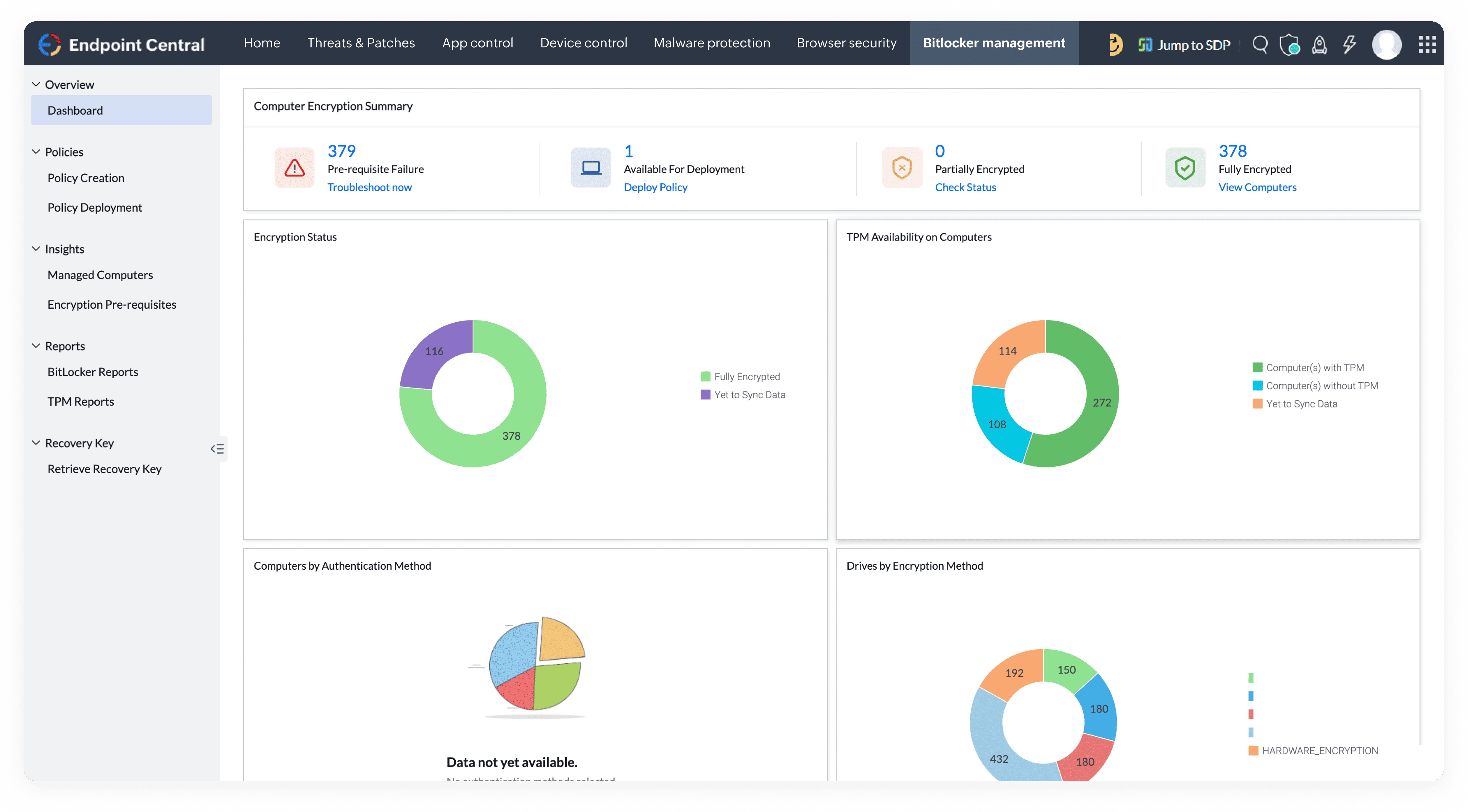
Centralize drive encryption enforcement and key management. This will protect sensitive data at rest, even if devices are lost or stolen.

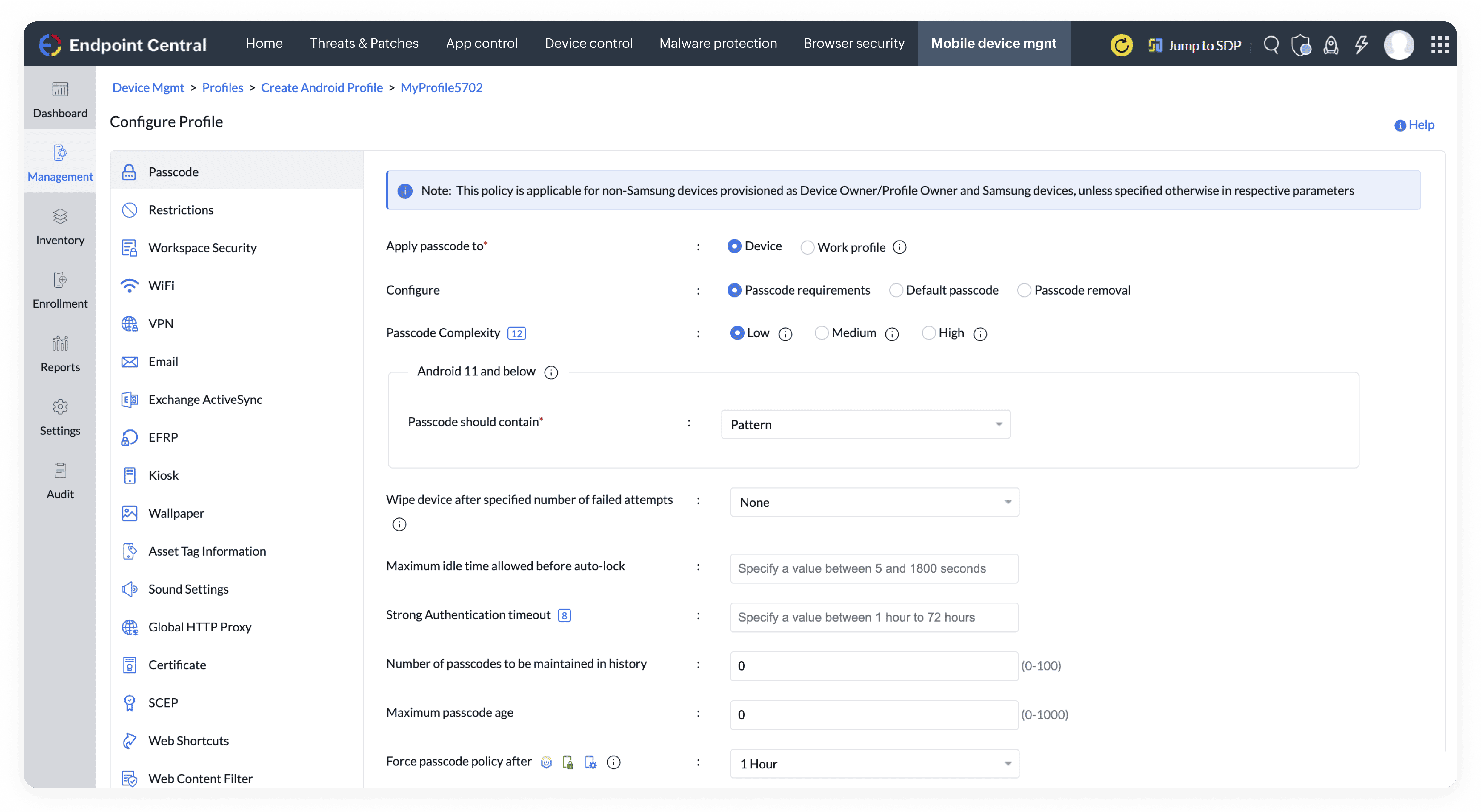
Protect business data on personal and corporate devices. Enable remote wipe, enforce BYOD policies, apply conditional access, and ensure compliance based on device location.

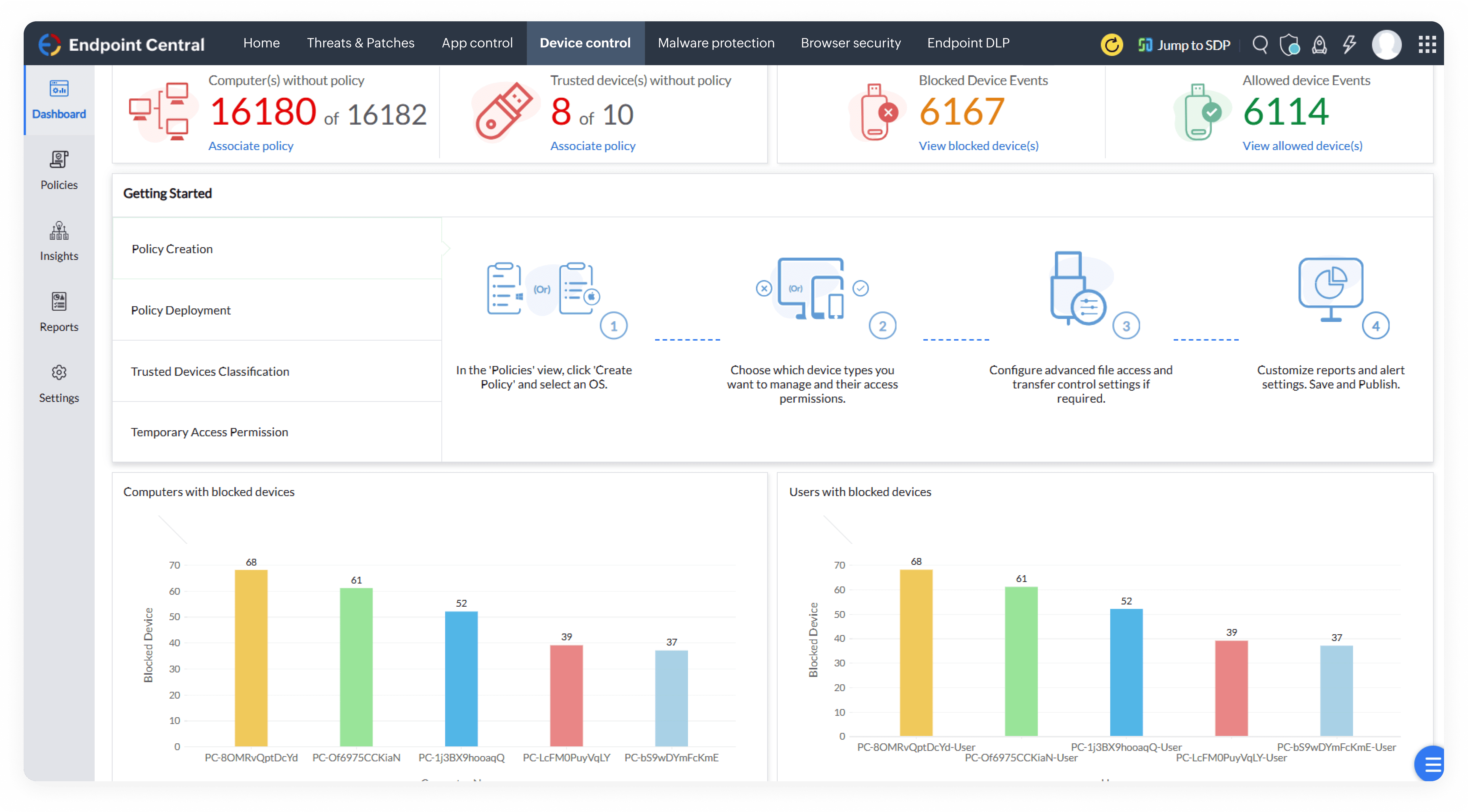
Restrict unauthorized USB and peripheral access. Apply role-based controls, monitor device usage, and prevent data leaks from external hardware.

Resources

Ready for a change? Try Endpoint Central.

Experience cloud-driven growth with 250 free endpoint licenses for 1 year!

Hurry up, offer expires on Oct. 31,2024

Simplify operations, boost your ROI, and maange clients seamlessly.

SIGNUP NOW
faq

Frequently Asked Questions

01. Why is an endpoint security solution important for organizations?

+ -

It protects all endpoints from cyberattacks, safeguards sensitive data, and ensures compliance across remote and hybrid work environments. Modern endpoint security solutions centralise visibility, apply policy-based controls, and reduce the risk from evolving threats. 

Read more

02. How to configure an endpoint security solution for remote devices?

+ -

Enroll remote devices in the console, apply security policies like device control and encryption, and monitor compliance through the centralized dashboard. This approach enables consistent security whether devices are on-site or remote. 

Read more

03. In what ways does an endpoint security solution differ from traditional antivirus software?

+ -

Endpoint security provides multi-layered protection—covering threat detection, device control, and vulnerability management—while antivirus focuses mainly on detecting known malware

Read more

04. What are the key features of an endpoint security solution?

+ -

Core features include malware protection, device and application control, vulnerability management, data loss prevention, and endpoint compliance monitoring.

Read more

05. Can I integrate my existing IT management tools with an endpoint security solution?

+ -

Yes, most endpoint security platforms integrate seamlessly with IT management tools like patch management, MDM, and asset management for unified control. This helps centralise operations and reduces tool-sprawl.

Read more
Unified Endpoint Management and Security Solution