

- Overview
- Configuration
Assembla
Secure access to Assembla with advanced MFA options enabled by ADSelfService Plus
Assembla is a project management and version control platform that offers tools for managing source code and collaboration among software development teams. By integrating Assembla with ADSelfservice Plus, enterprises can enable SSO, simplifying the login process and increasing workforce productivity.
Simplified access with SSO
Enable one-click access to Assembla, providing users with quick, secure access.
Enhanced security with advanced authentication
Implement strong security measures by enabling FIDO2 and biometrics, ensuring secure and verified access to Assembla.
Passwordless authentication for an enhanced user experience
Enable passwordless authentication to Assembla, making it easier for users to access their workspace, improving the user experience.
Configuring SAML SSO for Assembla
These steps will guide you through setting up the single sign-on functionality between ADSelfService Plus and Assembla.
Prerequisite
- Login to ADSelfService Plus as an administrator.
- Navigate to Configuration → Self-Service → Password Sync/Single Sign On → Add Application, and select Assembla from the applications displayed. Note: You can also find Assembla application that you need from the search bar located in the left pane or the alphabet wise navigation option in the right pane.
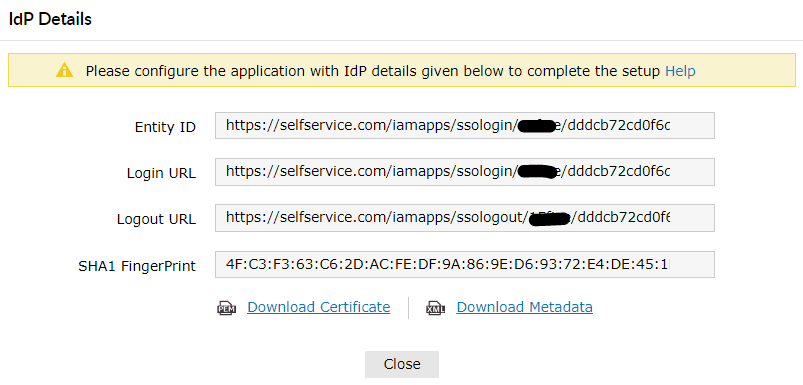
- Click IdP details in the top-right corner of the screen.
- In the pop-up that appears, note down the values of Login URL, Sha1 Fingerprint and download certificate file by clicking Download Certificate link. We will need these values in a later step.
Assembla (Service Provider) configuration steps
- Login to Assembla with an administrator’s credentials.
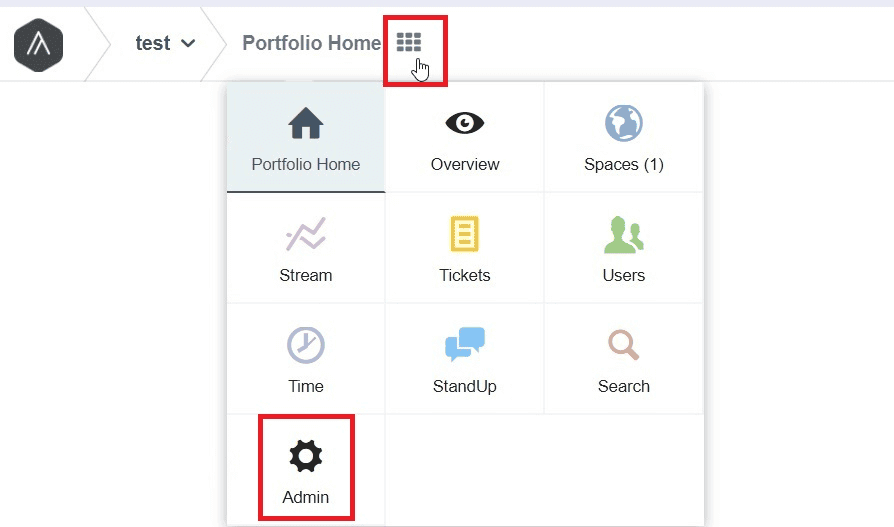
- Navigate to Menu → Admin → SAML Authentication.(https://[yourSubDomain].assembla.com/p/admin)
- In the SAML authentication section, Select the Enable SAML box.
- Paste the Login URL and Fingerprint, copied in Step 4 of Prerequisite, in the respective fields.
- Open the downloaded certificate as a text file. Copy and paste the content it in the X.509 Certificate text field.
- Click Update SAML Settings.

ADSelfService Plus (Identity Provider) configuration steps
- Now, switch to ADSelfService Plus’ Assembla configuration page
- Enter the Application Name and Description.
- In the Assign Policies field, select the policies for which SSO need to be enabled. Note: ADSelfService Plus allows you to create OU and group-based policies for your AD domains. To create a policy, go to Configuration → Self-Service → Policy Configuration → Add New Policy.
- Select Enable Single Sign-On.
- Enter the Domain Name of your Assembla account. For example, if you use johndoe@assembla.com to log in to Assembla, then assembla.com is the domain name.
- Enter the sub-domain name of your Assembla portal in the SP Identifier field. Example format: https://<sp_identifier>.assembla.com
- In the Name ID Format field, choose the format for the user login attribute value specific to the application. Note: Use Unspecified as the default option if you are unsure about the format of the login attribute value used by the application
- Click Add Application. Note: For Assembla, single sign-on is supported for SP and IDP initiated flow.