
Dropbox
Last updated on:
In this page
Overview
Dropbox is a cloud-based file storage and collaboration platform that enables users to securely store, sync, and share files across multiple devices. It provides businesses and individuals with easy access to files from anywhere, ensuring seamless collaboration and data protection.
Dropbox extension scope
The Dropbox Audit Log Monitoring Extension empowers organizations to monitor continuously and analyze Dropbox audit logs, ensuring comprehensive visibility into critical activities. By capturing and evaluating events such as user actions, access patterns, and security changes, this extension helps mitigate risks, ensure compliance, and enhance operational efficiency. It enables organizations to detect unusual login attempts, identify potential insider threats, and stay ahead of evolving security challenges.
Pre-requisites
- Before creating a connection for a pre-defined service, ensure that the corresponding integration/extension is installed in Log360 Cloud.
- Only after installing the extension, the service will appear in the Connections page for connection setup.
Audited Dropbox events
Security events
- Ransomware and admin alerts
- Authentications and sessions
- Passwords and TFA
- Encryption and key management
File and folder events
- File and folder operations
- File request and transfer events
Integrations and apps
- Integrations and apps events
Members and groups
- Invite link and add-on activity
- Member management activity
- Group management activity
Device management
- Device link and status Changes
Legal holds
- Legal hold events
Reports management
- Report management activity
Sharing
- Shared folder and content actions
- Link actions
Showcase
- Showcase management activity
Team policies
- Web session policy
- Password and TFA policy
- Sharing and smart sync policy
- Showcase and signature policy
- Member and team policy
- Third party policy
- File/folder and backup policy
- Governance policy
Team profile
- Data residency migration
- Team profile customization actions
Signatures
- Signature management Activity
Trusted teams
- Enterprise management activity
- Team merge request activity
Configuring Dropbox integration
Setting up a Dropbox account and application
- Sign in to your Dropbox account and navigate to the Dropbox Developers Console.
- Click Create New App and select Scoped Access.
- Choose Full Dropbox Access as the access type.
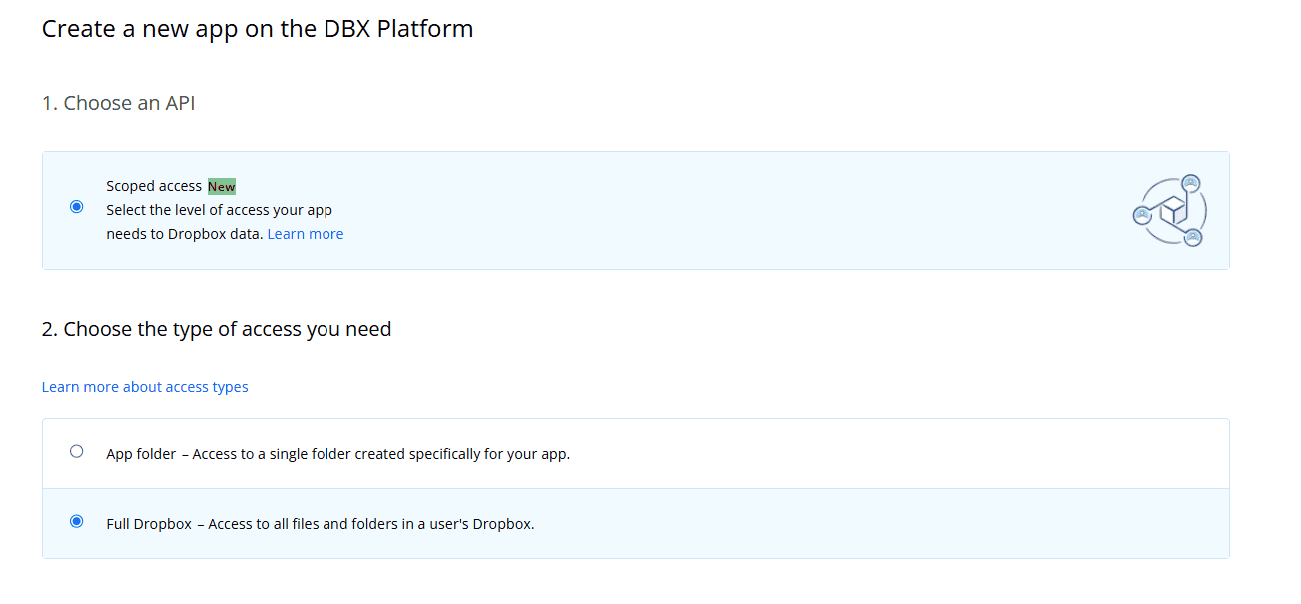
Figure 1: Selecting Full Dropbox Access - Provide a name for your app, agree to the Dropbox terms and conditions, and then click Create App.
- Once the app is created, the App Settings page will be displayed.
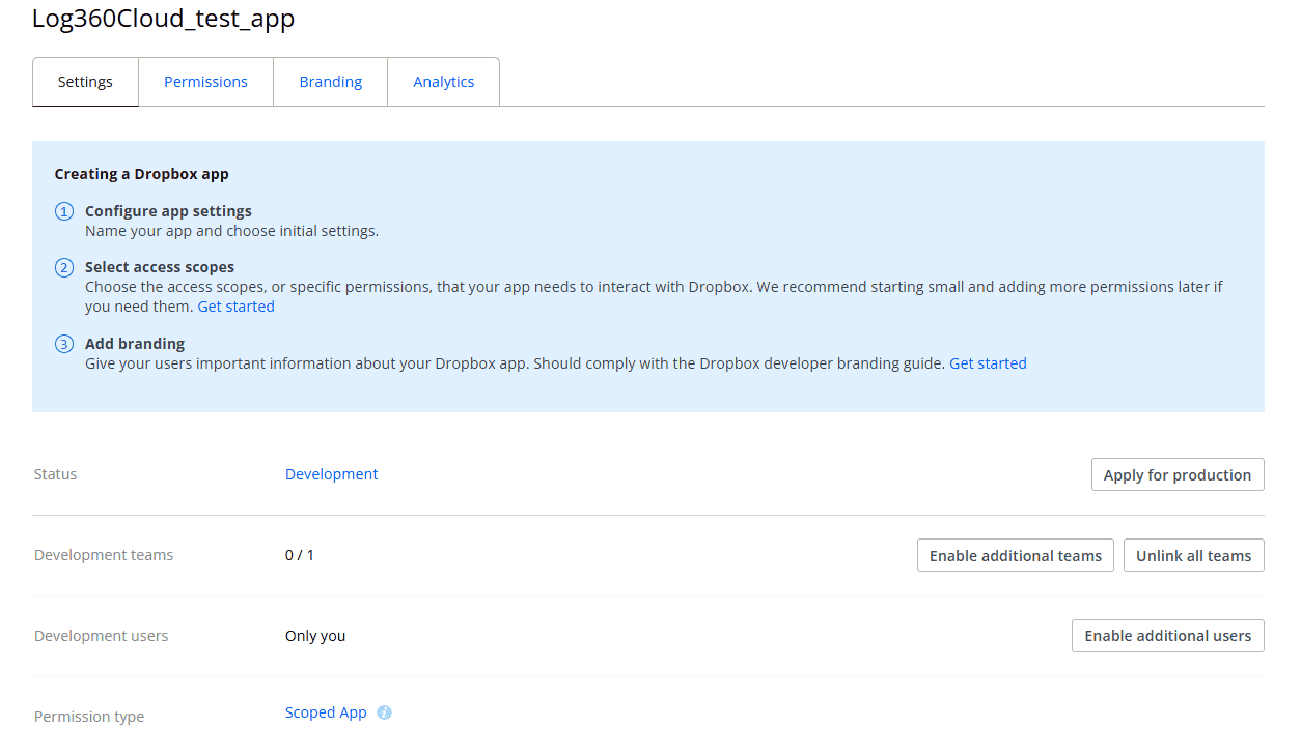
Figure 2: Dropbox app settings page - Navigate to the Permissions tab, scroll down, and enable team_data.member and events.read permissions.
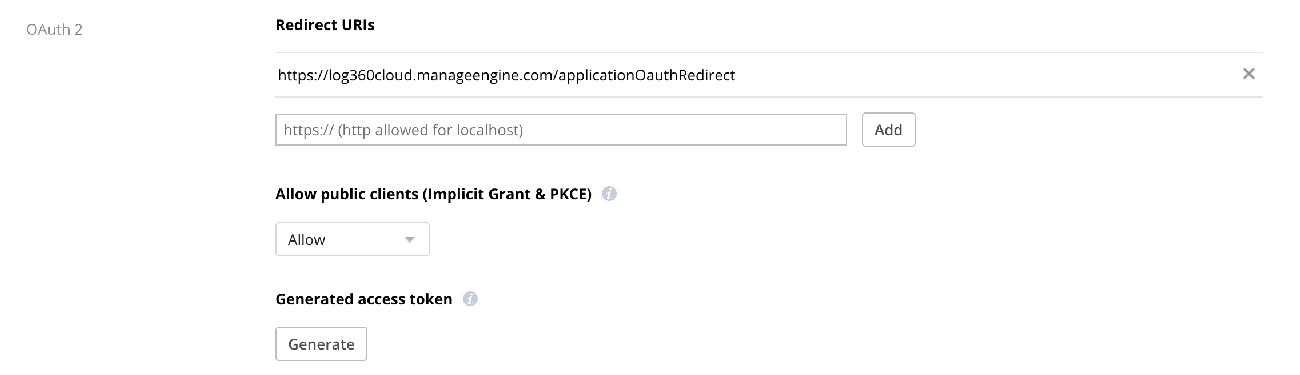
Figure 3: Enabling permissions in the Permissions tab - Click Submit to complete the Dropbox app configuration.
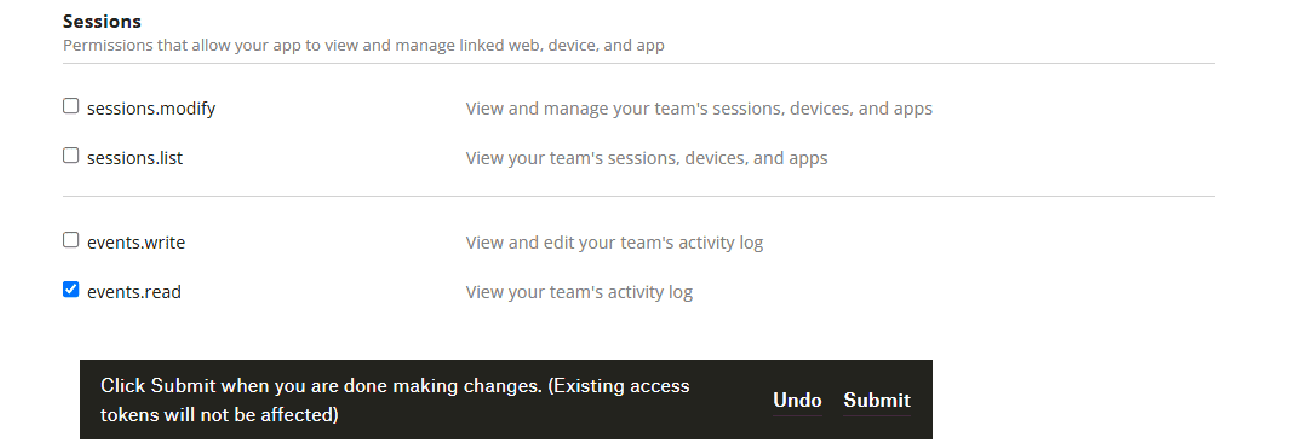
Figure 4: Copying Client ID and Client Secret from the Settings tab - From the Settings tab, copy the Client ID and Client Secret values from the App ID and App Secret fields. These will be needed later while configuring Dropbox in Log360 Cloud.
Configuring Dropbox in Log360 Cloud
To enable communication between Log360 Cloud and Dropbox, configure a connection. You can do this from the Connections page or while adding Dropbox as a log source.
Create a connection from the Connections page
- Log in to the product console.
- Go to Settings tab and select Admin.
- Under Integrations, click Connections.
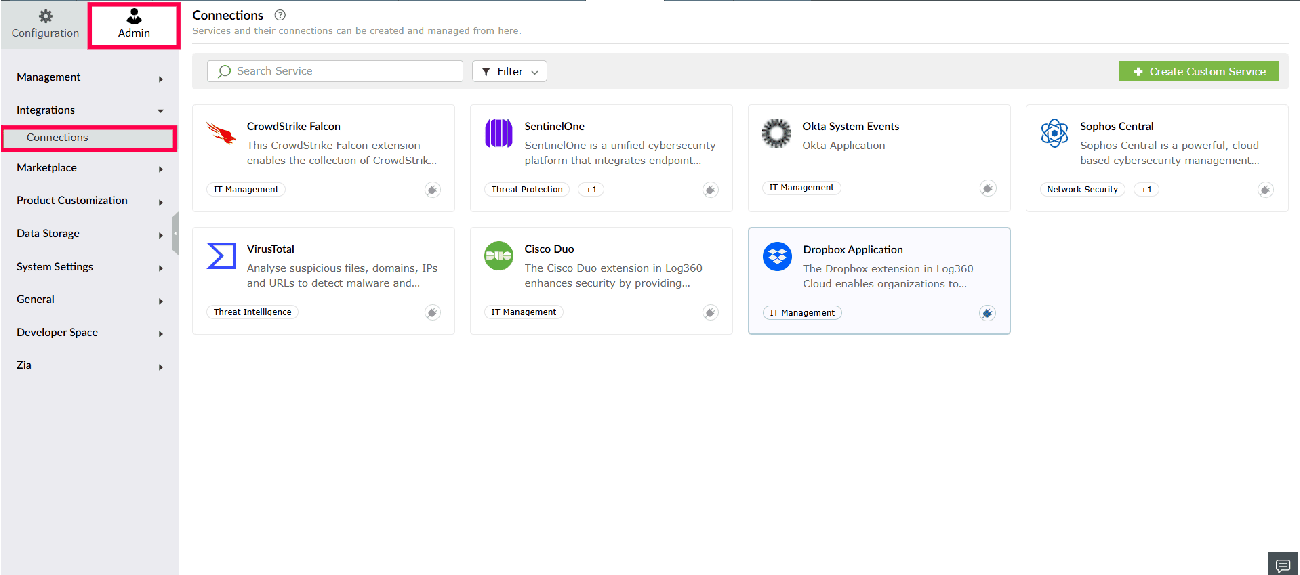
Figure 5: Navigating to Connections page - In the Connections page, select Dropbox Application.
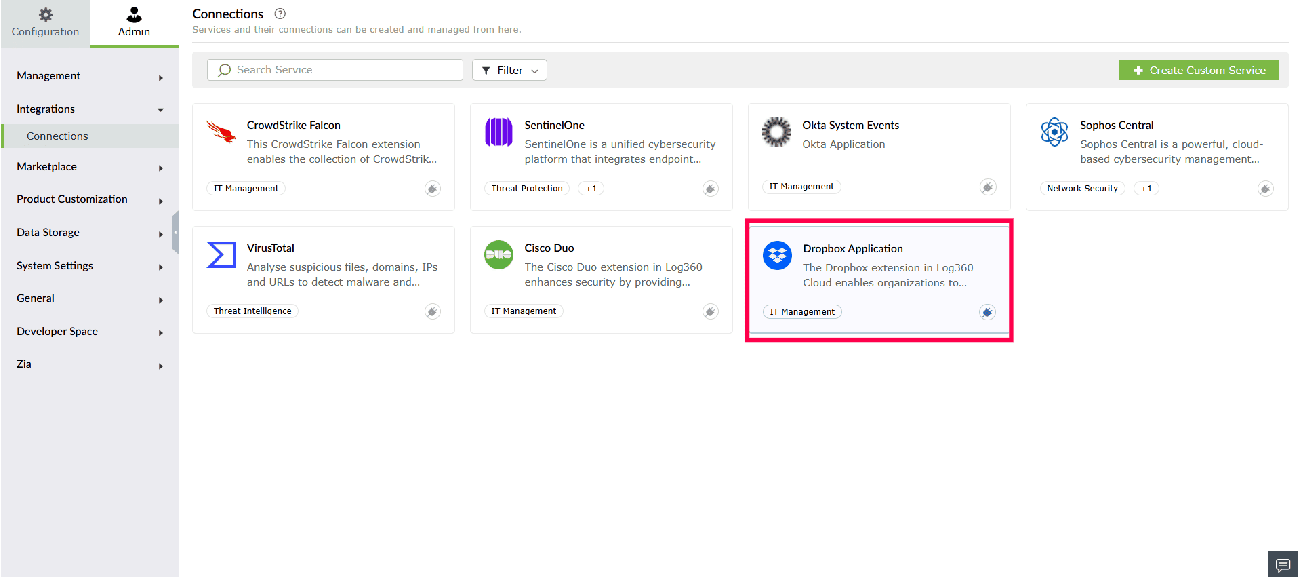
Figure 6: Selecting Dropbox Application - In the Dropbox Application window, click + Create Connection.
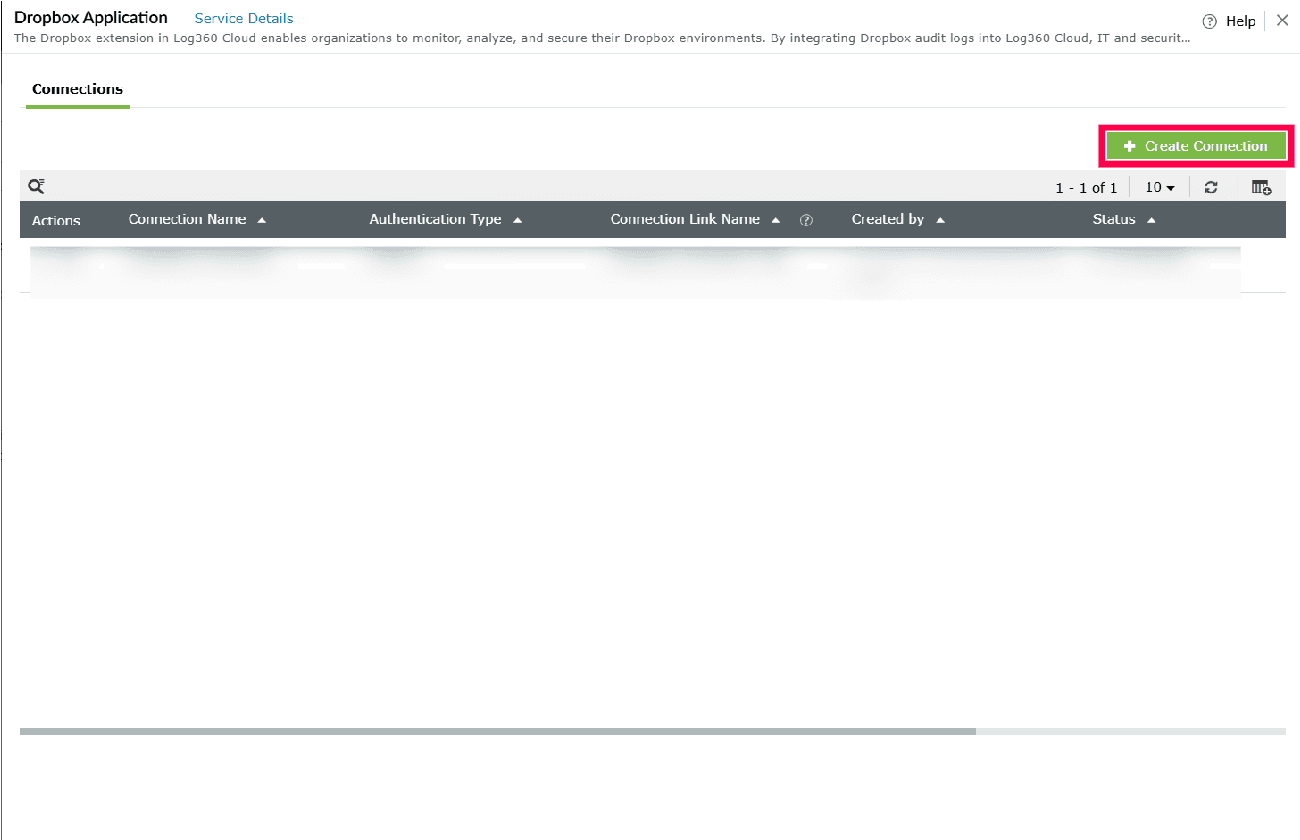
Figure 7: Creating a new connection - Enter the following details:
Field Description Authentication Type OAuth2 (pre-selected) Connection Name Enter a name (e.g., Dropbox). Client ID A unique identifier for your app, found in the App ID field under the Settings tab of your app in the Dropbox Developer Console. Client Secret A confidential key used to authenticate your app, found in the App Secret field under the Settings tab of your app in the Dropbox Developer Console. Scopes team_data.member, events.read, members.read, files.metadata.read, sharing.read, sessions.list Note Refer to this section to learn how to copy Client ID and Client Secret values.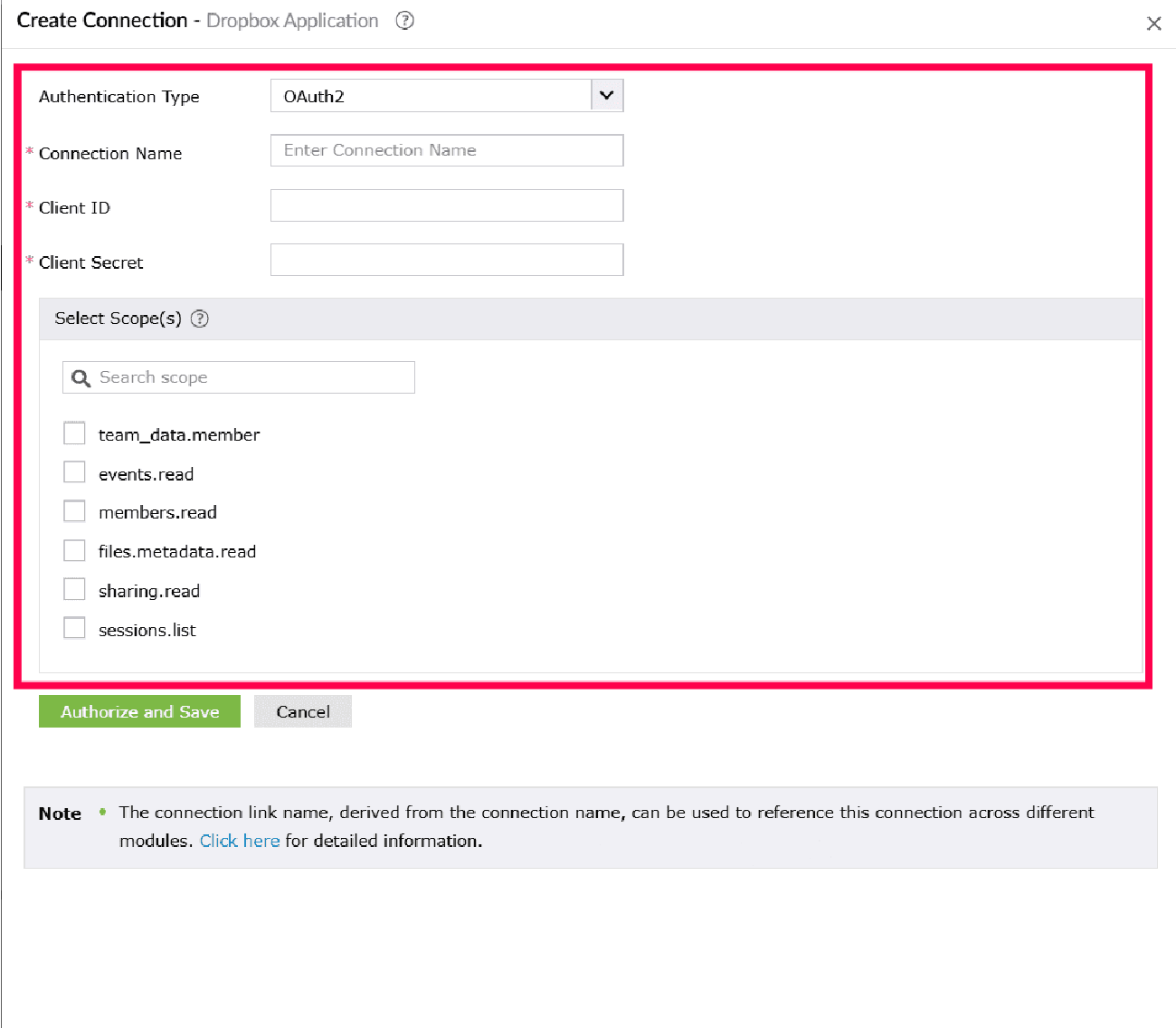
Figure 8: Entering connection details - Click Authorize and Save.
Configuring Dropbox as a log source
To begin collecting Dropbox audit logs in Log360 Cloud, configure the Dropbox log source as follows:
- Log in to the product console.
- Navigate to Settings tab and select Admin.
- Under Marketplace, select Installed Extensions to view the installed Dropbox extension.
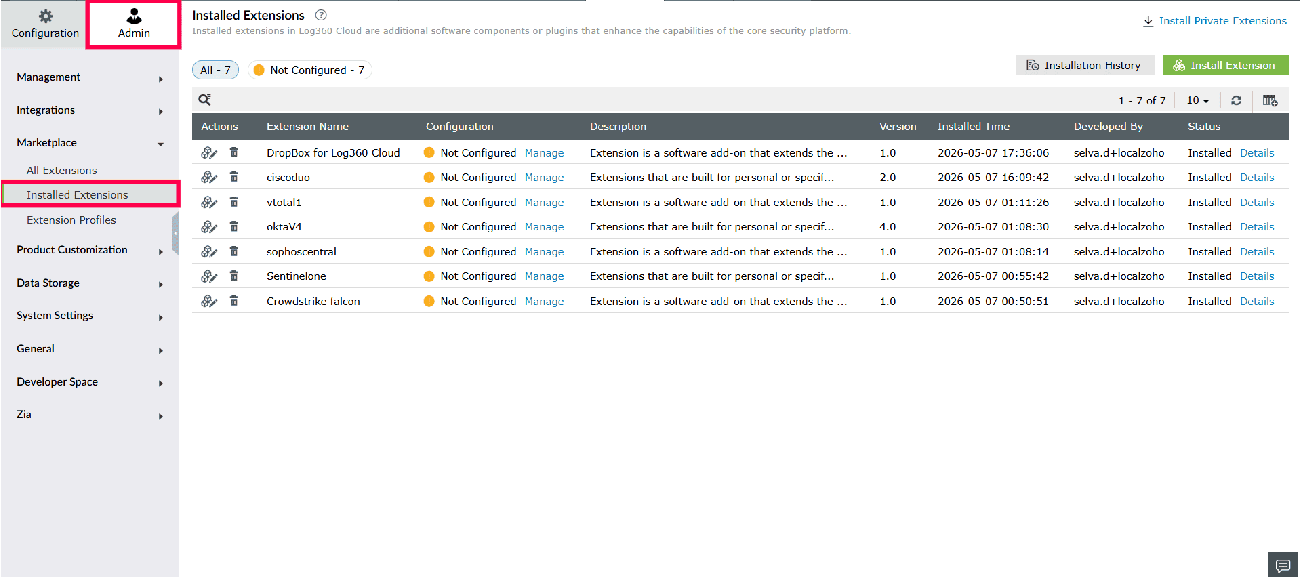
Figure 9: Viewing Installed Extensions - Click Manage under Configuration to open the Manage Configuration page.
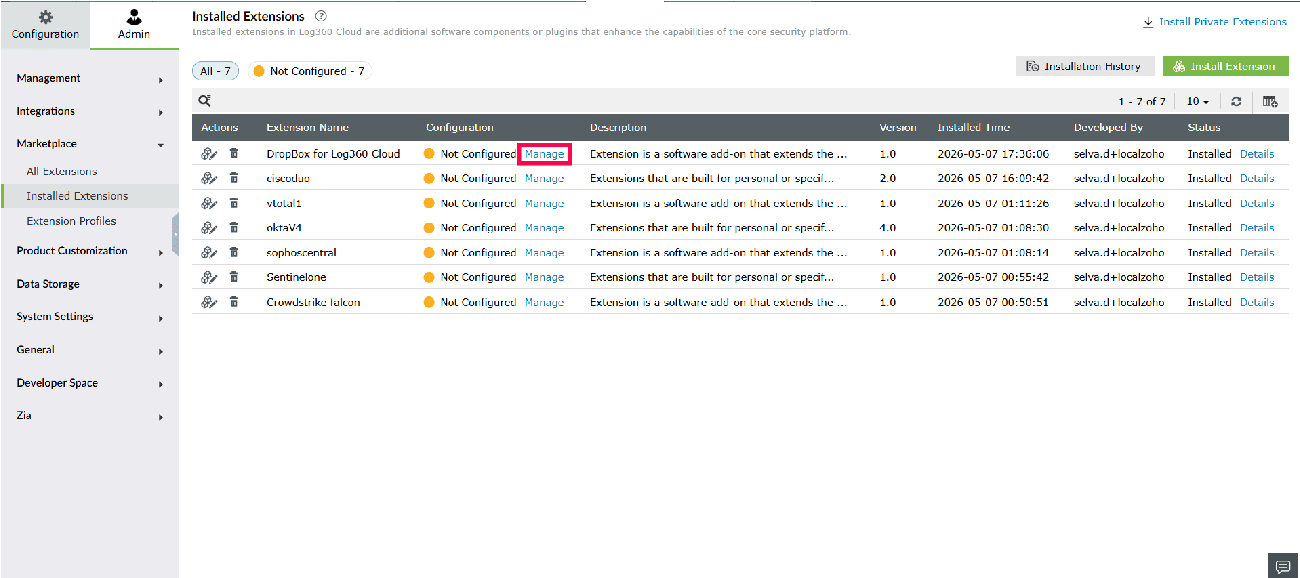
Figure 10: Managing the Dropbox extension - Click Configure to open the configuration page.
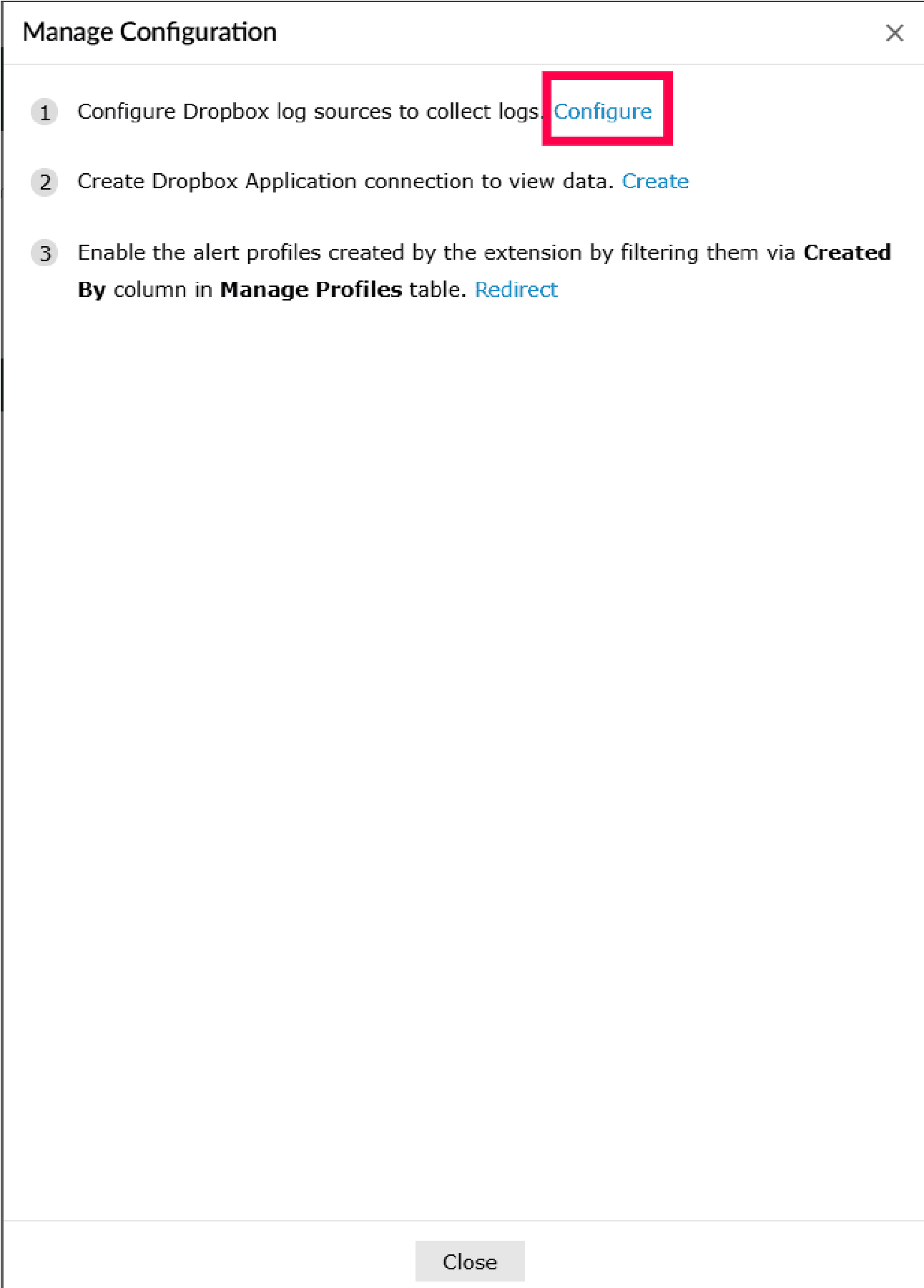
Figure 11: Opening the configuration page - In the Log Source Type dropdown, select Dropbox Application.
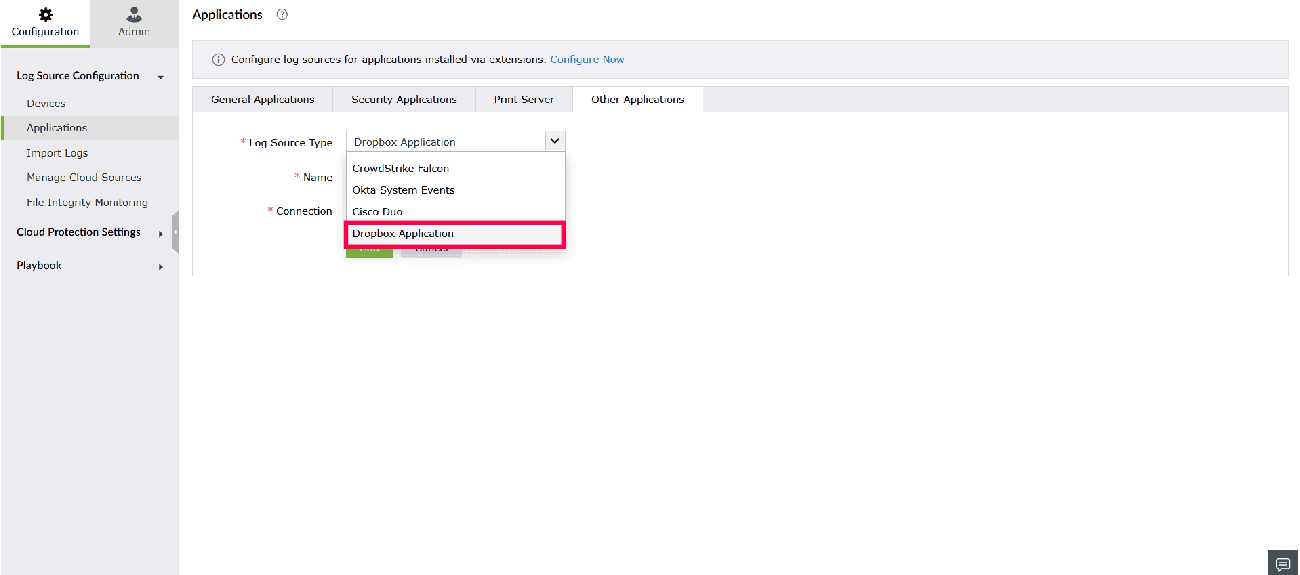
Figure 12: Selecting the log source type - In the Name field, enter a name for the Dropbox source.
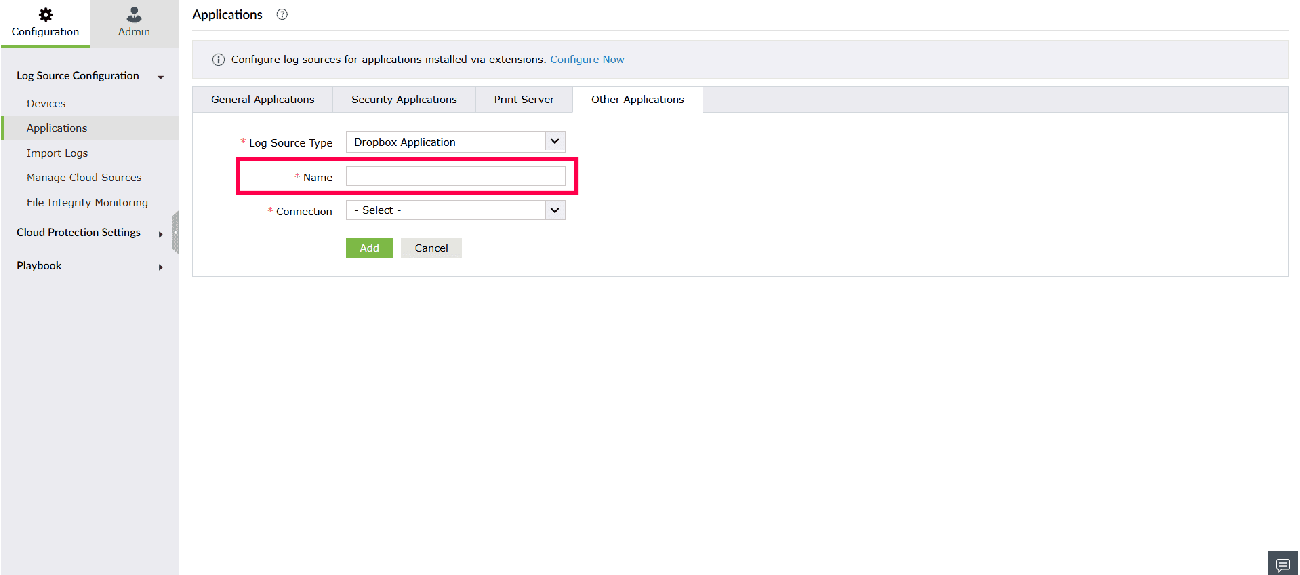
Figure 13: Entering a name for the Dropbox source - From the Connection dropdown, choose one of the following:
- Select an existing connection, if one has already been created.
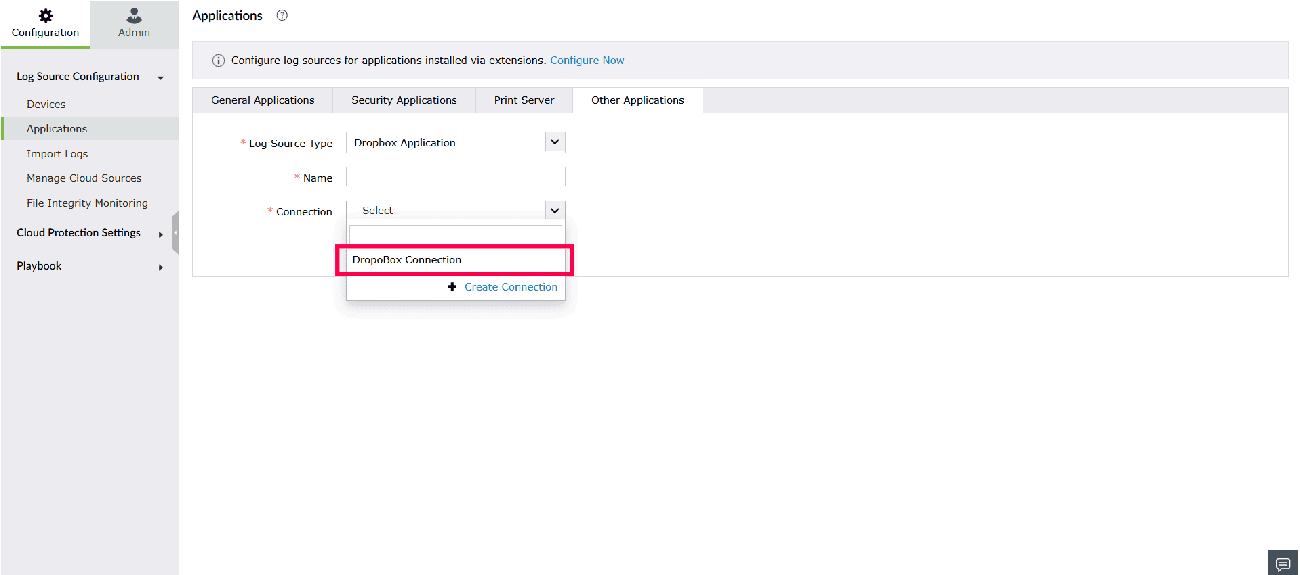
Figure 14: Selecting an existing connection - Click + Create Connection to create a new connection.
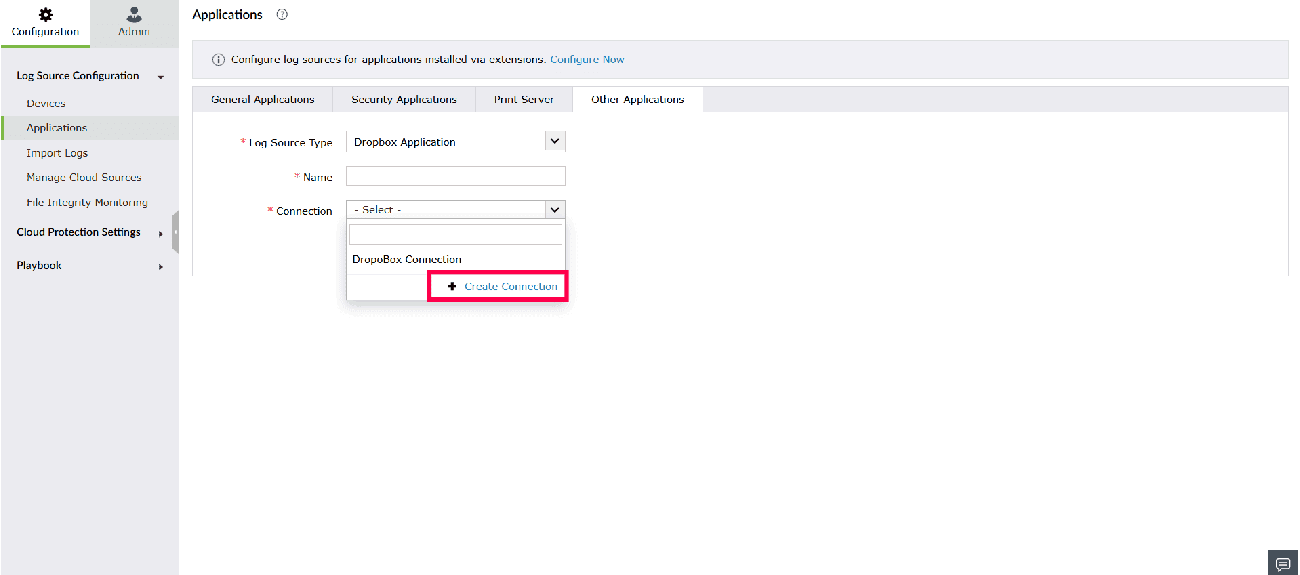
Figure 15: Creating a new connection
- Select an existing connection, if one has already been created.
- In the Create Connection - Dropbox window, provide the following details:
Field Description Authentication Type OAuth2 (pre-selected). Connection Name Enter a name to identify the connection (e.g., Dropbox). Client ID A unique identifier for your app, found in the App ID field under the Settings tab of your app in the Dropbox Developer Console. Client Secret A confidential key used to authenticate your app, found in the App Secret field under the Settings tab of your app in the Dropbox Developer Console. Scopes team_data.member, events.read, members.read, files.metadata.read, sharing.read, sessions.list Note Refer to this section to learn how to copy Client ID and Client Secret values.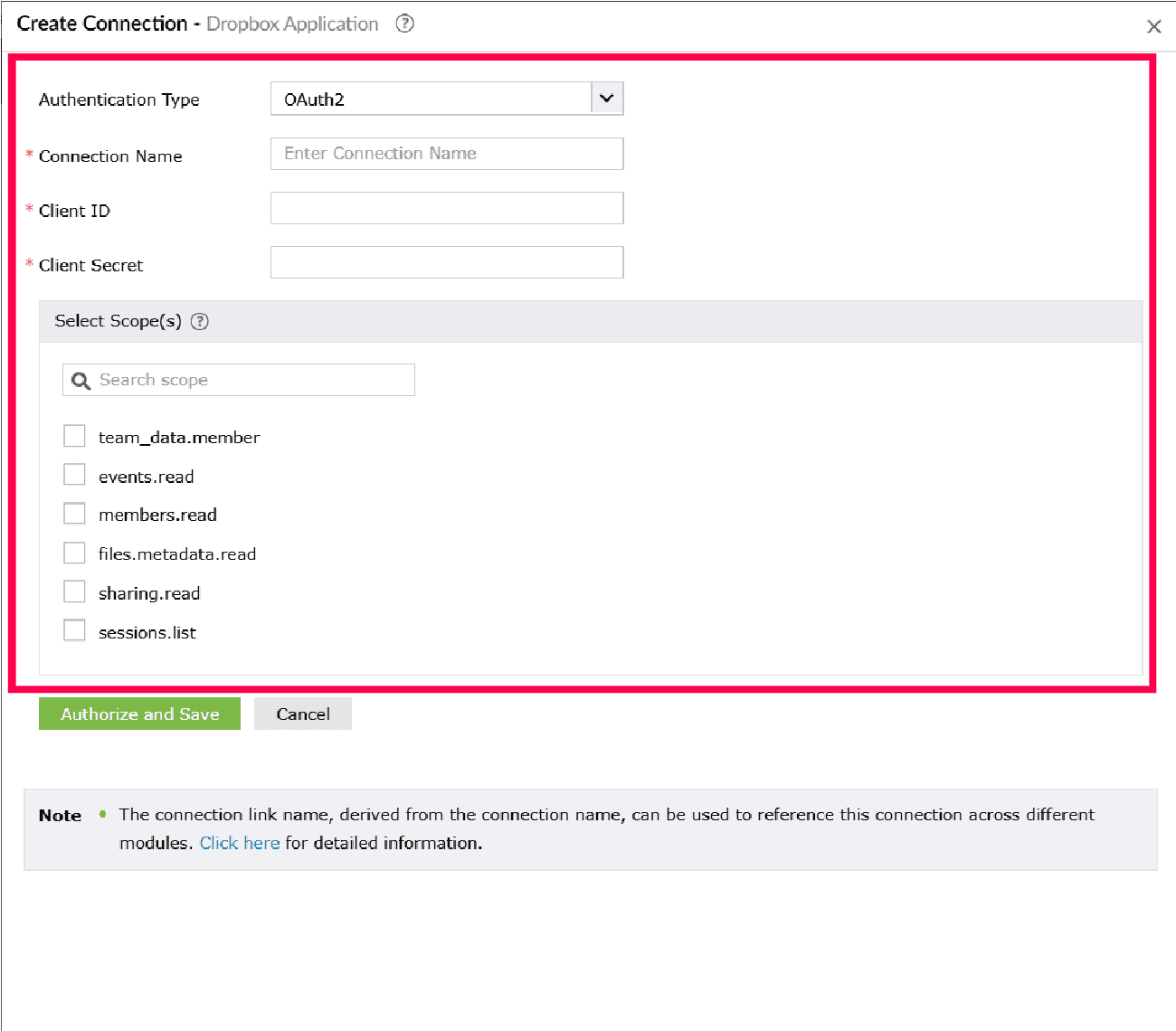
Figure 16: Entering connection details - Click Authorize and Save to complete authentication and create the connection.
- In the Application page, click Add to configure Dropbox as a log source.
Accessing Dropbox reports
- Navigate to Reports → Custom Reports → Dropbox to view Dropbox-related reports.
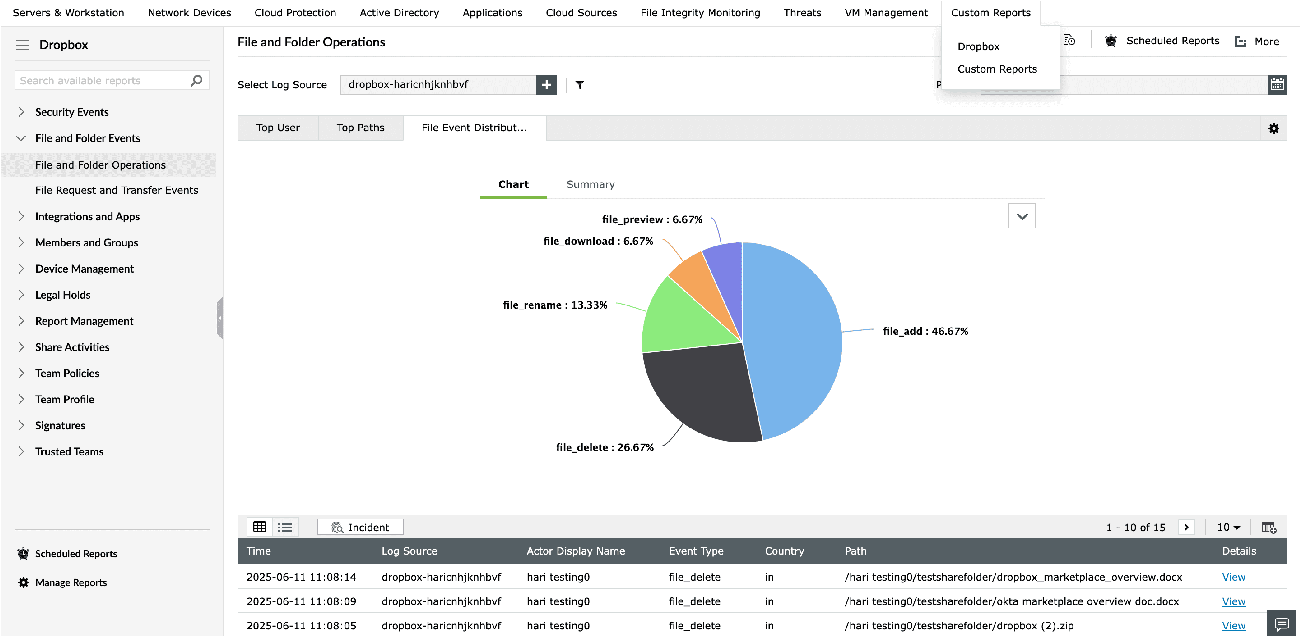
Figure 17: Viewing Dropbox reports
Configuring Dropbox alerts
- After configuring the log source, go to Settings → Marketplace → Installed Extensions.
- Click Manage under the Dropbox extension to open the Manage Configuration page.
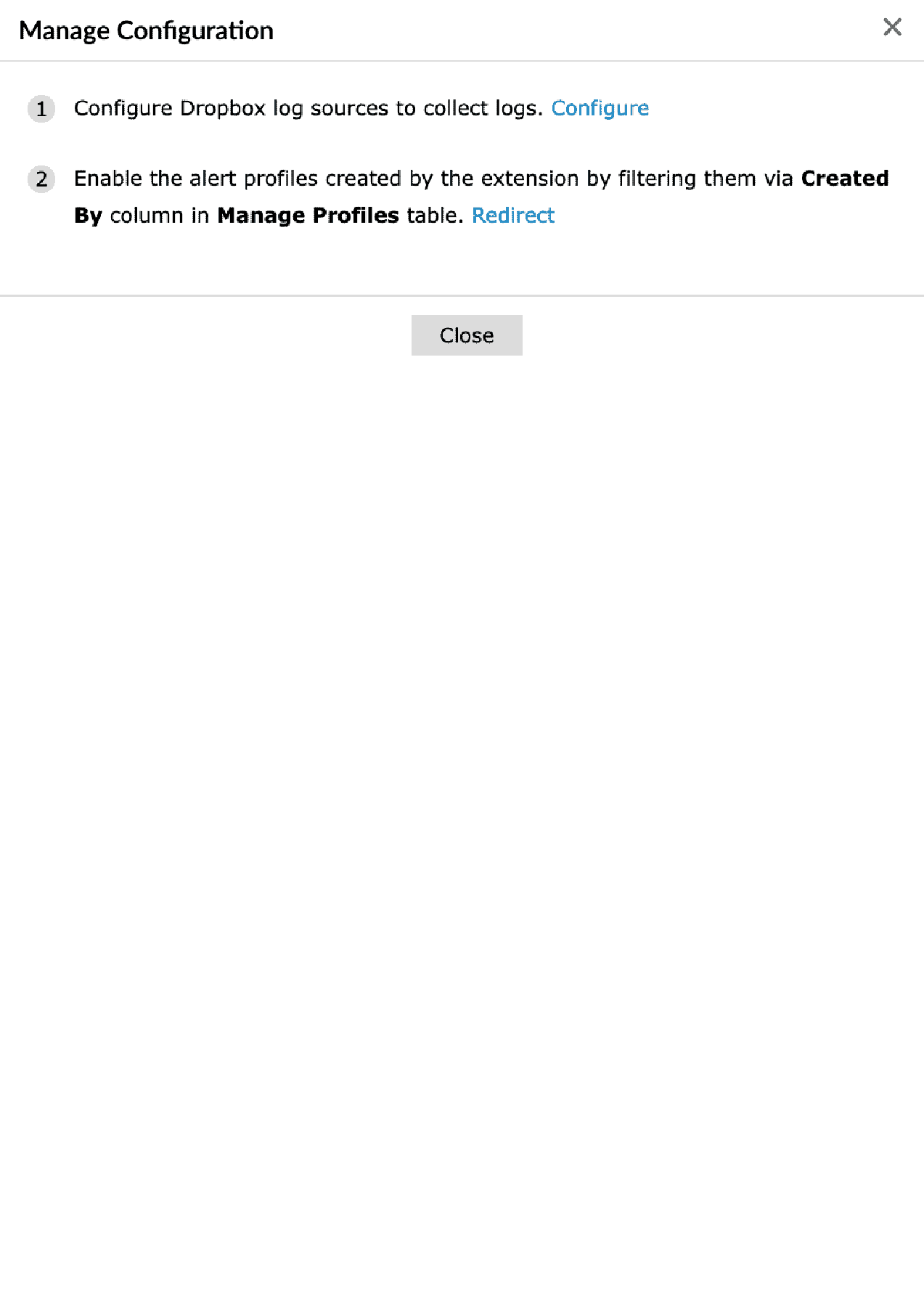
Figure 18: Managing configuration - Click Enable next to Alert Profiles to open the Alerts tab. Browse the available Dropbox alert profiles and enable the required ones.
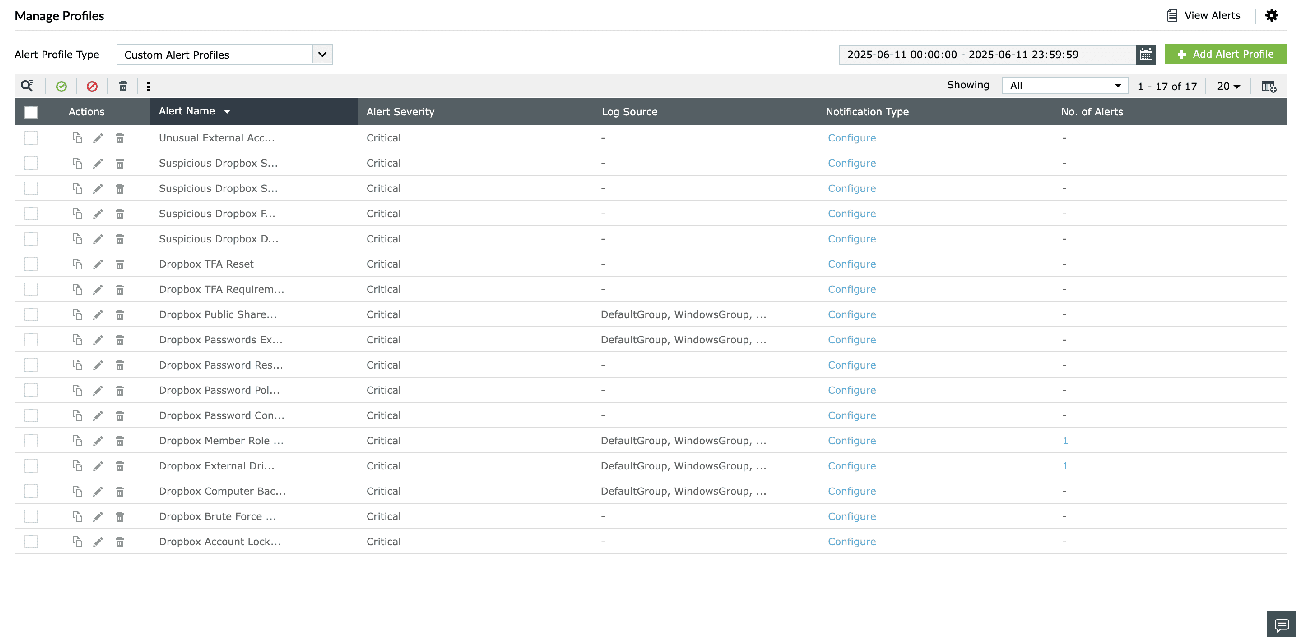
Figure 19: Enabling Dropbox alert profiles - Alternatively, go to the Alerts tab, select Extensions under Alert Profile Source, and choose Dropbox under Extension Name.
- Enable the required alert profiles.
Searching Dropbox Logs
- To search for Dropbox logs, select Dropbox under Extensions Group as the log source.
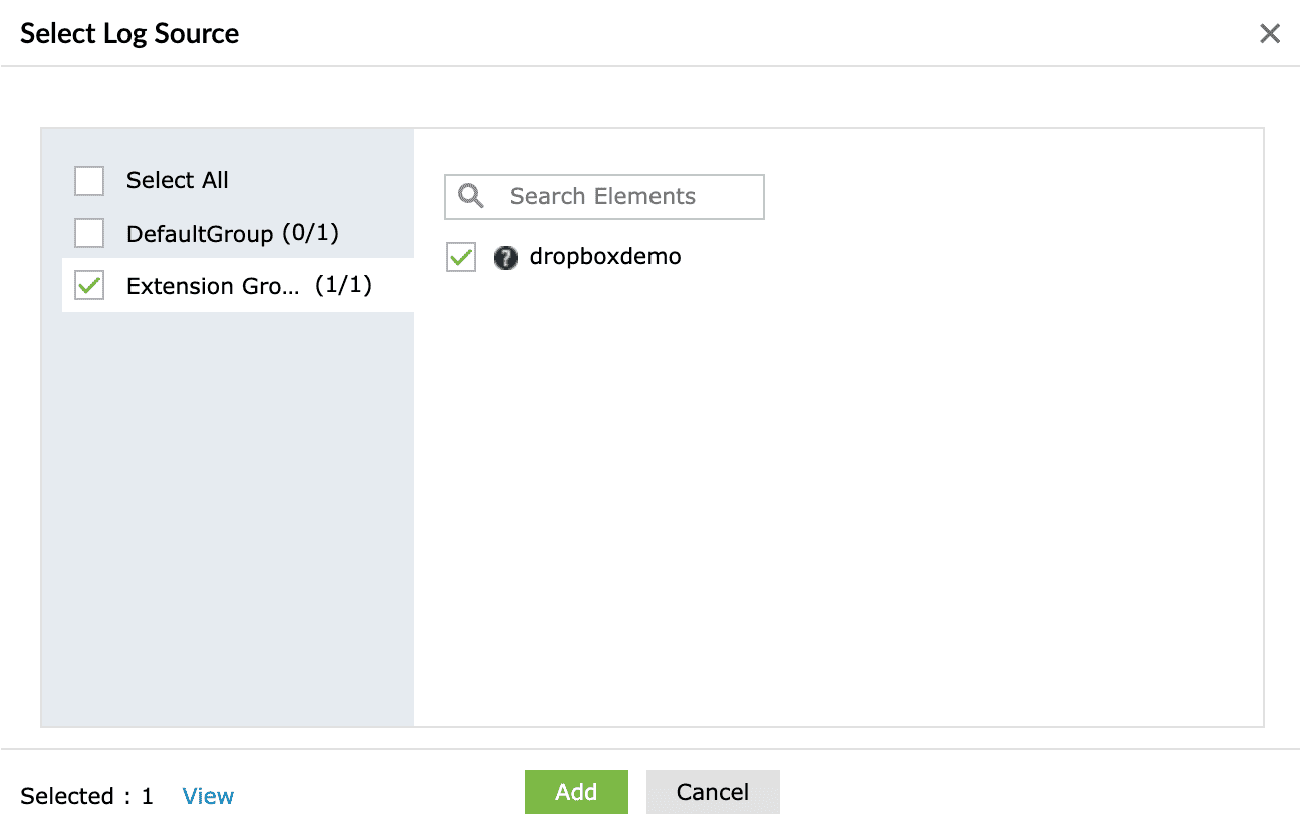
Figure 20: Selecting Log source - Alternatively, filter logs by selecting Dropbox as the log type.
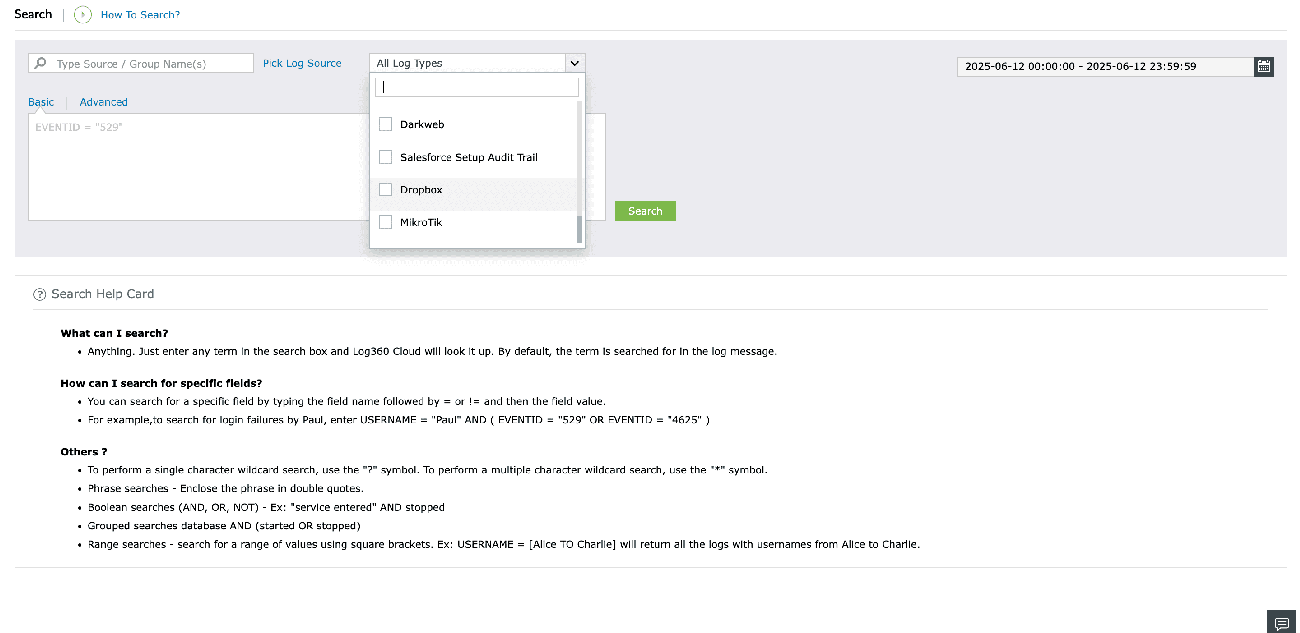
Figure 21: Filtering logs
Read also
This page explains how to integrate Dropbox with Log360 Cloud for audit log monitoring, reporting, and alerting. To learn more about related configurations and integrations, refer to: