Five worthy reads: Becoming humanless AI users: Are we there yet?
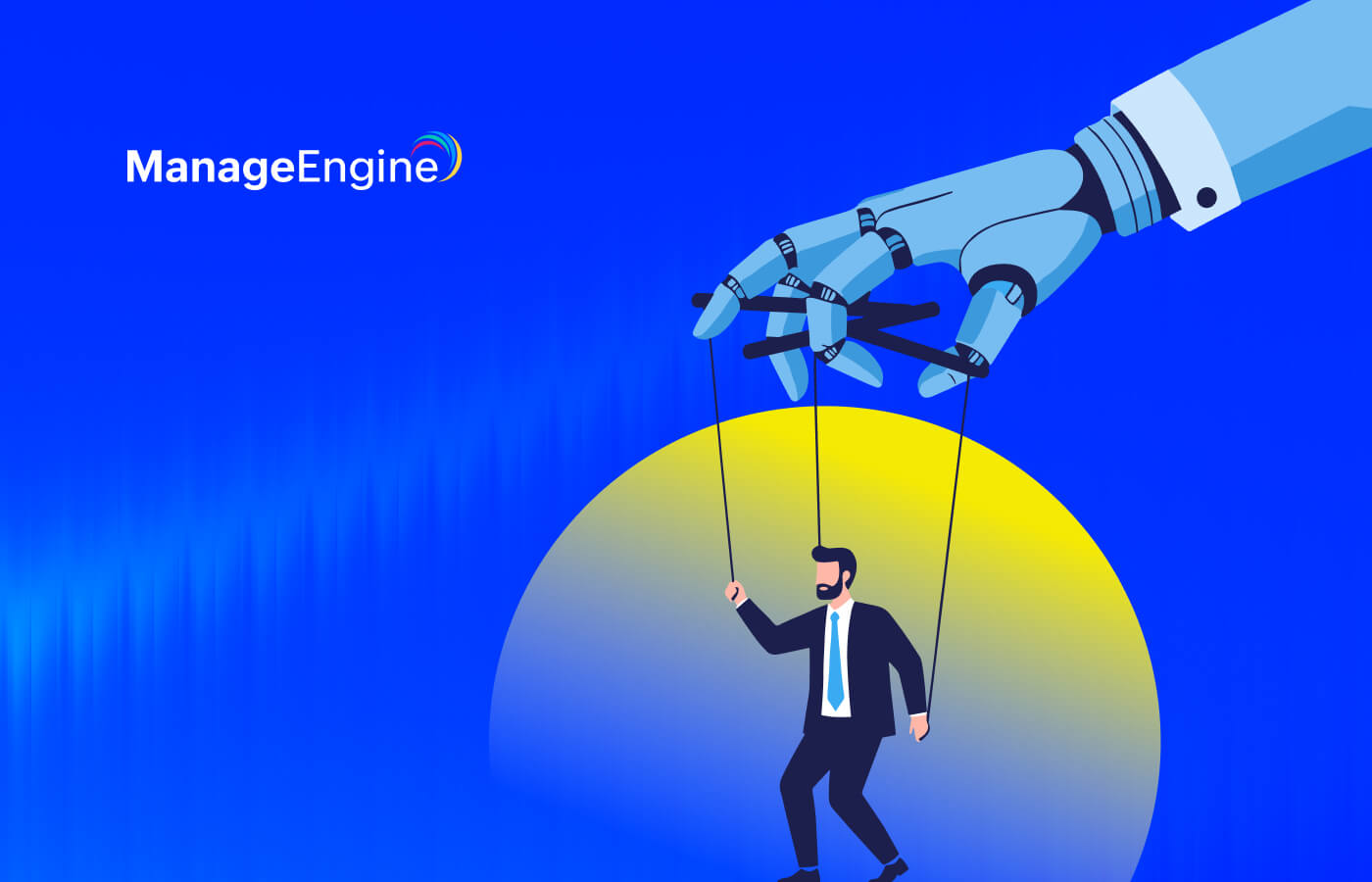
Five worthy reads is a regular column on five noteworthy items we’ve discovered while researching trending and timeless topics. This week, we are exploring the increasing day-to-day dependencies on AI technologies and the potential consequences it could bring.
Original thoughts are quietly fading among humans. The tone of these voices sound too familiar, and the sentence structures look monotonous. Creativity is taking a back seat, and we are slowly drifting towards sameness. The unity is commendable, but it raises the question of whether we are merely becoming machine-minded by aligning ourselves with patterns. What started as an evolution now carries immense potential to shock the entire system.
As Homo sapiens, we are identified by our cognitive functioning, ability to socialize, communicate, culturally evolve, and constantly progress. However, there is a similarity between AI and Homo sapiens: Both are built on pattern recognition.
The difference is that the patterns recognized by humans are based on real experiences, emotions, and lived reality. Most importantly, humans have the choice to go against these patterns. In contrast, unlike human connections—where the fear of rejection and judgment is higher and consistent effort is given—AI connections feel safe and convenient. There are many other reasons humans feel they can relate toAI despite the computerized interaction.
Not so long ago, I stumbled upon a video that really stayed with me. In the video, the speaker explored many examples of how humans are forming relationships with AI and the consequences of those relationships. But one question made me stop and think: When AI moves from being an assistant to a close companion, how do we define the boundaries?
Here are some interesting angles to consider as we prepare for the days ahead, driven by AI.
1. AI Relationships: Will Humans Form Romantic Bonds With AI?
AI companionships offer something that most human connections cannot: Judgment-free space. Their responses are trained not to offend, criticize, or displease, and to consistently agree with empathy and respect. For people seeking a judgment-free space, opening up becomes much faster, and they bond better with AI than humans. But the risk begins when real-life emotional, mental, and social connections begin to slowly sideline in this fast-paced digital world. Human relationships weaken. What takes months or years can now be developed faster in days or even a few hours.
2. As AI gets smarter, are we getting dumber?
When comfort begins to replace effort, and AI becomes the universal voice, the output lacks unique thoughts and ideas. The output may double in creativity, but the originality of human ideas may start to be outsourced. As we continue to ride on the capabilities of AI, it's worthwhile to figure out what's being lost in the way. An optimal level of cognitive load is important for humans to think independently. Here is a supporting article that poses an intuitive question: Is AI getting smarter, or are we getting dumber?
3. The human side of AI: The growing risks of ubiquitous use of AI on talent
We've come a long way from wanting to sound professional at work to mimicking AI-enhanced communication. When voices lose their distinctiveness, become similar, and lack diversity, it's more likely to signal a narrowing of thought. Weakened social bonds among employees due to excessive time spent on AI communication could shake the foundation of an organizational structure. Here is an article detailing how companies could benefit from positioning an AI-humanity approach to gain a strategic advantage.
4. The Key To AI Transformation Is Prioritizing Humans And Learning
The time invested in data collection and analysis has now shrunk, leaving enough room for creative and critical thinking. Keeping pace with the AI evolution is equally important as prioritizing collective learning to foster cultural competence. Right now, uncoordinated, individualized upskilling without proper direction or goals could undermine productivity and efficiency. Striking a balance and working together as a team with AI assistants positively impacts and amplifies high-level decision-making and judgment by humans. Take a look at the linked article above for a more detailed perspective.
5. Gen Z’s Relationship With AI
Generation Z's world thrives on digital gadgets. They fuel their learning, communications, and exploration through screens. As future leaders and today's economic drivers, nurturing Gen Z's relationship with AI the right way is a must, as it will shape the standards and learning culture for future generations. The linked Forbes article addresses gaps in how Gen Z is consuming AI technologies and stresses that familiarity with digital nativity does not translate to AI readiness.
AI's character arc changes every day. It becomes whatever we ask it to be. A therapist in one's story, a partner in another's, and personal assistants in most. As real-time users of AI, we are closer than ever to becoming dependent on it in every aspect. The ultimate aim is to create and co-create, not to compete. Next time, let's be thoughtful and let AI reflect on our given input be it prompts, intentions, and boundaries.