Homesick for a time we never knew
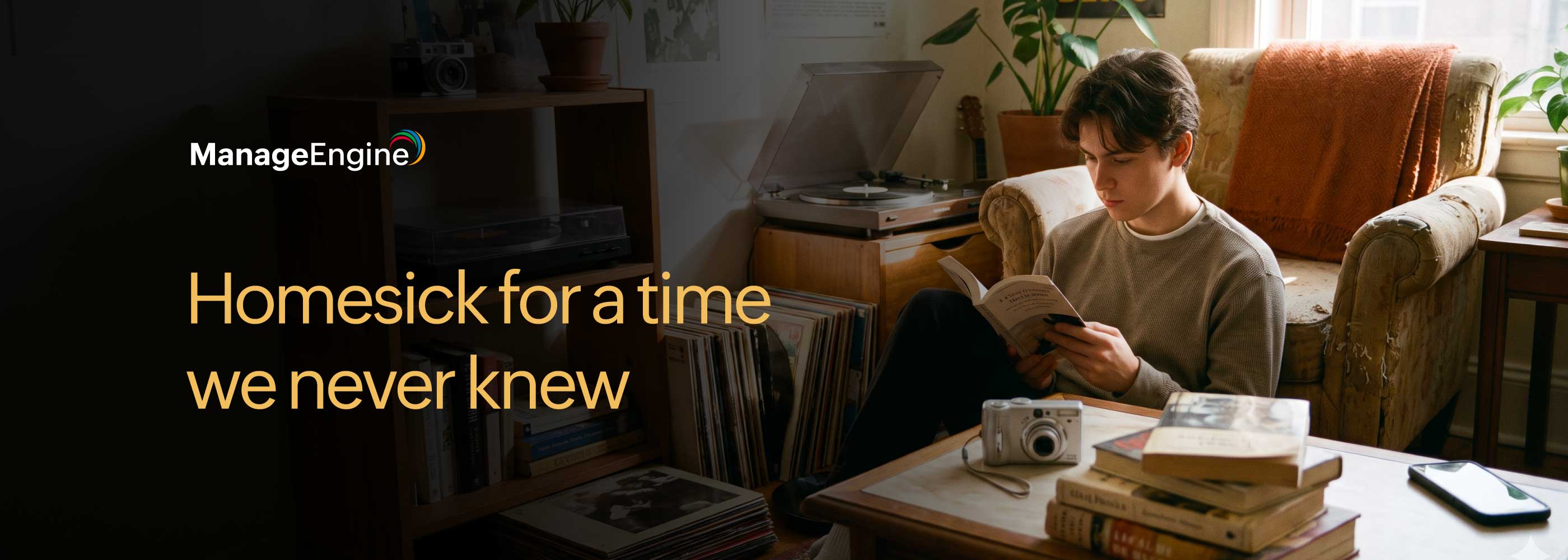
We spent years making technology smaller, faster and smarter. Cameras became phone features, music moved to streaming platforms, and books found a home on digital screens. We made almost everything available at the tap of a button. And yet, old digital cameras are finding their way back into people's hands, vinyl records are getting another spin, and paperbacks are reclaiming bookshelf space.
It's not just people looking to relive their younger days. A generation that grew up with smartphones, instant access and endless convenience is choosing these older alternatives for themselves.
So why would a generation raised on the best phones ever built keep choosing things that do less?
The old is new again
This isn't just a passing aesthetic. There's some interesting activity behind the trend.
Vinyl, for instance, has crossed a pretty big milestone. According to the RIAA, vinyl sales in the United States reached $1.04 billion in 2025, crossing the billion-dollar mark for the first time this century. It's not just an American comeback. The IFPI's Global Music Report 2026 found that vinyl revenues grew by 13.7% worldwide in 2025, marking its 19th consecutive year of growth.
Books are having a moment, too. According to the Association of American Publishers, paperback revenues in the US grew by 10.4% in May 2026 compared with the same month the previous year. They were also up 6.6% for the first five months of the year.
Can you miss a time you never knew?
For many younger buyers, these gadgets aren't really vintage. They're brand-new experiences. A teenager buying a point-and-shoot camera isn't necessarily trying to relive their childhood. They might simply be trying one for the first time.
There's actually a word for missing a time you've never experienced: anemoia. Coined by writer John Koenig in his Dictionary of Obscure Sorrows, it describes nostalgia for a past you've never lived through.
Think of it as borrowing your older sibling's jacket and somehow finding that it fits you better than your own. You might never have spent an afternoon listening to records in the 1980s or taken holiday pictures on a chunky digital camera in the early 2000s, but the idea of it still feels strangely familiar.
Perhaps that's part of the appeal. These objects carry a sense of a different time, one we've come to associate with slower days, fewer distractions and experiences that weren't constantly competing for our attention.
Think about your smartphone for a moment. It's a Swiss Army knife with a thousand blades. It takes pictures, plays music, stores books, tracks your location and reminds you about appointments. Brilliant, certainly. But every function comes with the possibility of another notification, another app or another distraction.
A digital camera just takes pictures. A record player plays records. A paperback lets you read without suddenly remembering that you have 14 unread messages.
There's a certain pleasure in using something that has one job and does it without asking for your attention elsewhere. Even the limitations can feel refreshing.
And then there's ownership. A streaming library is a little like staying in a hotel: everything is available, but none of it really belongs to you. A shelf of records or books is more like home. You can arrange it, display it, lend it to someone and return to it whenever you like.
The slightly ironic part
Of course, there's a small catch. People are putting together their carefully curated offline activity kits, then posting them online for everyone to see. BookTok has helped introduce countless readers to physical books, too.
We're discovering ways to spend less time on screens through the very screens we're trying to escape.
We found the cure on the thing we're trying to cure.
Perhaps we're not really longing for old technology. We're longing for what came with it: doing one thing at a time, taking a photograph without a dozen retakes, listening to an entire album or reading a chapter without expecting a reply.