What is cloud cost optimization?
Cloud cost optimization refers to the process of tracking, analyzing, and using automation to check your cloud costs to achieve cost efficiency and financial clarity. As your organization expands its use of cloud resources, costs can escalate rapidly, leading to exceeded budgets, wasted resources, and inefficiencies that can negatively affect your overall profitability.
A robust cloud cost optimization strategy enables you to optimize your organization's cloud expenditures, reduce waste, and improve ROI. This involves a mix of automation, policy-driven governance, cost allocation, and predictive analytics to ensure the maximum value of your cloud investments.
See also
Explore CloudSpend
Why does cloud cost optimization matter?
As your organization adopts more multi-cloud and hybrid cloud environments, you may feel the heat to get real-time insights into cloud bills. Cloud cost optimization allows you to:
Control unnecessary spending
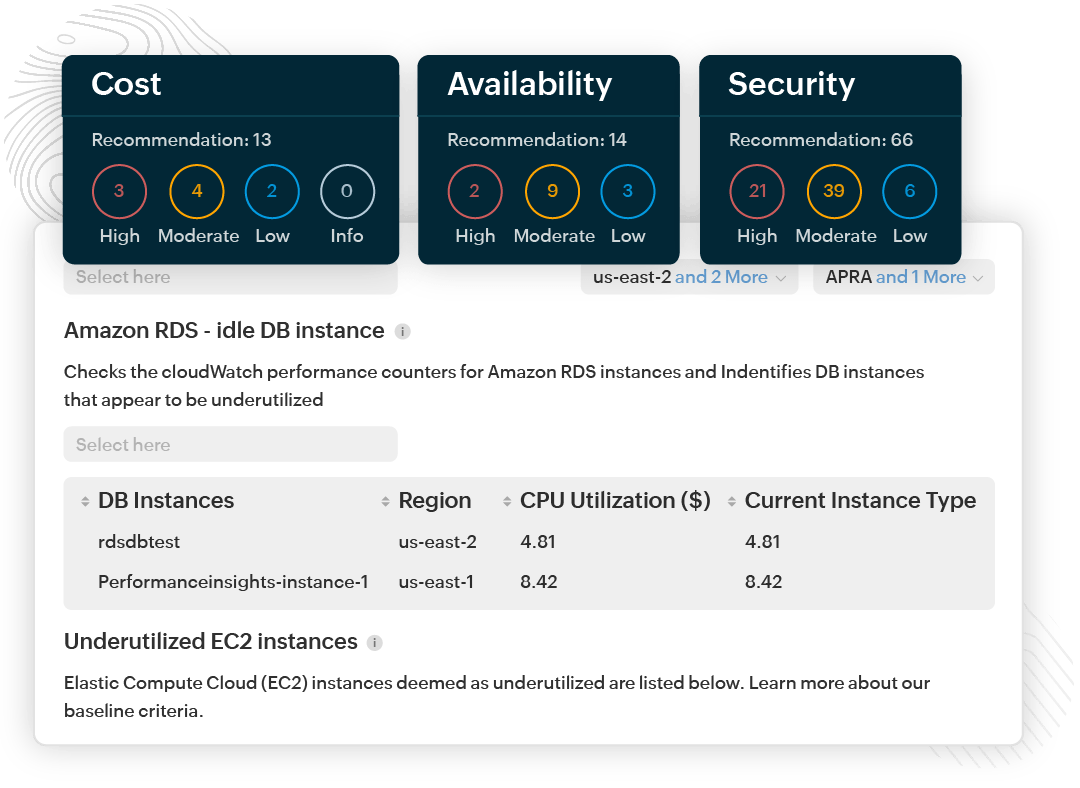
Spot unused and underutilized resources to reduce waste and keep your cloud bills in check.
Optimize resource allocation
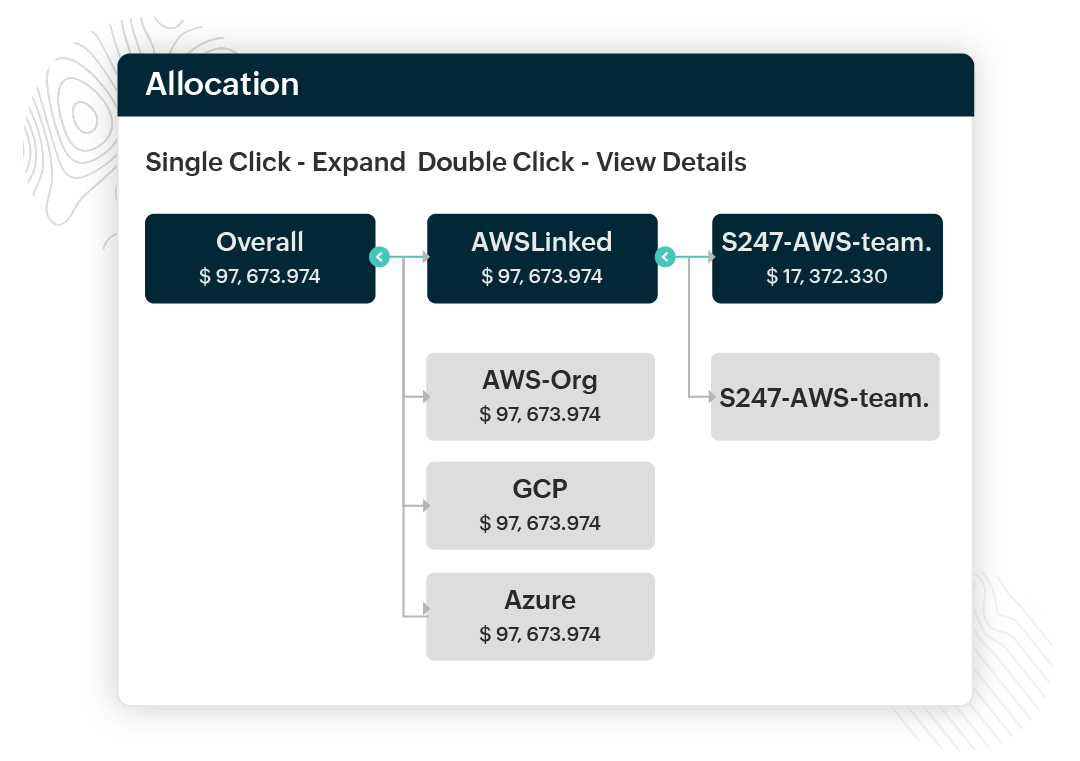
Distribute resources effectively across various teams and departments and manage cloud cost for a single geolocation.
Improve forecasting and budgeting
Leverage predictive analytics to plan and oversee cloud expenses and get insights based on past spending.
Enhance performance without overspending
Strike a balance between cost control and performance to maintain smooth operations.
Cloud cost optimization made easy with CloudSpend
To manage cloud costs effectively, you need a structured approach that emphasizes visibility, automation, and optimization. Here are four essential components of a strong cloud cost optimization solution:
Cloud cost visibility and analytics
The first step toward controlling costs is understanding cloud utilization. A cloud cost visibility and analytics solution offers:
- Real-time cost monitoring: Keep track of cloud expenses across various services and accounts.
- Usage analytics: Spot trends, peak usage times, and any unusual spending patterns.
- Cost allocation: Distribute costs to different teams, projects, or business units for precise chargebacks.
- Reporting and insights: Create detailed reports to aid in financial planning and compliance.
Automated cost optimization
Managing costs manually can be tedious and error-prone. Automated cost optimization solutions help you save money by:
- Rightsizing resources: Automatically adjust cloud instances and storage according to usage patterns.
- Scheduling and auto-scaling: Turn off non-essential resources during off-peak hours.
- Instance and reserved pricing optimization: Utilize spot instances and reserved capacity for cost savings.
- Policy-driven automation: Implement cost-saving rules and alerts for improved governance.
Multi-cloud cost governance
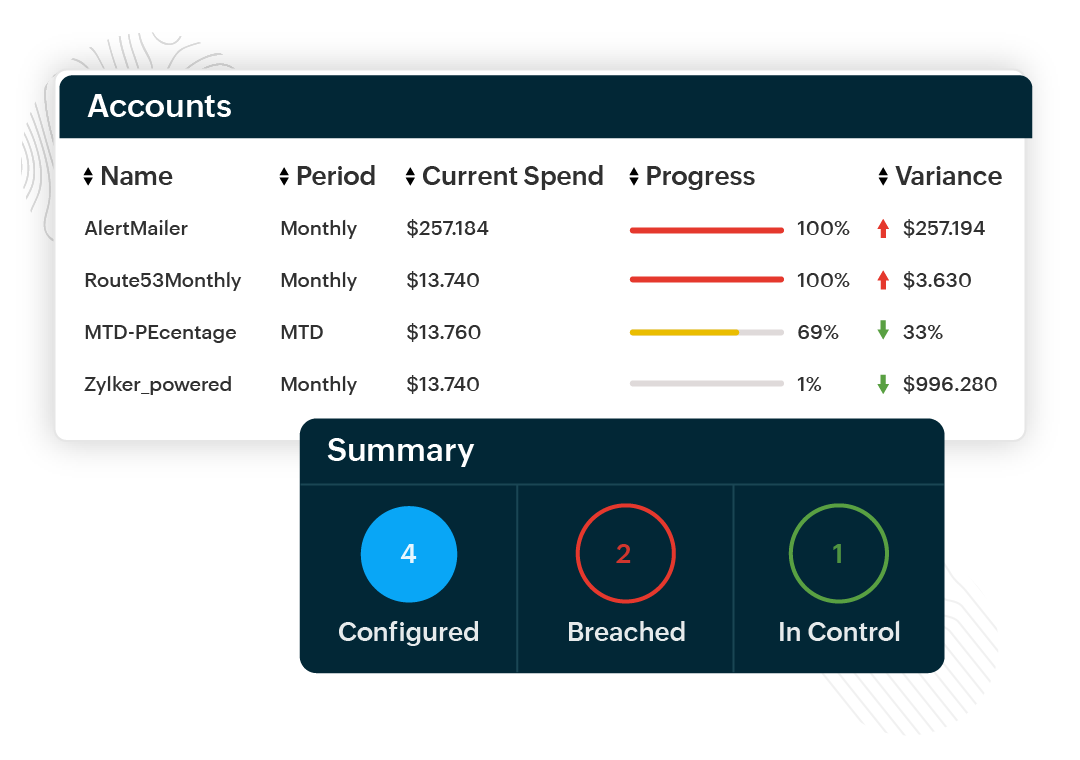
Today, many organizations operate across various cloud providers, making governance crucial for maintaining cost control. Multi-cloud cost governance encompasses:
- Policy enforcement: Set guidelines for spending and provisioning limits in your cloud.
- Compliance monitoring: Take control of tracking compliance with industry standards and internal policies.
- Centralized billing management: Merge cloud bills from different providers for enhanced financial oversight.
- Cost-sharing models: Efficiently distribute expenses among different teams or departments.