Why SMBs shouldn't ignore network monitoring
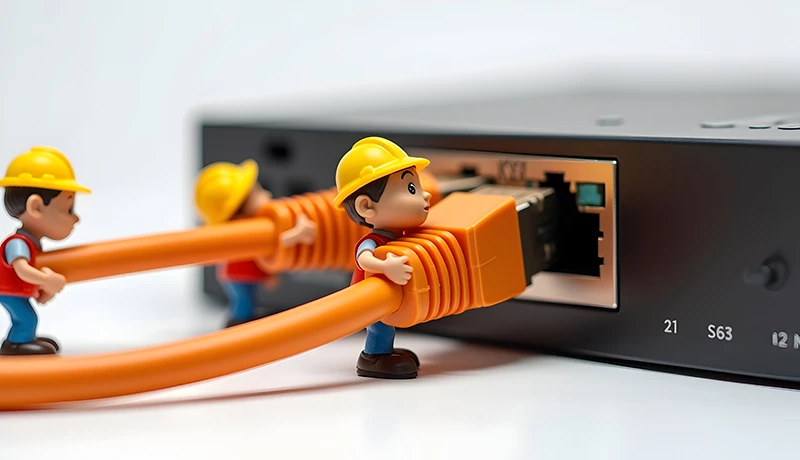
If you run a small or mid-sized business, you know one thing for sure: your network is the heartbeat of your operations. From customer transactions and team collaboration to cloud apps and remote work, almost everything depends on your network running smoothly.
And yet, many SMBs still take a “fix it when it breaks” approach to IT. That worked when downtime just meant rebooting a desktop. But in 2025? A single hour of downtime can cost thousands in sales, lost productivity, and worst of all: customer trust.
The good news? You don’t need an enterprise-sized budget to benefit from network monitoring for small business. Modern tools give SMBs the same visibility and control once reserved for big corporations.
Here are the top eight reasons why SMBs should monitor their networks in 2025:
- Prevent downtime and protect brand image
- Remote network monitoring: Manage IT from anywhere
- Faster troubleshooting with network monitoring tools
- Cut and control IT costs with smarter monitoring
- Improve SMB Cybersecurity with continuous network monitoring
- Scale IT infrastructure seamlessly as your business grows
- Simplify reporting and trend analysis with automated monitoring
- Stay competitive with proactive IT
1. Prevent costly downtime & protect your reputation
For SMBs, downtime isn’t just inconvenient; it’s disruptive to revenue and reputation. A few hours of unplanned outage can cancel customer orders, stall projects, and damage hard-earned trust. Often, customers won’t call to complain; they’ll simply move to a competitor.
With monitoring in place, IT teams get early warnings when performance degrades whether from an overworked switch, misconfigured firewall, or ISP instability. This foresight allows them to act before an outage becomes visible to end users.
The benefit goes beyond saving money. Every avoided downtime incident is also an investment in brand reliability, which is priceless for businesses that rely on customer trust to grow.
2. Remote network monitoring: Manage your network from anywhere, anytime
Small IT teams don’t have the luxury of being everywhere at once. Problems can occur on weekends, during travel, or while the admin is supporting staff at another site. Without remote access, response times drag, and downtime stretches longer than it should.
Remote network monitoring tools solve this by providing visibility through web portals or mobile apps. Whether at home, on a job site, or halfway worldwide, administrators can check alerts, review device health, and act immediately.
This “anywhere access” transforms monitoring from a back-office tool into a lifeline for lean IT teams, enabling them to stay ahead of problems without being chained to their desks.
3. Faster troubleshooting: Find and fix network problems before they affect the end user
When users complain of “slow internet,” the problem could be anywhere: a failing router, overloaded Wi-Fi, or even a third-party application. Without visibility, IT is left guessing, and guesswork wastes valuable time.
Monitoring tools make troubleshooting methodical. Visual maps show device relationships, while performance dashboards surface key metrics like packet loss, latency, and error rates. Instead of chasing hunches, IT admins can zero in on the actual root cause.
The faster problems are identified, the sooner users return to normal and the less frustration builds up across the organization. For SMBs, that means fewer help desk calls, happier staff, and minimal disruption to daily operations.
4. Cut and control IT costs with smarter monitoring
SMBs walk a tightrope between delivering great IT services and keeping expenses under control. Without performance data, every slowdown looks like a reason to buy more bandwidth or upgrade equipment.
Monitoring provides hard evidence of how resources are being used. Is bandwidth actually maxed out, or are cloud backups saturating the network during business hours? Are employees experiencing slowdowns because of insufficient capacity, or because of a failing device?
With this clarity, IT leaders can prioritize upgrades, avoid indiscriminate purchases, and make budget requests backed by data protecting both the business and the bottom line.
5. Improve network security with continuous network monitoring
Cybersecurity is no longer optional, even for SMBs. Attackers frequently target smaller companies, assuming limited defenses will make breaches easier and faster. The cost of even a single incident, including lost data, recovery expenses, regulatory penalties can be devastating.
Network monitoring for small business provides a crucial layer of defense. By tracking baseline traffic patterns, it becomes possible to identify suspicious behavior like unauthorized device connections, sudden data spikes, or unusual port activity. These anomalies often point to intrusion attempts or insider misuse.
While monitoring isn’t a replacement for a full security stack, it gives SMBs the visibility to detect and respond to threats early closing the gap between limited resources and enterprise-level risk.
6. Scale IT infrastructure seamlessly as your business grows
Growth introduces complexity. More employees bring more devices. Cloud adoption expands infrastructure beyond the walls of the office. IoT and BYOD policies add yet another layer of variability. Without monitoring, this growth can quickly overwhelm IT.
Monitoring allows SMBs to scale with confidence. Trends in bandwidth, device health, and application usage reveal exactly where capacity is running out and what needs reinforcement. Instead of reacting to outages, IT can plan for expansions in advance.
By keeping infrastructure aligned with business momentum, monitoring ensures that growth accelerates success instead of slowing it down.
7. Simplify reporting & trend analysis with automated monitoring
Understanding performance over time is just as important as solving today’s problems. Yet, without proper monitoring, creating reports for management often means stitching together logs, spreadsheets, and guesswork.
Monitoring automates this process by collecting and organizing historical data. Bandwidth utilization, uptime percentages, error rates, and device performance can all be presented in easy-to-read reports. This not only satisfies management requests but also empowers IT to make decisions based on evidence.
The ability to quickly spot long-term trends means SMBs can act proactively, addressing weaknesses before they turn into costly disruptions.
8. Stay competitive with proactive IT practices
For many SMBs, IT is seen as a supporting function, but in today’s market, it’s a direct driver of competitiveness. If a customer-facing service lags, or if employees struggle with unreliable systems, competitors gain an advantage.
Proactive monitoring flips IT from reactive firefighting to strategic enabler. Instead of waiting for problems to disrupt operations, monitoring keeps performance steady, security tight, and resources optimized.
In industries where customers have endless options, the ability to guarantee reliability can be the difference between retaining a loyal client and losing them forever.
With vs. without monitoring: The SMB reality
| Area | With network monitoring | Without network monitoring |
|---|---|---|
| Downtime & Brand image | Issues are detected early, alerts prevent prolonged outages, customer trust is protected. | Outages catch IT off guard, longer downtime damages brand reputation and customer experience. |
| Anywhere access | IT teams can monitor and fix problems remotely whether at home, traveling, or during off-hours. | Problems pile up until someone reaches the office, leading to delays and frustrated users. |
| User experience | Bandwidth-heavy apps are tracked, bottlenecks identified, and critical workloads prioritized for smooth performance. | Users complain about “slow internet,” but IT lacks visibility to pinpoint the cause, hurting productivity. |
| Troubleshooting | Trends reveal capacity limits early; IT can justify budgets with data-driven requests. | Growth stresses the network unexpectedly; leadership hesitates to invest without clear evidence. |
| Future growth | Trends reveal capacity limits early; IT can justify budgets with data-driven requests. | Growth stresses the network unexpectedly; leadership hesitates to invest without clear evidence. |
| Security | Suspicious traffic patterns are flagged quickly, helping prevent breaches and data loss. | Attacks go unnoticed until damage is done; SMBs risk financial and legal fallout. |
The true cost of open-source network monitoring: What SMBs should know
Your customers don’t care if you’re a 20-person startup or a global enterprise. They just expect your services to work always. Without monitoring, you’re flying blind, leaving your business vulnerable to downtime, breaches, and wasted spending.
Many SMBs opt for open-source network monitoring to cut costs, but the hidden expenses often outweigh the savings. Deployment can be complex, learning curves are steep, and professional support comes at a premium. Investing in a fully supported, commercial network monitoring solution ensures faster setup, reliable performance, and lower total cost of ownership delivering real business value without unexpected disruptions.
ManageEngine OpManager: The ideal network monitoring solution for your small business
Modern solutions like OpManager make network monitoring for small business affordable and accessible. With real-time visibility, trend analytics, and mobile access, even small IT teams can run like pros. Download our 30-day free trial to see the bigger picture of your small business in real-time.
Takeaway: Network monitoring isn’t just about preventing outages; it’s about protecting your reputation, controlling costs, and giving your business the confidence to grow.
FAQs about network monitoring for small businesses
Isn't network monitoring too expensive for a small business?
Not anymore. Many modern tools, including OpManager, offer a free edition for basic monitoring and affordable, scalable pricing plans that grow with your business, making the ROI immediate.