Software as a Service (SaaS) has revolutionized the way businesses operate, providing flexibility, scalability, and cost-efficiency. However, as organizations increasingly rely on multiple SaaS applications, managing them effectively becomes a challenge. Without a structured SaaS management strategy, businesses face issues like rising costs, security vulnerabilities, compliance risks, and operational inefficiencies.
A well-implemented SaaS management platform (SMP) helps organizations maintain control over their software ecosystem. From tracking applications and optimizing costs to enhancing security and streamlining user management, the right SMP can transform how businesses leverage SaaS.
With employees and departments frequently adopting new SaaS applications, businesses often struggle to keep track of all the tools in use. This can lead to shadow IT—software used without IT’s approval—which poses security and compliance risks.
A robust SaaS management platform provides automatic application discovery, identifying all SaaS tools across the organization, whether purchased officially or not. This ensures complete visibility into software usage, enabling IT teams to mitigate risks and prevent redundant purchases. Additionally, it helps organizations enforce security policies by detecting unauthorized applications and restricting access to non-compliant tools. Continuous monitoring also ensures that newly adopted software is promptly accounted for, reducing potential vulnerabilities.
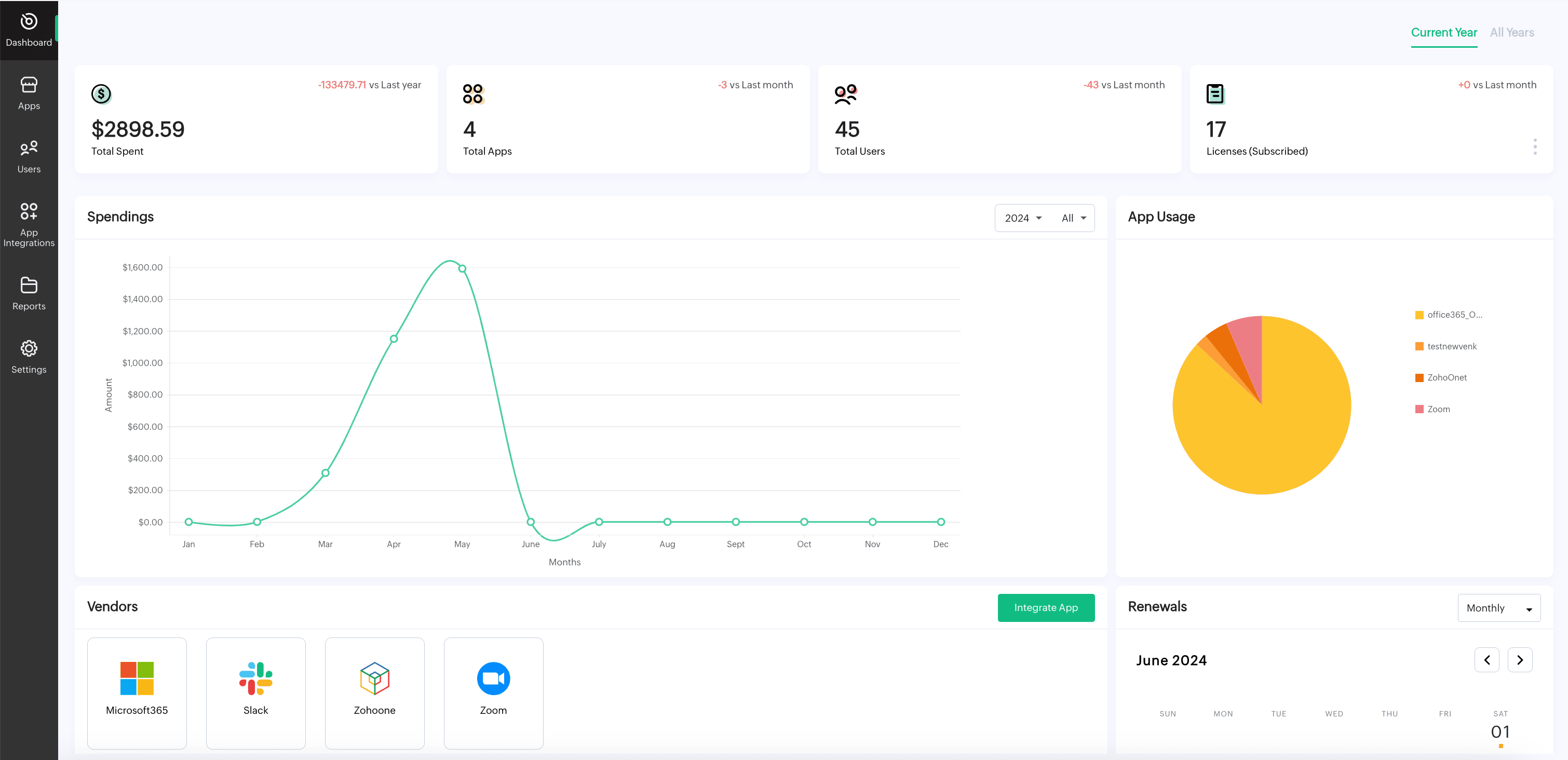
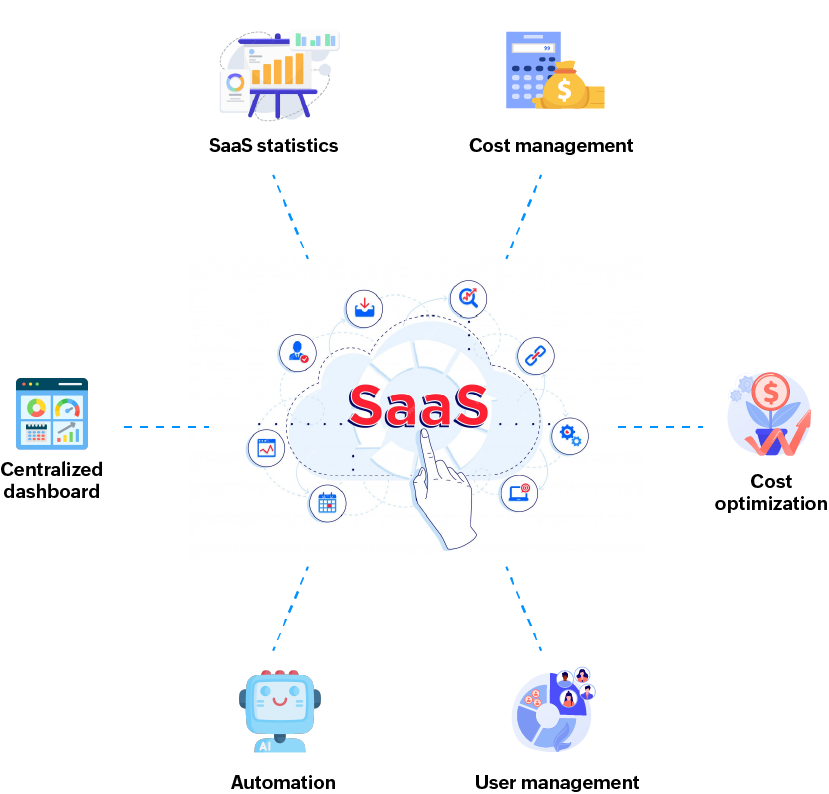
A centralized dashboard acts as the command center for SaaS management, offering a single-pane view of all applications in use. This feature helps IT and finance teams monitor:
A user-friendly interface with real-time updates simplifies navigation, making it easy to manage the organization's SaaS ecosystem efficiently. This consolidated view allows stakeholders to identify inefficiencies and take quick action to optimize software usage. Moreover, dashboards equipped with customizable filters and alerts ensure that decision-makers can focus on the most critical insights without being overwhelmed by data.
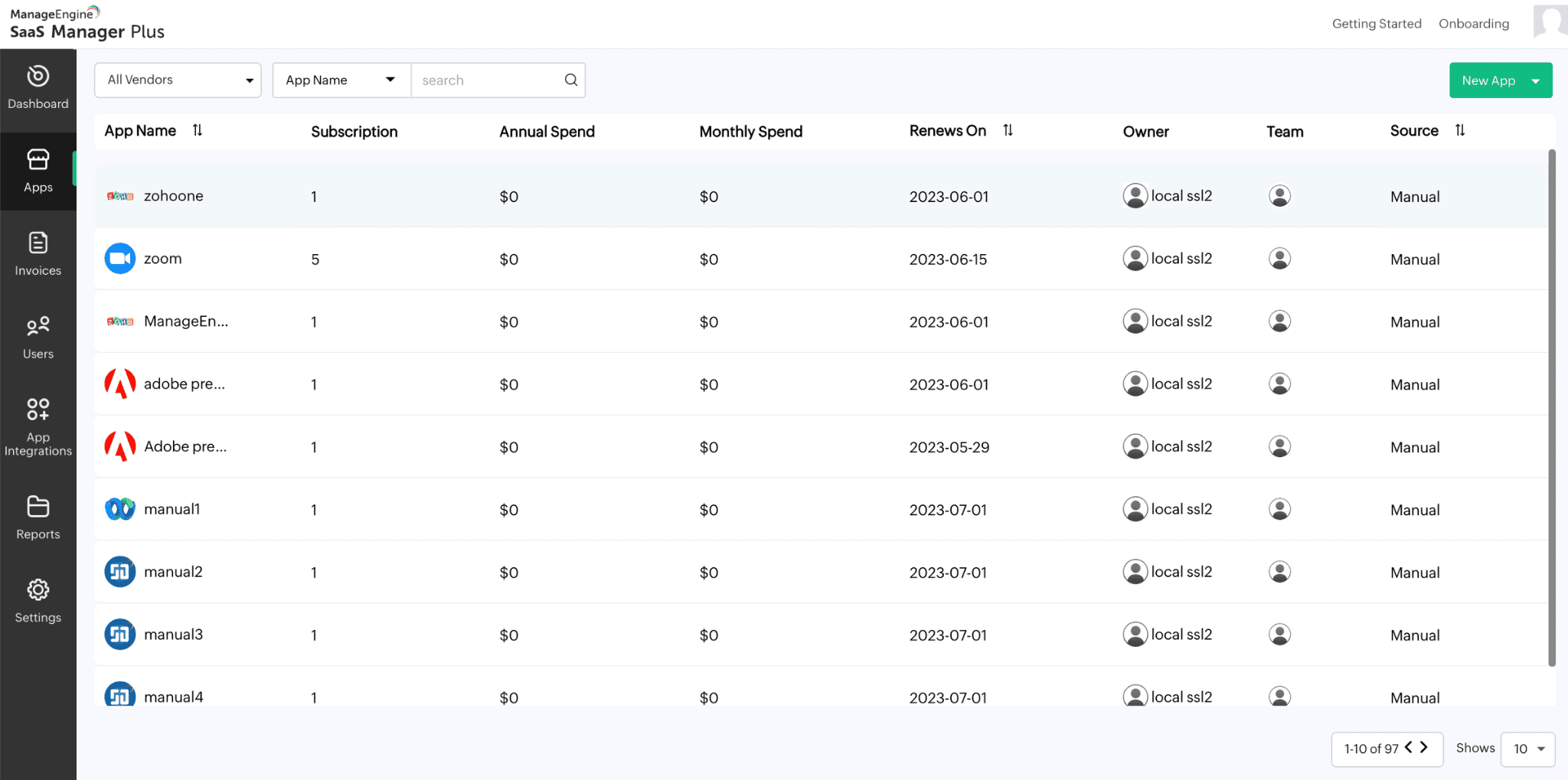
Unused and duplicate licenses contribute significantly to unnecessary SaaS spending. Without proper oversight, organizations risk paying for licenses they don’t need or failing to renew critical ones.
A strong SaaS management tool enables businesses to:
This prevents overspending and ensures compliance with vendor agreements. Additionally, automated license audits help organizations stay compliant with software usage policies and avoid financial penalties. By aligning licenses with actual demand, businesses can also reallocate unused licenses to departments that need them, optimizing overall resource allocation.
SaaS costs can quickly spiral out of control without a clear understanding of application usage and expenses. A good SaaS management platform provides cost optimization features that:
By leveraging these insights, organizations can eliminate waste, consolidate applications, and allocate their software budget more effectively. Regular cost analysis also enables businesses to forecast future SaaS expenses and plan budgets accordingly. Additionally, visibility into cost trends helps organizations identify seasonal fluctuations in usage and adjust their subscriptions to avoid unnecessary spending.
Security is non-negotiable when managing SaaS applications. A strong SaaS management platform helps businesses enforce access controls, monitor user activity, and ensure compliance with regulatory standards such as the GDPR, HIPAA, and SOC 2. Key security features include:
These measures reduce the risk of data breaches and regulatory penalties. Additionally, continuous compliance monitoring ensures that security protocols remain up to date with evolving industry standards. Automated alerts for potential security threats allow IT teams to take immediate corrective action, minimizing risks.
Managing user access across multiple applications is critical to maintaining security and operational efficiency. Automated user management ensures:
With automation in place, IT teams can prevent unauthorized access and ensure employees have the tools they need from day one. This also minimizes security risks associated with ex-employees retaining access to company resources. By centralizing user access controls, organizations can ensure that access privileges are always aligned with job roles and responsibilities.
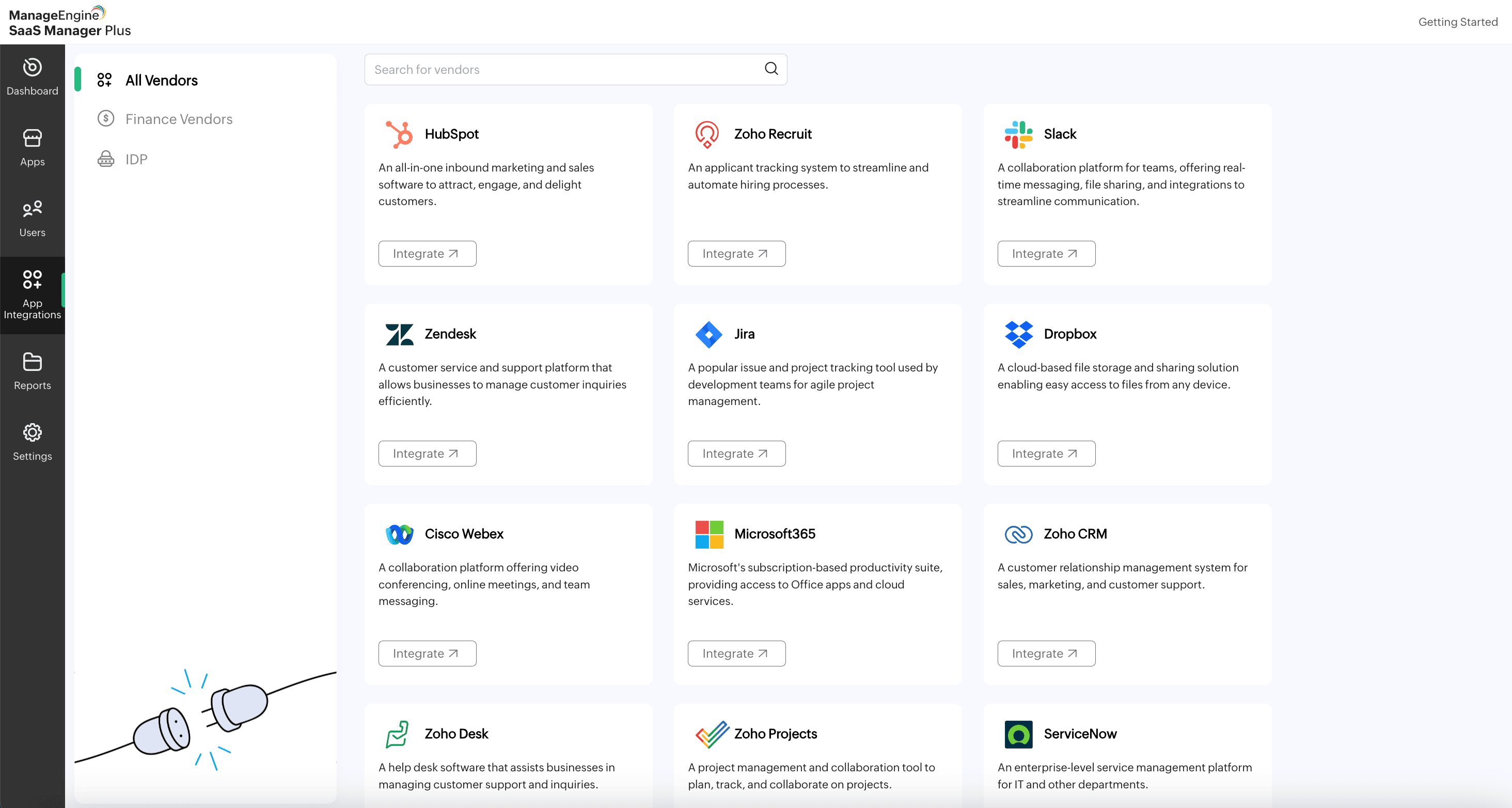
A SaaS management platform should integrate seamlessly with other business tools such as:
Integration capabilities enhance interoperability, ensuring that SaaS management is embedded within the organization's existing IT ecosystem. This eliminates the need for manual data transfers and reduces the risk of inconsistencies across platforms. Additionally, deep integrations enable automated workflows, such as triggering IT support tickets when application issues arise, further streamlining operations.
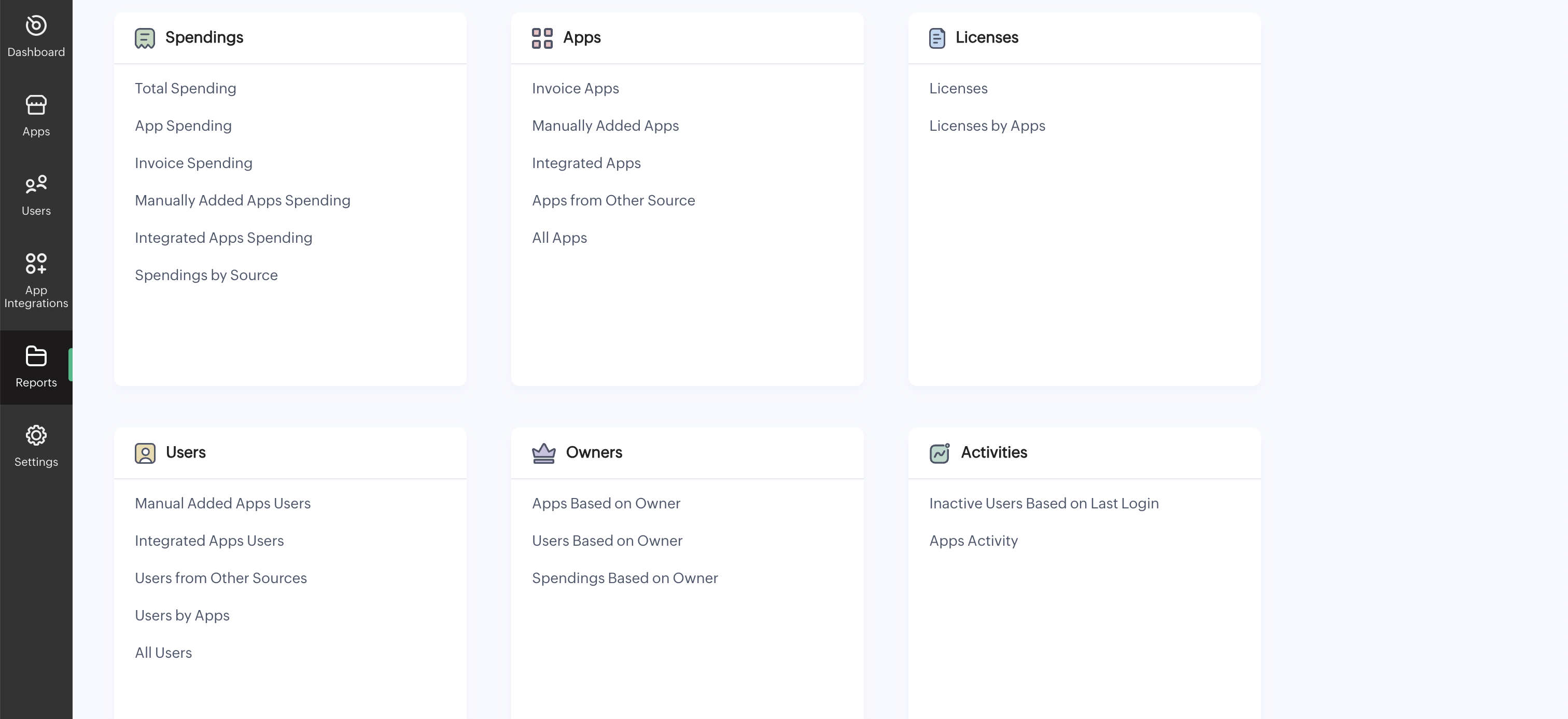
Data-driven decision-making is only possible with accurate, up-to-date insights. A robust SMP provides:
These insights empower IT and finance teams to make informed decisions, optimize software investments, and maintain compliance. Advanced analytics features can also predict future SaaS needs based on historical usage patterns, helping businesses proactively adjust their software stack. Moreover, interactive dashboards with visualization tools enable stakeholders to easily interpret complex data and take action.
Automation simplifies SaaS management by reducing manual workloads and human errors. Key automation features include:
By leveraging automation, IT teams can focus on strategic initiatives rather than getting bogged down with routine tasks. Automated workflows also reduce administrative burden by streamlining approval processes for new software requests. Additionally, proactive automation ensures that compliance reports are generated on schedule, making audits hassle-free.
Effective SaaS management involves more than just tracking applications—it also includes maintaining strong vendor relationships. A comprehensive SMP offers vendor management capabilities, allowing businesses to:
This ensures that businesses are making cost-effective and strategic software investments. With centralized vendor tracking, organizations can avoid unnecessary contract renewals and negotiate better terms based on actual usage insights. Additionally, performance reviews help businesses ensure they are partnering with vendors who provide value and strong customer support.
As businesses grow, so does their SaaS ecosystem. A good SaaS management platform should be scalable, allowing organizations to:
Scalability ensures that organizations can maintain long-term efficiency as they expand. A flexible SaaS management solution also allows businesses to customize features as their needs evolve, avoiding the need for costly software migrations. Moreover, cloud-based SMPs offer dynamic scaling, ensuring seamless performance even as the organization’s software environment grows.
Learn how to choose the right SaaS management platform for your organization.
Investing in a SaaS management platform offers significant benefits, including:
Selecting the right SMP involves careful evaluation. Consider the following factors: Ease of use and integration: The platform should be user-friendly and
Research different platforms, read customer reviews, and conduct trials to find the best fit for your organization.
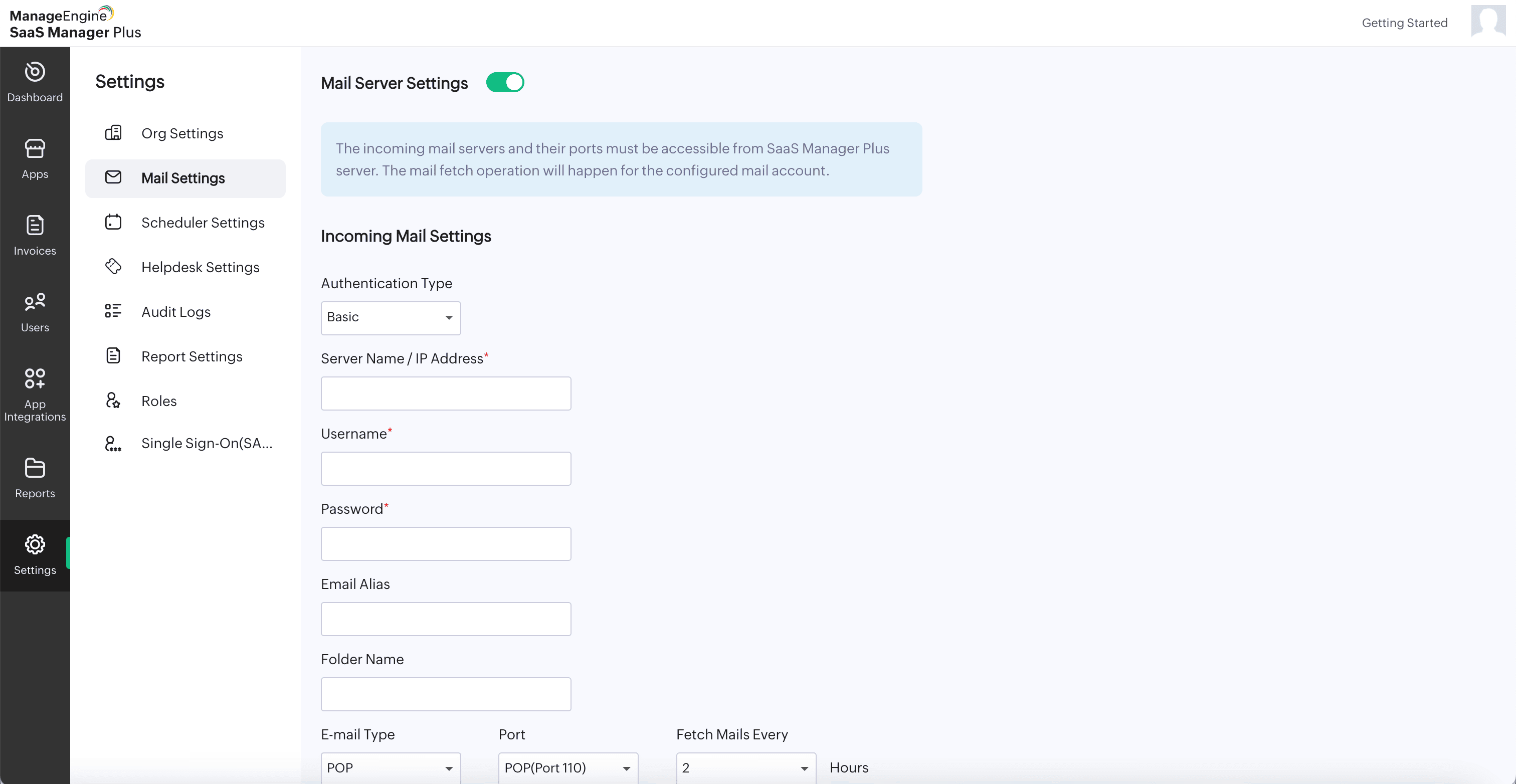
SaaS Manager Plus helps businesses take full control of their SaaS environment with a complete set of tools for visibility, cost savings, and security. It automatically discovers all SaaS applications in use, including shadow IT, and tracks license usage, and highlights underutilized tools to reduce waste. With automated provisioning and license management, it simplifies user management and improves operational efficiency. Real-time dashboards, usage reports, and renewal alerts give teams the insights they need to make smarter, cost-effective software decisions.
To maximize the benefits, businesses should evaluate multiple solutions, prioritize their needs, and implement a comprehensive SaaS management strategy. By doing so, they can harness the full potential of their SaaS tools while minimizing risks and costs.
Learn more