
The 2017 S3 breach: When four buckets exposed an entire client base
Year of occurrence: 2017The incident Publicly exposed AWS S3 buckets containing sensitive corporate and client data
A global IT consulting giant left four Amazon S3 buckets publicly accessible, allowing anyone with the bucket URL to read their contents without authentication. The buckets stored plaintext credentials, API keys, SSL certificates, internal documentation, and master keys. The exposure likely stemmed from development resources moved to production without proper access control reviews.
This misconfiguration revealed sensitive data belonging to the company and major clients, creating opportunities for social engineering, lateral movement, credential theft, and other targeted attacks.
Severity High
Public cloud storage misconfigurations remain one of the most common causes of large-scale data exposure. This incident showed how a single overlooked setting can place multiple organizations at significant risk.
How it impacted the organization
The exposed buckets:
Key exposure
Exposed internal keys and configuration files that could enable broader compromise.
Trust erosion
Eroded client trust and raised concerns among major enterprises and government agencies.
Phishing risk
Created opportunities for targeted phishing and credential-based attacks.
Regulatory risk
Triggered reputational and regulatory risks due to sensitive data exposure.
Governance gap
Highlighted gaps between cloud adoption speed and security governance.
With ADAudit Plus in place, organizations can
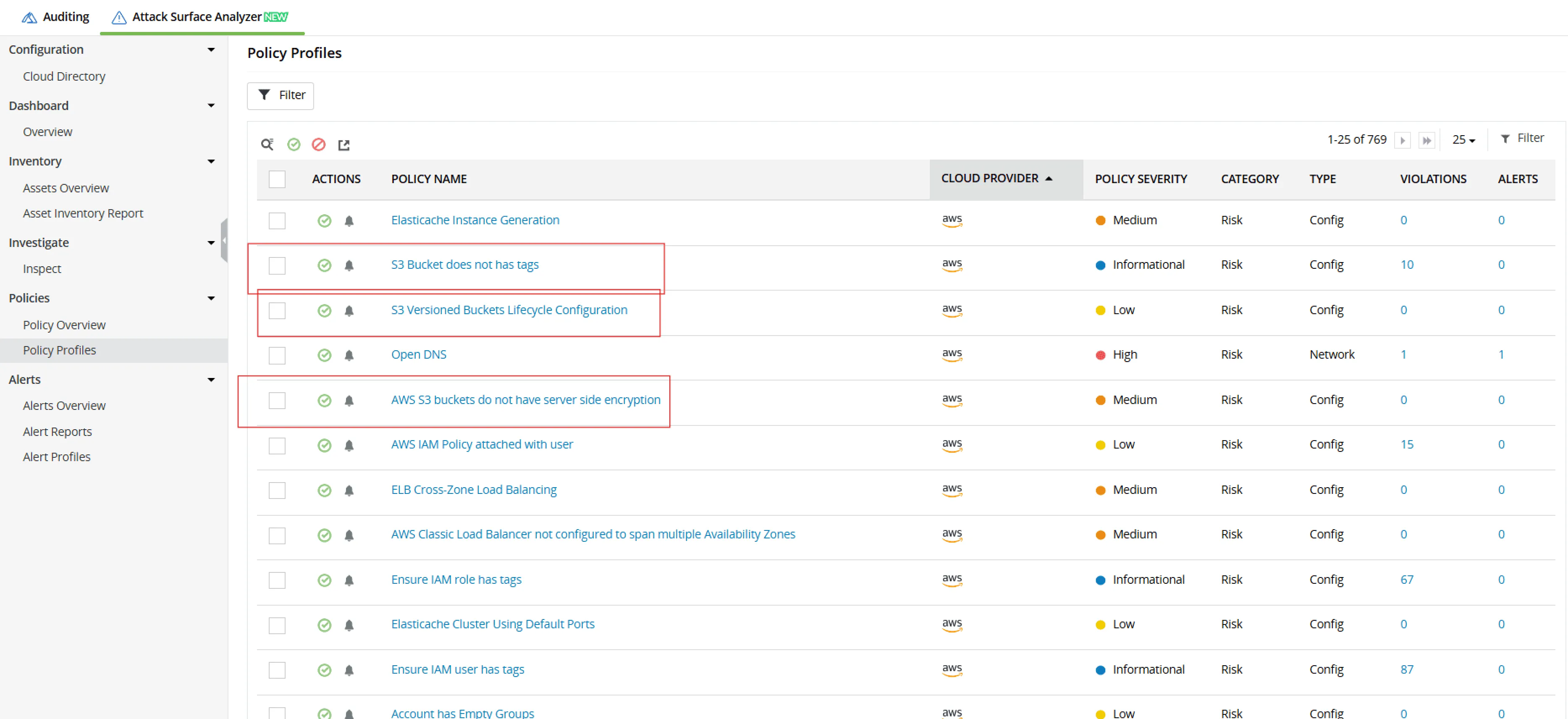
- Use dedicated S3 misconfiguration checks to identify publicly exposed or weakly secured buckets.
- Flag S3 buckets that do not block public access, helping teams spot internet-facing storage before sensitive data is exposed.
- Detectbuckets without server-side encryption, ensuring confidential files are not stored in plaintext. Identifies buckets relying on legacy access control lists, which often introduce overly permissive or unintended access paths.
- Identify buckets relying on legacy access control lists, which often introduce overly permissive or unintended access paths.
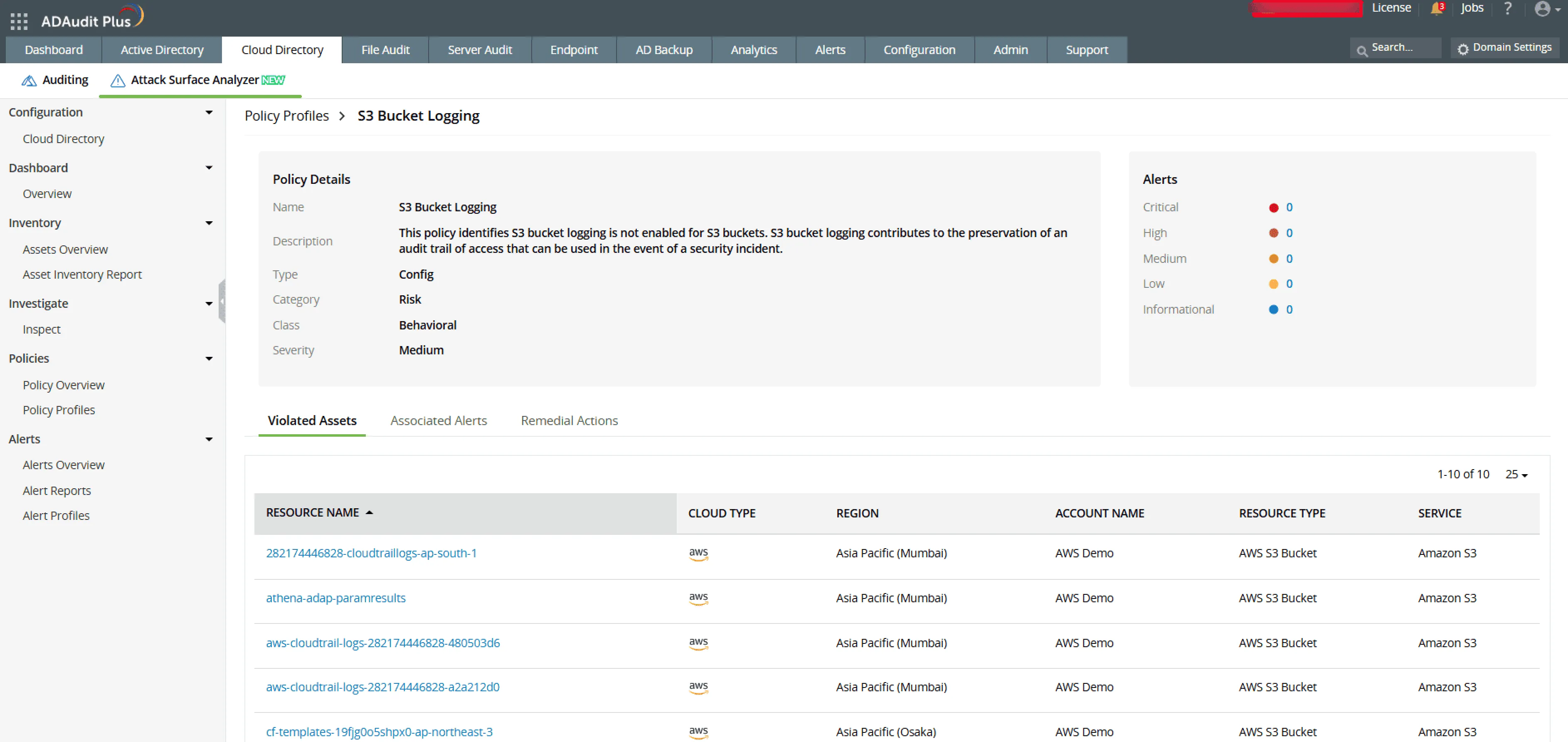
- Provide information on violated assets, alerts, and clear remediation steps to guide immediate correction of risky S3 configurations.
Outcome
This level of continuous visibility would have helped ensure exposed S3 buckets are detected early, long before sensitive data is put at risk.
More security stories

BadSuccessor: The silent domain takeover hiding in plain sight

CVE-2025-59287: When the patch server becomes the attack vector

Password spraying: How five months of silence went undetected