
Last updated on: August 13, 2025
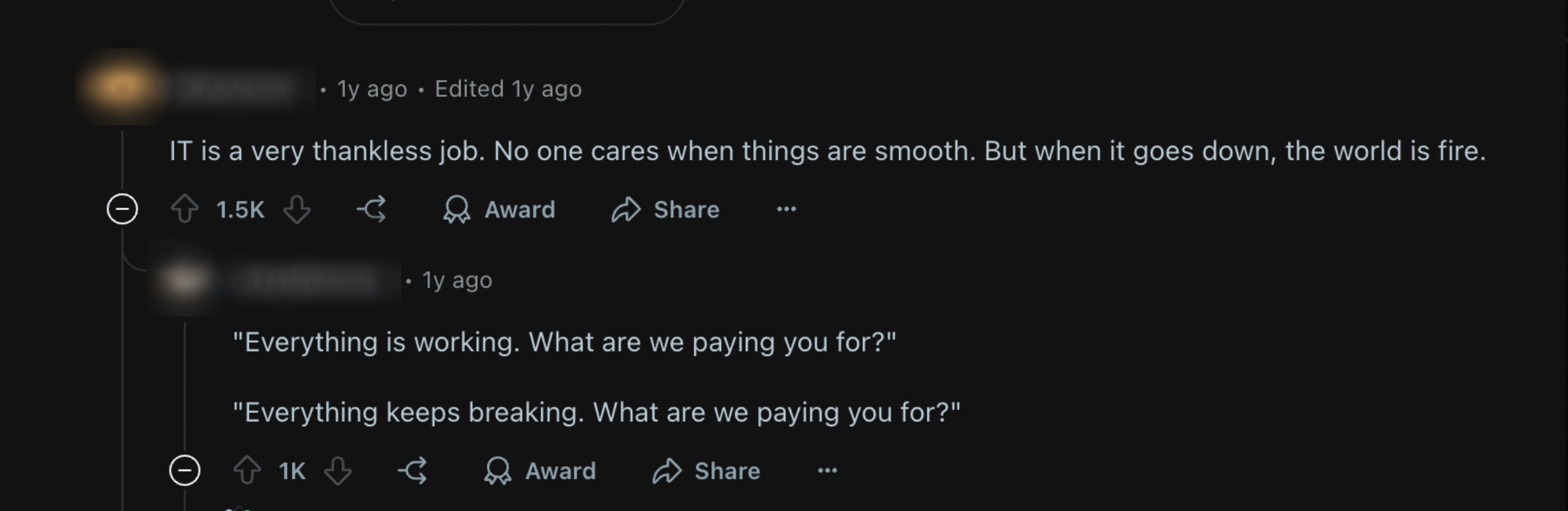
This Reddit thread perfectly captures a scenario playing out in overburdened service desks everywhere. In fact, 61% of IT professionals believe working in IT has adversely affected their well-being to a certain extent, according to a survey in 2024. As lean IT teams support larger businesses, workloads on service desks have increased exponentially, without any corresponding expansion of the workforce. Coupled with talent shortages, fluctuating economic conditions, and higher uptime expectations, IT service desks are more hard pressed for results than ever before.
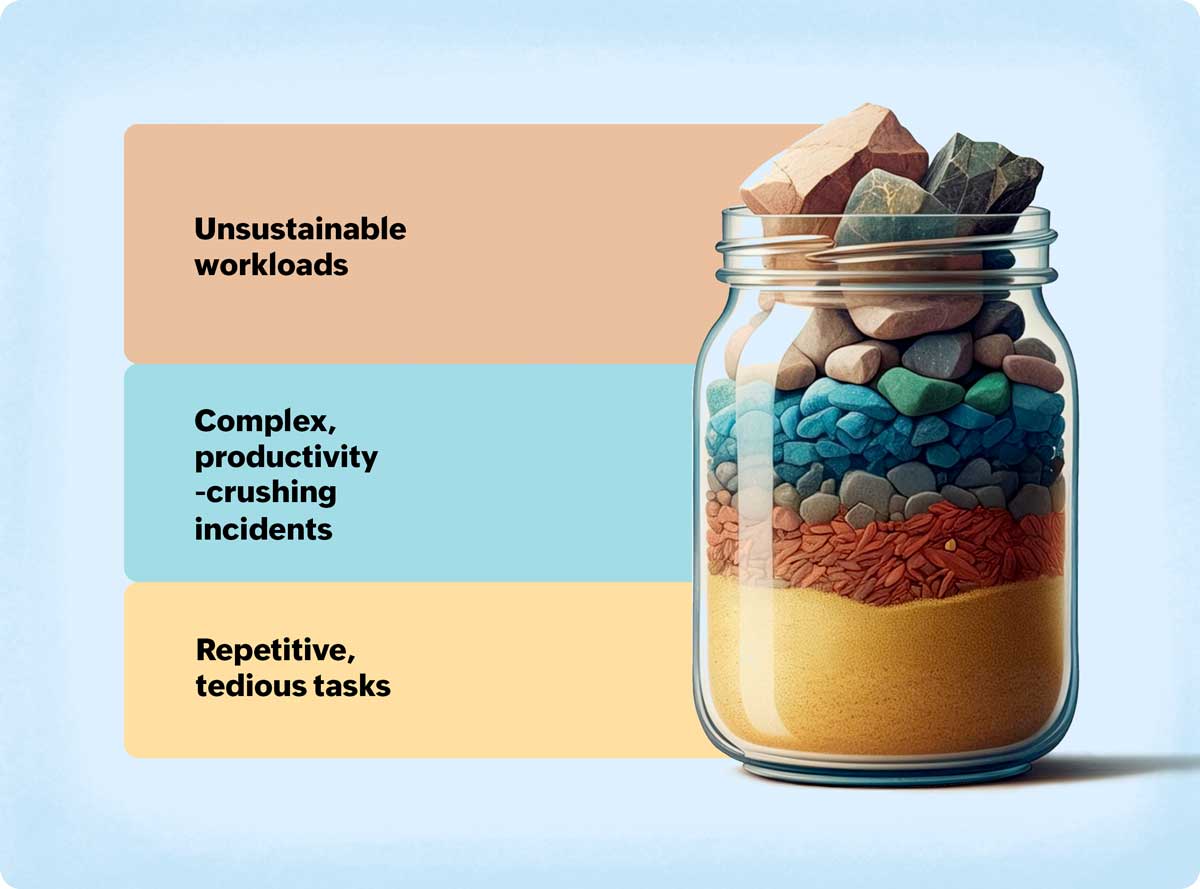
It's not just the complex, high-stakes problems like major incidents or change failures that burn out IT technicians and service desk analysts, but also the accumulation of repetitive, L1 support tasks like acknowledging and updating tickets, notifying stakeholders, and password resets.
While the conventional response to burnout may be to focus on wellness initiatives for service desk staff or encouraging them to take time off, without practical support like hiring more people or expanding the IT budget, the workload remains unsustainable. But there's hope. Tackling the root causes of IT burnout can truly help IT service desk personnel balance their workload without sapping their mental health. This includes:
In this article, we'll explore how modern ITSM platforms, with workflow automation and AI capabilities, can help resolve the causes of IT burnout. Discover ITSM strategies that reduce ticket volume, improve self-service, eliminate monotony, and prevent unsustainable multi-tasking across apps, for a happier, healthier IT service desk.
Beyond the ticket queue: What causes IT burnout?

There are several core stressors and bottlenecks that might be putting your IT technicians on the path to burnout. Some of them are:
1. High-volume monotony: Repetitive L1 tickets and ticket management
With enterprises expanding their operations and relying more on IT to digitize their internal operations, service desks are experiencing a surge in the most mundane tickets, like:
- Password resets.
- VPN access.
- Software requests.
Added to these tickets are the usual administration tasks like routing tickets to the right personnel, updating their status, and keeping all stakeholders in the loop. Ticket handling and ticket administration—when both of these spectrums of IT service desk operations are performed manually, it drains your workforce and leads to burnout.
2. High-stakes gamble: Major incidents, IT service delivery, and change implementations
When "always-on" is the mantra for business success, major outages are a no-go, and the pressure is on incident response teams to act swiftly. The same expectation is levied on IT service delivery managers during projects like large-scale employee onboarding and offboarding. IT changes are expected to cause minimal friction and need to be properly planned, approved by the right change advisory board, and implemented meticulously.
As the modern adage goes, “When everything is urgent, nothing is urgent.” When all of these ITSM operations are marked high priority, and performed without a structured approach or any level of automation, they can cause burnout among your IT specialists—even veterans of the trade.
3. The swivel-chair problem: Juggling multiple tools, leading to cognitive overload
When all your IT systems are fragmented across a hybrid IT landscape, IT technicians and support engineers tab-hop between multiple apps and dashboards to firefight incidents and deliver IT services. During an ERP outage, technicians juggle observability tools, the ITSM platform, and collaboration tools like Microsoft Teams; or while handling employee onboarding and offboarding, they juggle UEM and IAM solutions while coordinating with HR, facilities, and finance teams.
4. The people factor: Bottlenecks in hiring and skilling initiatives
Beyond these operational causes, there are several people-centric issues that can result in service desk burnout. Most ITSM teams are lean in numbers, expected to handle a large volume of tickets, and insufficiently trained and overworked, without access to the resources they need to resolve tickets.
Understaffing relative to service demands creates an unsustainable workload for service desk teams. Skill gaps create bottlenecks for specialized issues when certain team members are the only technicians who can resolve a class of tickets. Inadequate training on new technologies or processes leaves staff feeling unprepared and stressed. While these problems cannot directly be addressed through technological means, there are effective ways of solving people-centric issues as well.
A tech-led approach to prevent burnout in ITSM professionals
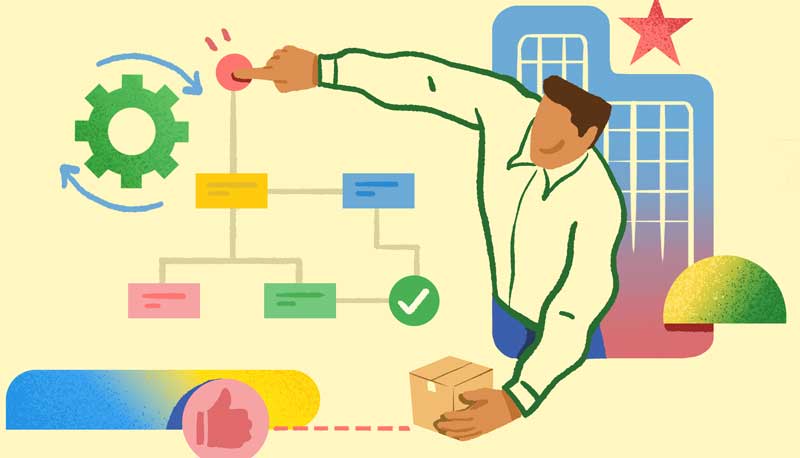
When the most mundane, time-consuming activities and critical workloads are automated, technicians can concentrate on higher-level tasks. This reduces the toll that working at an IT service desk can create.
Eliminating repetitive toil with rule-based automations and AI
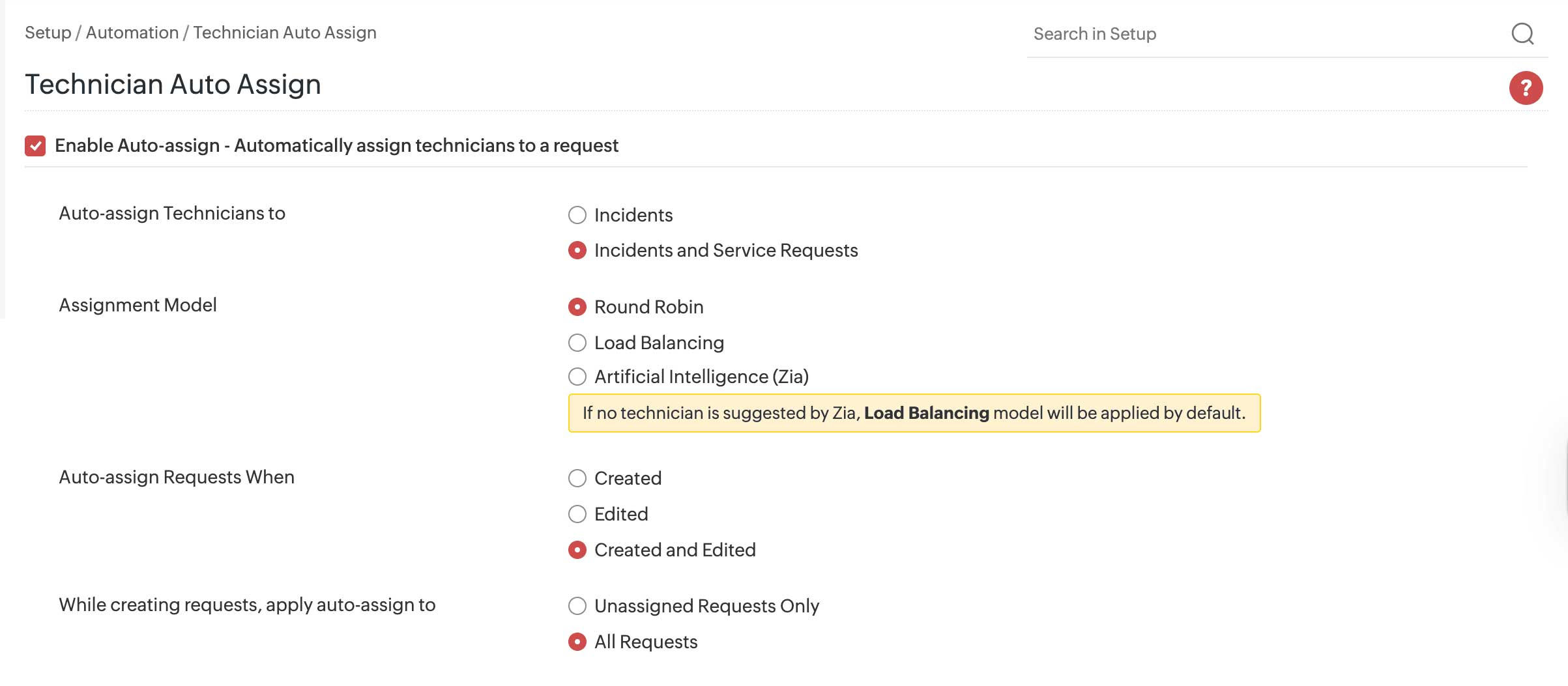
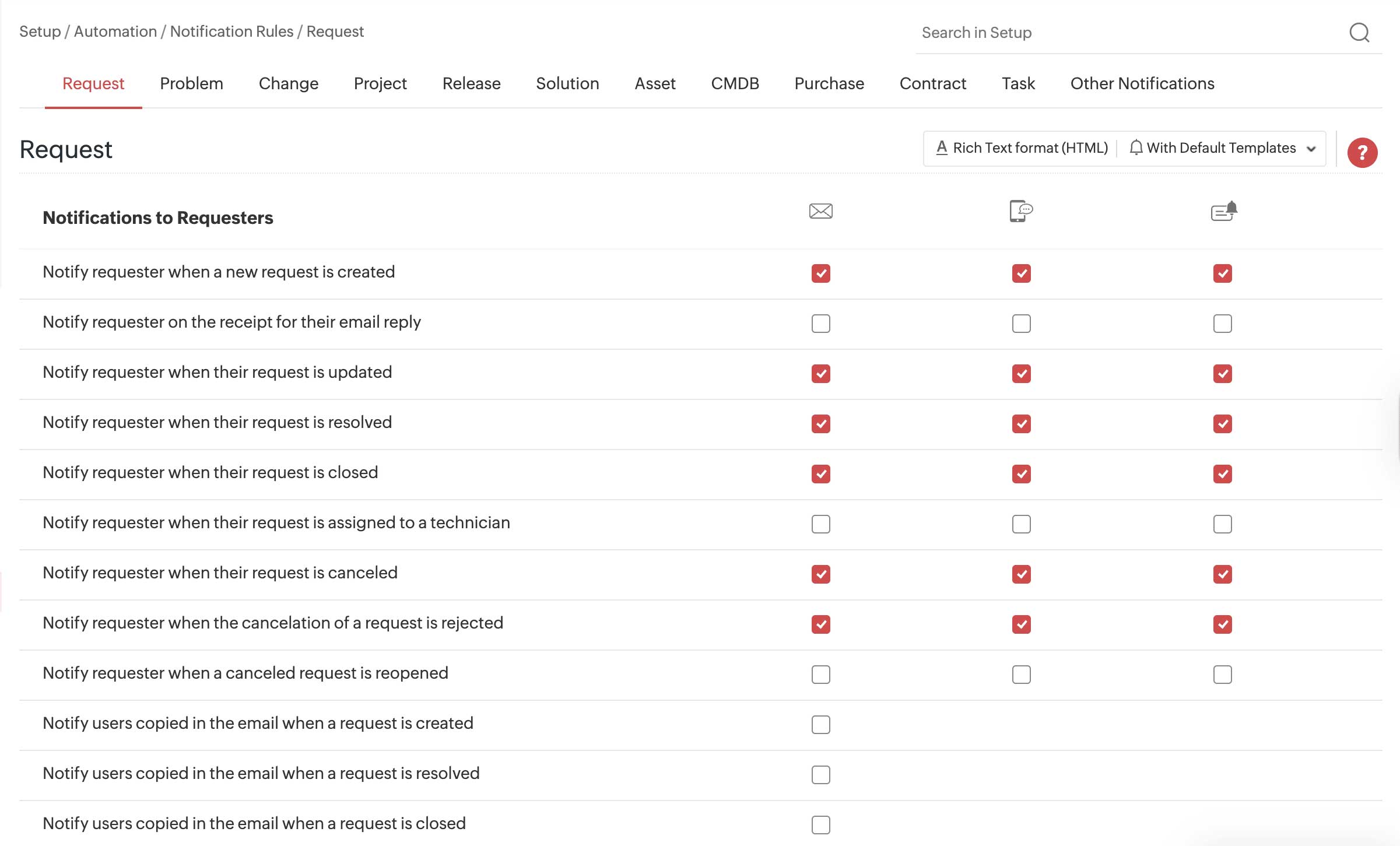
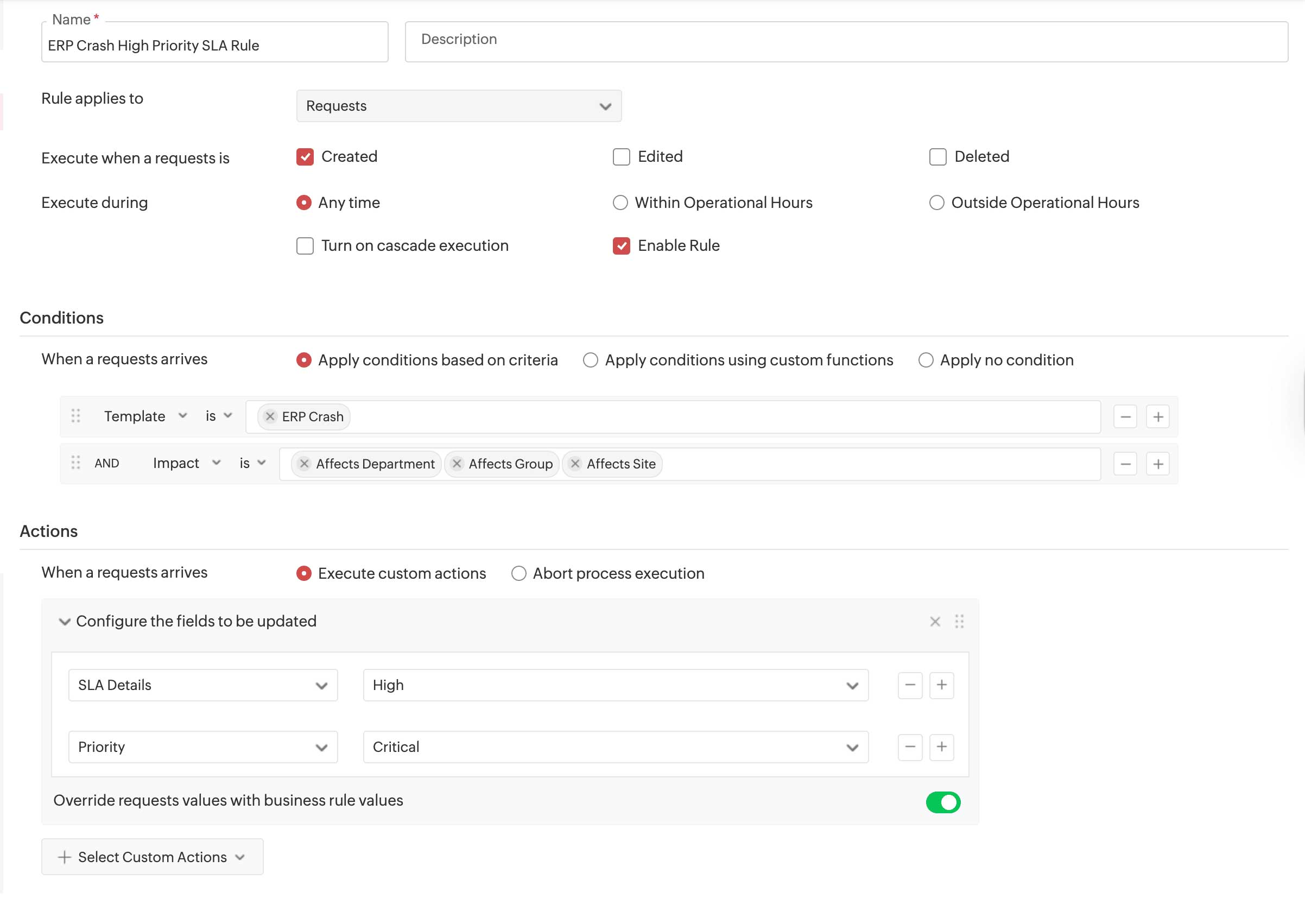
Rule-based automations are low-hanging fruit when it comes to ITSM platforms. Here are some examples of what they can be set up to perform:
- Assigning tickets to the right technicians with quota thresholds so they're not overloaded.
- Automating the notification mechanism.
- Triggering SLA-based escalations.
But it gets better. Advancements in AI-driven ITSM can help offload everything from triaging and routing tickets to the right technicians to clustering incidents and identifying problems with ML-driven algorithms. IT service desks can now leverage GenAI to level up knowledge management by sharing summarized excerpts of private knowledge base articles and simultaneously improve and expedite service desk communication. Here are some AI capabilities that can help prevent burnout caused by L1 tickets:
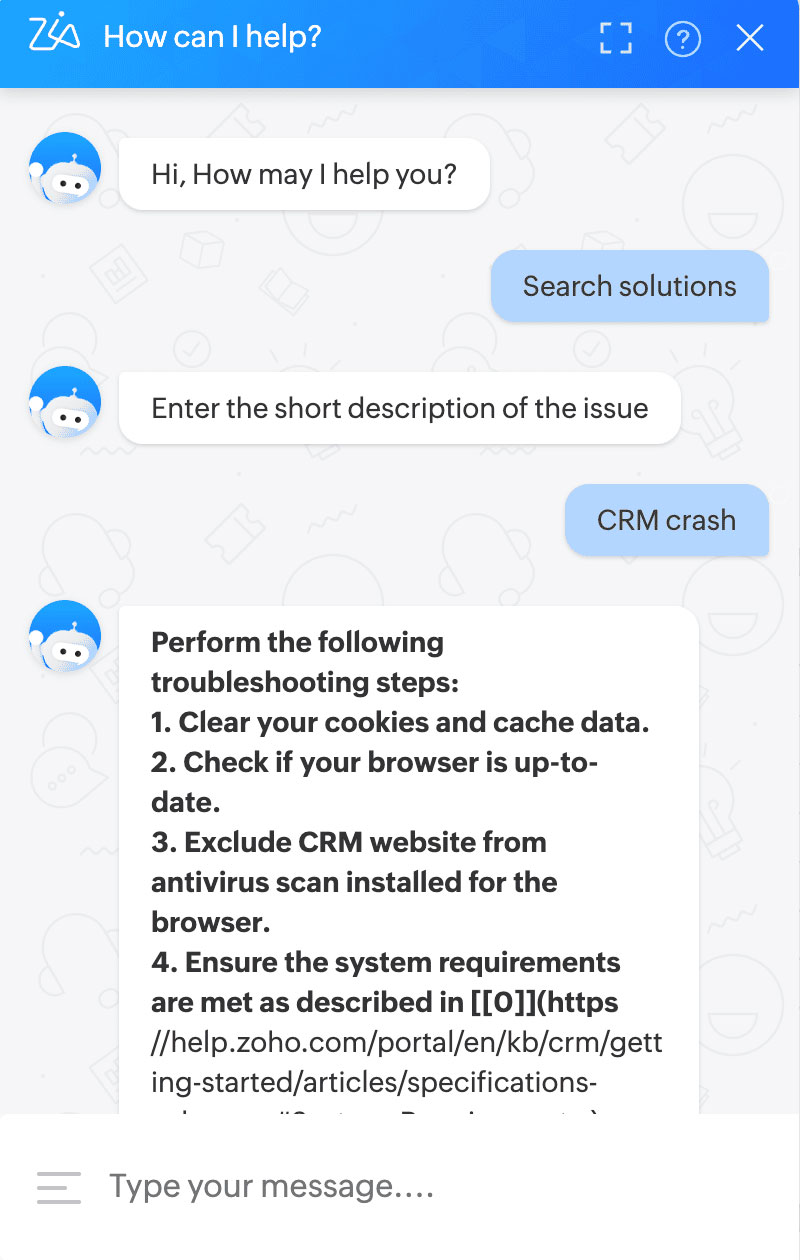
- RAG powered knowledge discovery: Chatbots within ITSM platforms utilize retrieval-augmented generation (RAG) models to understand an end-user query, fetch the relevant KB articles, feed them to an LLM, and then summarize it with citations to a private KB repository.
- Intelligent conversational workflows: Simple service requests, like access requests or password resets, can be automated end-to-end by letting a GenAI-powered virtual agent identify the intent of the end-user using natural language understanding and trigger the right workflows to resolve the ticket without any kind of manual intervention.
The convergence of conversational, generative, and predictive AI doesn't just prevent IT burnout; it transforms the everyday work of your IT technicians in a way that frees them from daily tedium, leading to elevated productivity and lower burnout.
Orchestrating incident responses and service delivery
Advanced workflow automations put service delivery and incident responses on autopilot, drastically reducing the need for manual supervision. For example, employee onboarding and offboarding form the bulk of service requests and can be completely automated. This typically involves working with multiple teams like HR, facilities, and payroll, synchronizing tasks between technicians across instances. By creating an onboarding workflow and setting up the right automations, these tickets can be handled with the least amount of technician intervention.
Instead of communicating with each technician individually, an onboarding workflow can orchestrate actions like:
- Creating an AD user account.
- Triggering notifications to stakeholders.
- Initiating the contract signing process through an e-signature tool.
- Adding that user into a facilities database.
- Assigning and provisioning their assets.

This sets up a standard operating procedure on a class of tickets, cumulatively reducing the toil. The same approach can be adopted for responding to major incidents like security breaches, where the initial containment measures such as locking down AD accounts, rotating passwords, and wiping corporate data on endpoints can be automated.
ITSM platforms as the connective tissue for your IT
When dealing with tickets that require deep context or information about devices, IT service desk technicians typically need to look up the IT asset inventory. An ITSM platform that offers ITAM and CMDB capabilities natively, reduces tab-hopping for technicians and the licensing costs for the organization. Also, ITSM platforms can be readily integrated with UEM solutions, enabling quick responses to incidents and rapid provisioning of software requests within a single console.
Integrating with observability tools help service desks identify early warning signs of a major incident, like memory issues on a critical server or anomalous traffic through a network router. Alarms can be automatically logged as incidents and escalated to the right specialists even before an outage occurs. These contextual IT integrations ensure that cross-functional context is carried into the ITSM platform, eliminating the need to multitask across apps and reducing cognitive overload.
AI: The new-age cure
for IT burnout

AI adoption is already prevalent, with 82% of IT professionals stating that their organization had already implemented AI features and capabilities within their ITSM practices, according to a recent ManageEngine survey, The advent of AI agents in ITSM. AI assistants in ITSM solutions can handle sophisticated tasks, including analyzing the potential impact of a change across services and highlighting conflicts and risks before they become critical. These change risk predictions are derived from historic change management data, helping avert change-led outages and reducing needless anxiety and eleventh-hour stress.
GenAI within ITSM platforms can also assist with mundane, high-volume tasks that overwhelm your service desk, such as:
- Drafting responses to tickets.
- Summarizing incident reports.
- Suggesting and generating KB articles.
- Incident analysis and comparison to past resolutions.
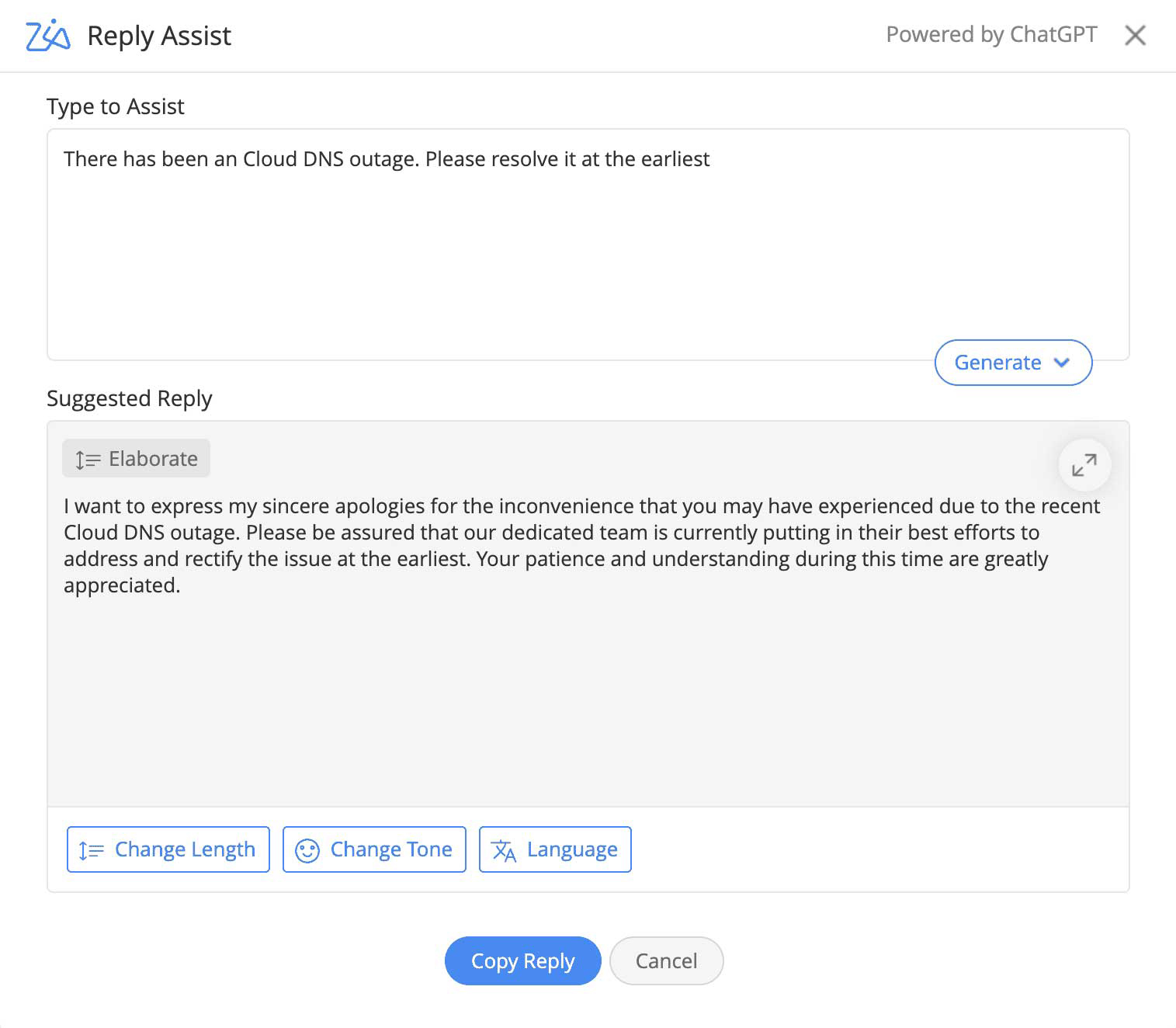
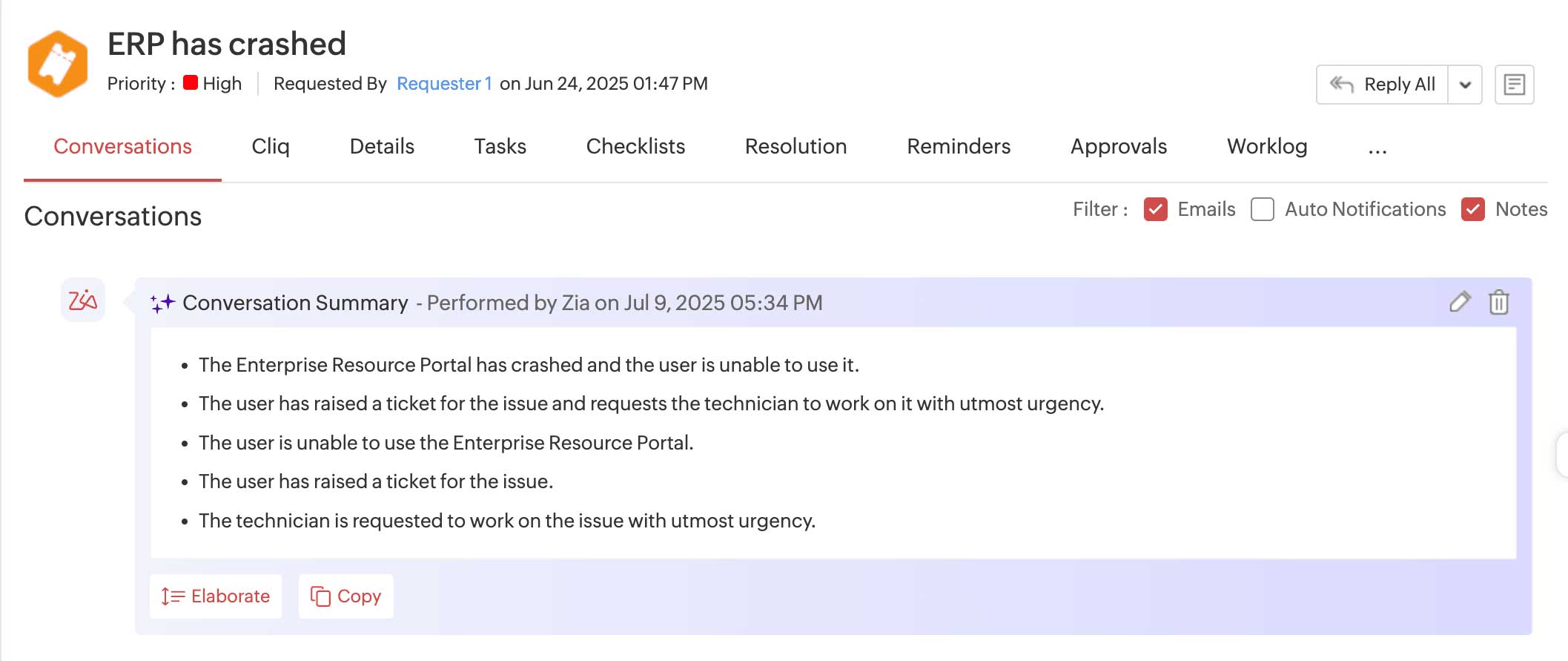
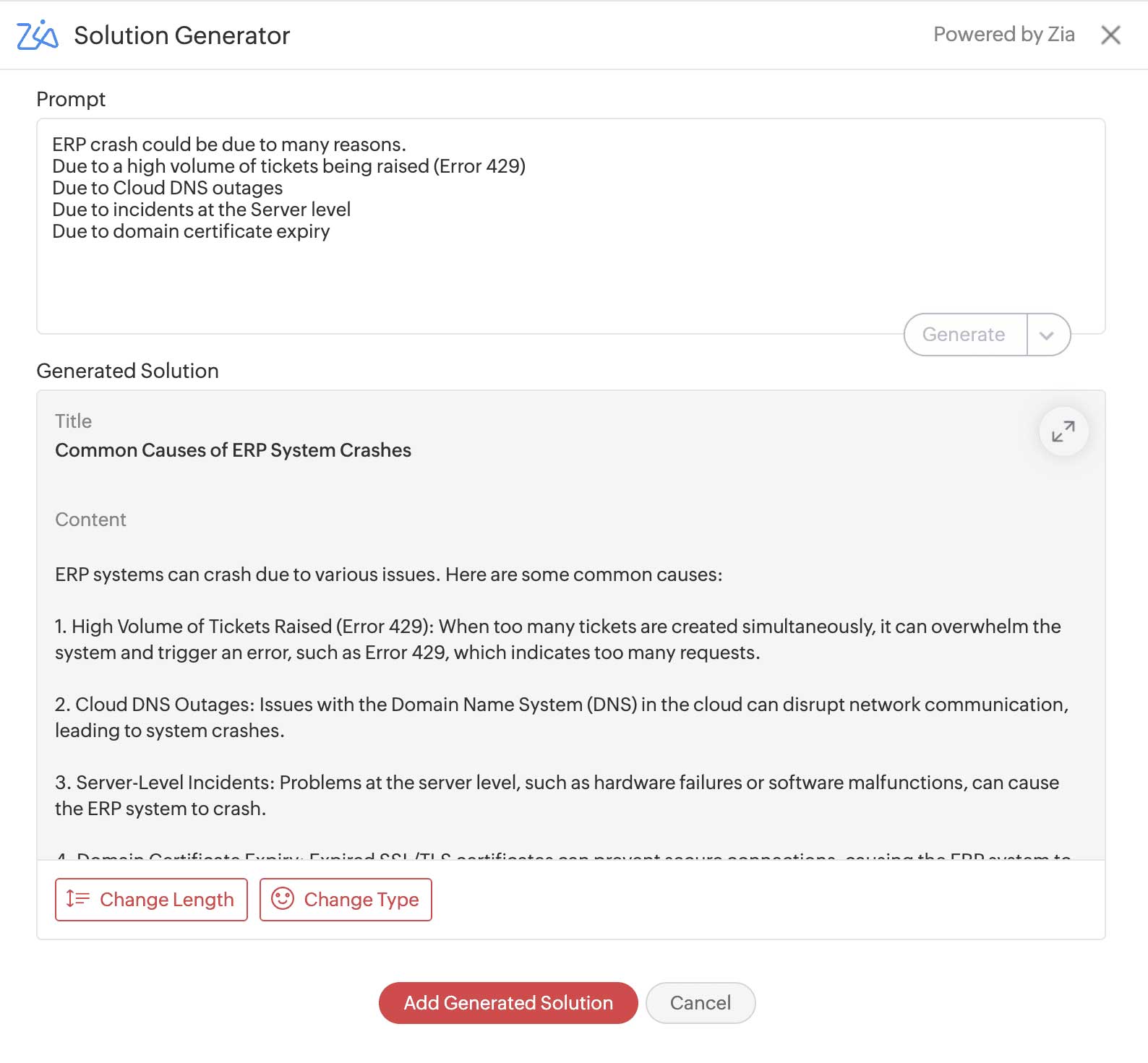
This frees up your technicians to focus on problem solving and service delivery instead of being held up with
administrative overhead.
Can agentic AI usher in burnout-proof ITSM?
In ITSM, AI agents function as an autonomous digital service desk workforce that leverage AI to understand the IT environment, make decisions, and take actions to achieve specific goals with minimal human intervention.
An incident response AI agent can:
- Autonomously log tickets.
- Diagnose issues.
- Chat with end users to gather more information.
- Extract knowledge from across the enterprise.
- Deliver a fix rapidly.
All of this is achieved without technician intervention, except where deemed necessary by your organization,
such as approvals.
And the major advantage of AI agents? Instead of leveraging AI at several touchpoints in a workflow, an AI agent can automate the workflow from end-to-end, serving as a digital employee, driving savings, profits, and consistency in IT service delivery. This sidesteps the need to build and constantly refine workflows and automations, delegating the heavy-lifting to AI agents who automate the execution of the chosen workflow from end-to-end, with technician supervision.
According to our recent survey, The advent of AI agents in ITSM, 38% of IT professionals think that IT technicians would work with, rather than be replaced by AI agents, and 30% think that AI agent use would free IT technicians up to focus on more complex tasks. Meanwhile, the top three worries about AI agent use are AI governance, data security, and privacy concerns. Given these concerns, IT service desks should evaluate specific use cases where AI agents can meaningfully deliver value without introducing risks into their existing ITSM operations.
People-centric approach: Employee empowerment and continuous improvement
While we addressed several causes of IT burnout that can be remediated through ITSM platform capabilities, there are several outstanding causes that are centered around workforce shortages and skilling issues. IT service desk leaders should keep track of workload distribution, escalation rates, and SLA targets to ensure they reflect the ground reality.
Leaders must focus on continuous improvement of the service desk and its practices rather than targets and drive improvement through iterations. They should empower service desk professionals through continuous upskilling and relevant specialization training to help reduce technician overdependence and skill shortages.
One-size-fits-all SLA approaches don't work. Instead, service desks can create tiered response and resolution times that allow flexibility based on request backlogs and priority levels. Leaders can involve IT service managers and technicians in defining realistic SLA deadlines that account for daily workloads and team capabilities rather than arbitrary targets, eliminating the stress caused by consistently missed deadlines.
Finally, periodic internal surveys and exit interviews of your IT support team can identify cumbersome processes, ineffective tools, and systemic issues that metrics alone might miss and ITSM platforms might not solve. This data should drive evidence-based action when making improvements to ITSM practices.
Conclusion

Neglecting the root causes of IT burnout can lead to low morale and attrition, ultimately diminishing service desk productivity. By being cognizant of your team's challenges and identifying automation opportunities and areas where AI can step in, you can reduce or even prevent IT burnout.
From simple ticketing automations to advanced orchestrations and AI-driven insights, you can transform your operations in a way that boosts morale and productivity. AI agents, the latest evolutionary trend in ITSM, show immense promise in alleviating the workload and stress that that comes from working at a service desk.
By eliminating laborious, repetitive tasks, IT service professionals can focus on the challenging, rewarding aspects of their work without being overloaded. This shift not only prevents burnout but also cultivates a more engaged, efficient and ultimately, happier ITSM team.