
1. What are the key differences between ITSM and ITIL®?
ITSM is the practice of designing, delivering, managing, and improving IT services. It’s a broad discipline that covers everything from incident response to asset management.
ITIL®, owned and governed by PeopleCert, is a structured framework of best practices within the bigger ITSM universe. It helps organizations implement ITSM in a consistent and effective way.
- ITSM: What organizations do to plan, design, run, and improve IT services
- ITIL: One of the guides they can follow to do it well
2. What are ITSM frameworks and how are they used?
ITSM frameworks are structured sets of best practices that help organizations design and run services effectively. The most widely used are:
- ITIL: Comprehensive guidance for service management operations
- COBIT: Governance and control of IT
- ISO/IEC 20000: Certifiable standard for ITSM quality
- DevOps: Culture and automation principles for high-velocity delivery
Organizations adopt these frameworks to standardize processes, ensure compliance, and build a shared language across teams.
3. Can ITSM improve organizational efficiency?
Yes. ITSM improves efficiency by:
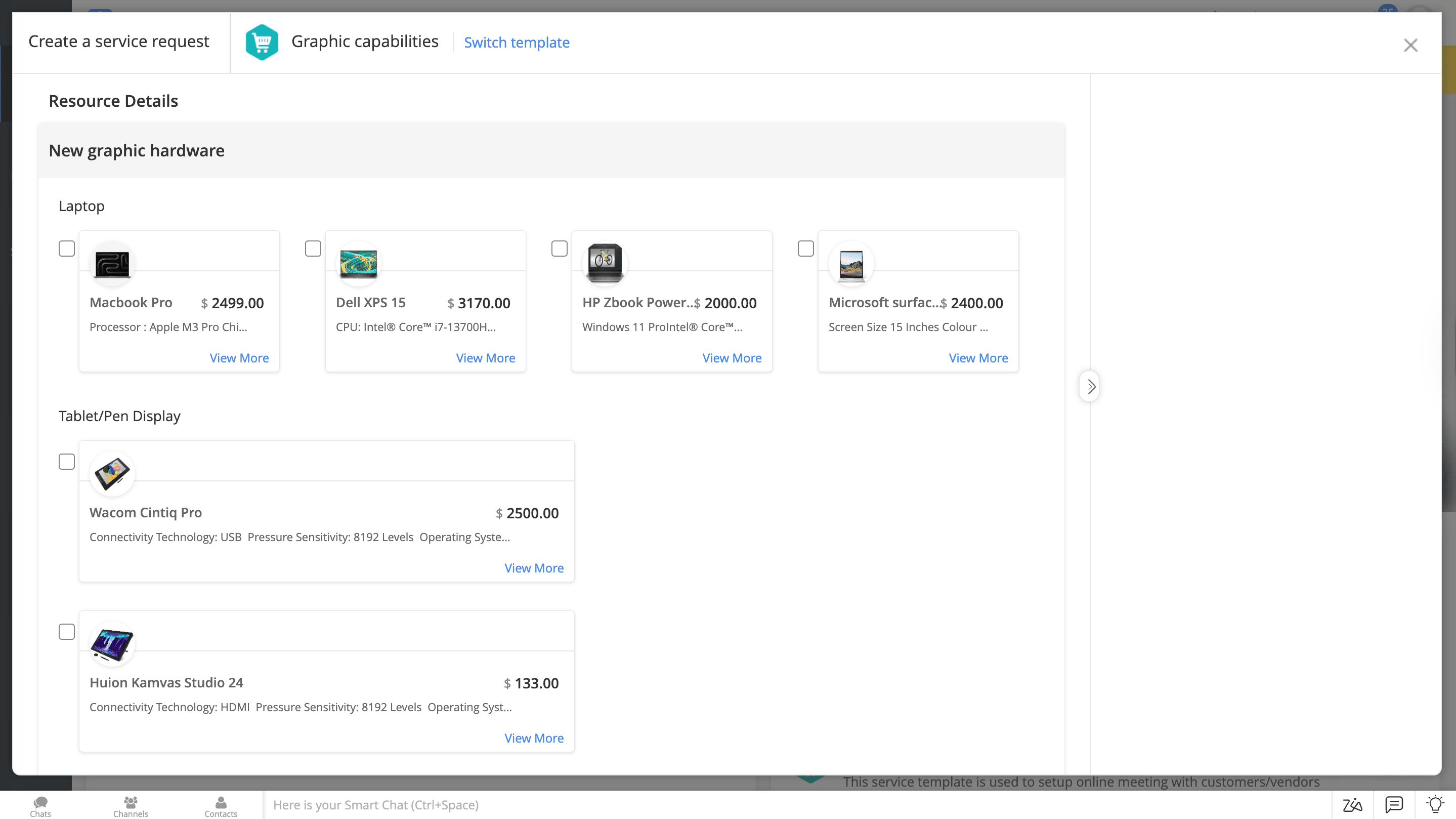
- Standardizing workflows like employee onboarding to minimize hand-offs and turnaround times, resulting in faster time to value for new hires.
- Automating routine tasks such as triaging, routing or sending approvals to speed up response and resolution times.
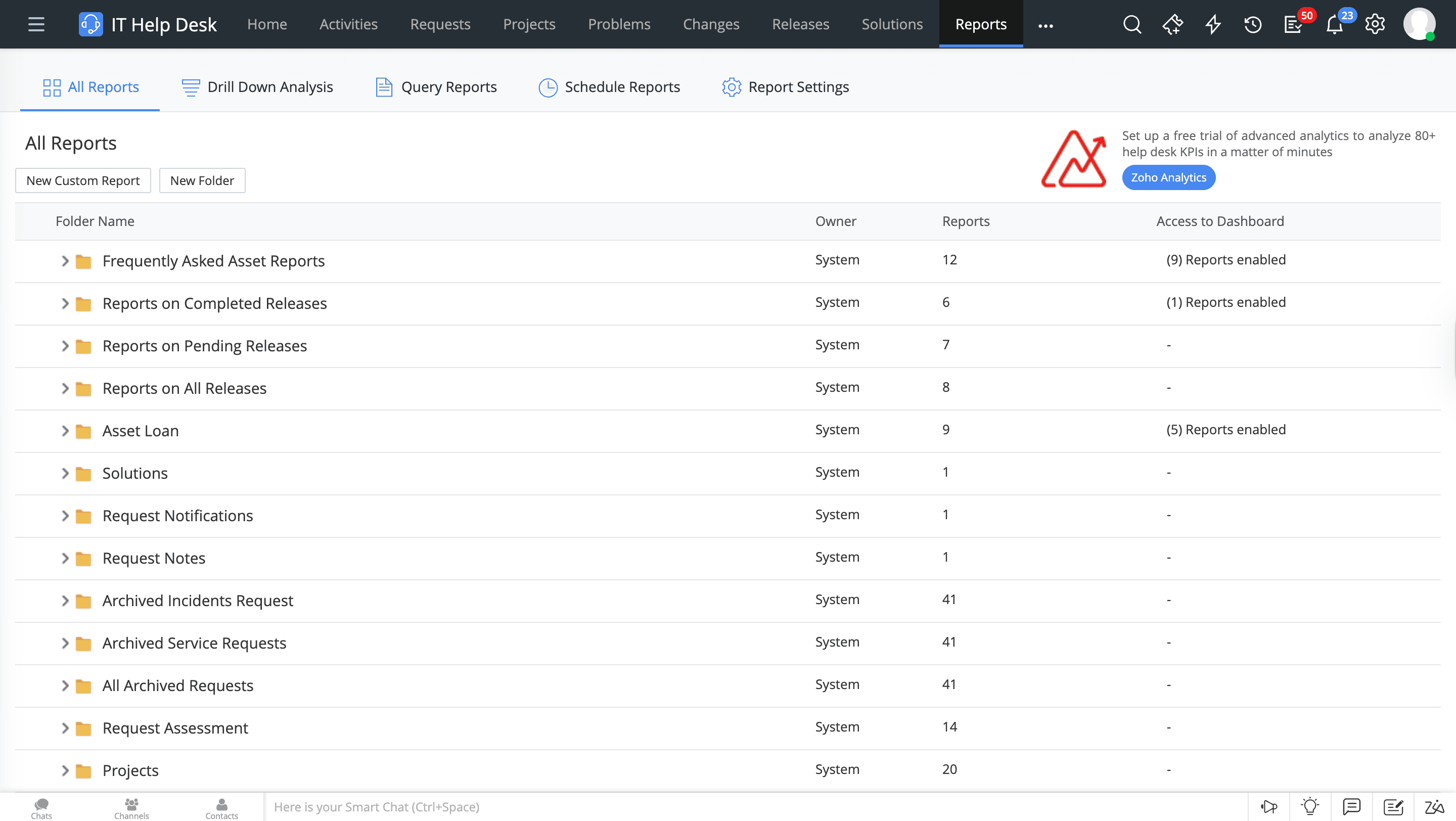
- Helping stay ahead of trends such as spotting SLA-violated tickets or identifying recurring issues, using dashboards and reports.
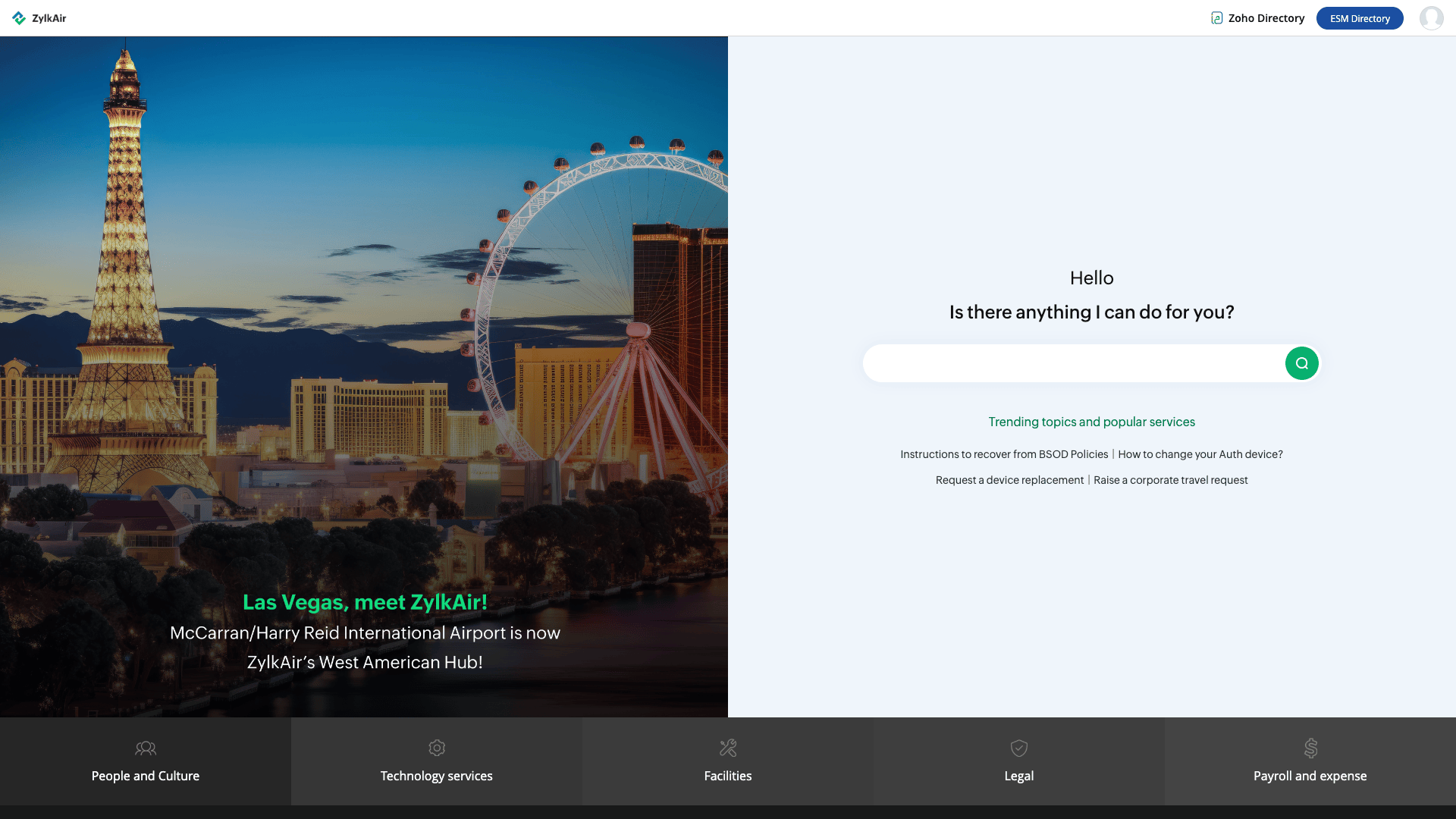
- Improving cross-team collaboration and service consistency through well-defined service catalogs and workflows.
- Reducing unplanned downtime through structured change and problem management practices.
When done well, ITSM transforms IT from a reactive function into a predictable, value-driven service organization.
4. How does AI work in ITSM?
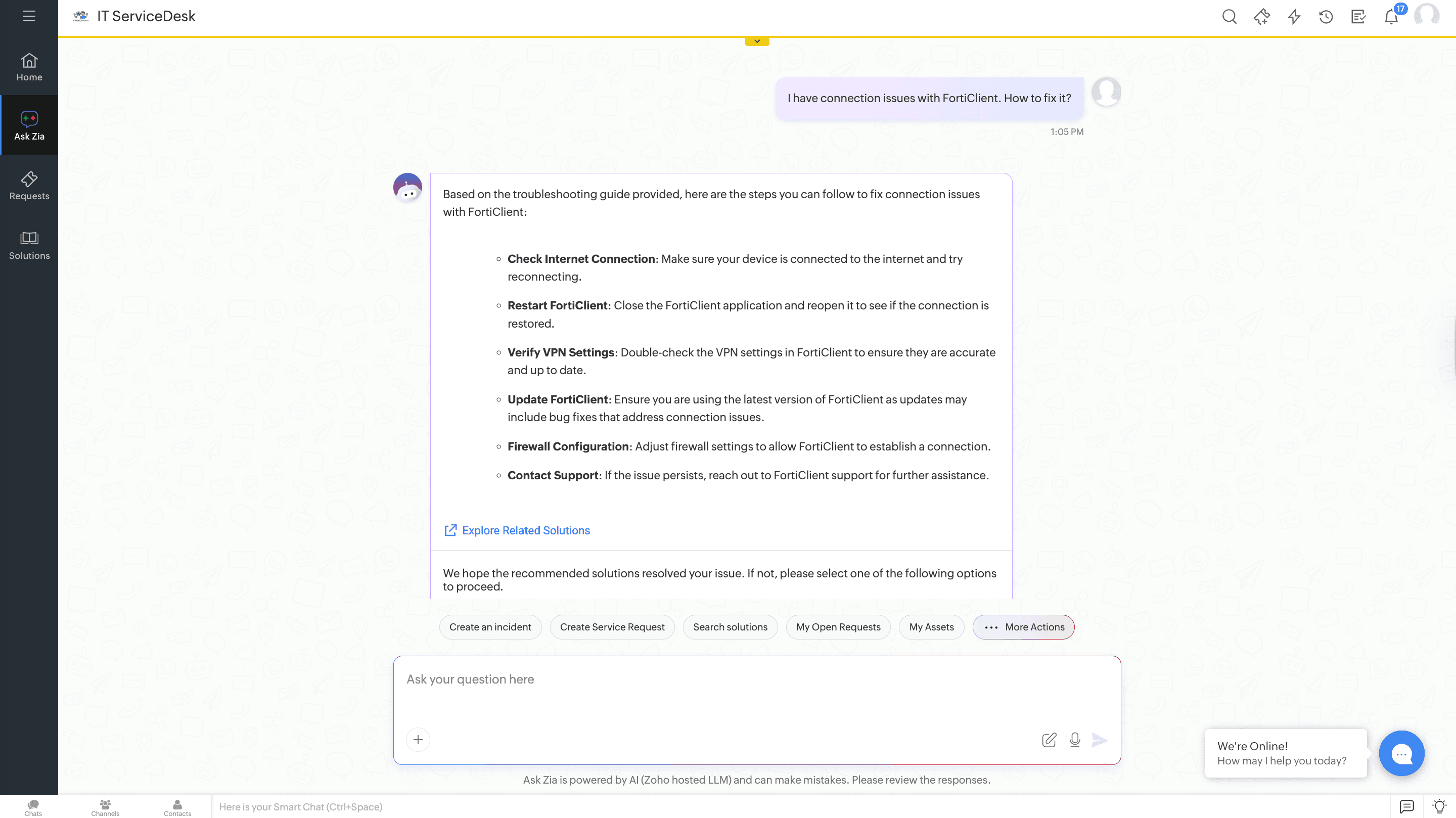
AI enhances ITSM by serving as a contextual intelligence layer that analyzes incidents, automates multi-step workflows, and guides decision-making. Unlike basic automation, modern AI, like agentic AI, understands context, predicts outcomes, and performs coordinated actions autonomously. This turns reactive IT operations into proactive, value-driven services. Common applications include:
- Conversational virtual agents that resolve routine issues instantly through an LLM-powered interface.
- Generative AI for ticket summarization, resolution suggestions, and knowledge article creation.
- Predictive analytics for intelligent triaging, routing, and forecasting of incidents and change risks.
- Sentiment analysis to gauge end-user experience