Recognized in the 2026 GigaOm Radar for Network Observability: What it means for modern enterprises
Network observability is no longer an emerging concept; it’s a business-critical capability. As enterprise networks evolve with AI-driven workloads, hybrid and multi-cloud environments, and distributed applications, IT teams are under increasing pressure to maintain visibility, performance, and security across highly dynamic infrastructure.
ManageEngine OpManager Nexus' inclusion in the GigaOm Radar for Network Observability reflects how effectively it addresses the real-world challenges of modern network operations.
| Challenge | Required capability |
|---|---|
| AI-driven infrastructure generating unpredictable east-west traffic patterns | Deep traffic visibility and network detection and response to detect abnormal flows early and prevent lateral threat movement |
| Ephemeral containers and autoscaling resources creating topology blind spots | Continuous discovery and dynamic topology mapping to maintain accurate infrastructure visibility |
| Increasingly encrypted network traffic limiting packet inspection | Behavioral traffic analytics to identify anomalies even when traffic payloads are encrypted |
| Complex dependencies across microservices and distributed services | Organization maps and full-stack visibility to quickly understand service impacts and dependencies |
| Security threats appearing as performance anomalies | Security-aware monitoring to correlate traffic behavior with potential threats |
| Operational silos across network, security, and infrastructure teams | Unified observability insights to enable faster cross-team incident response |
Our recognition in the 2026 GigaOm Radar for Network Observability
OpManager Nexus' recognition in the GigaOm Radar for Network Observability reflects the platform’s ability to provide the visibility and operational context required for modern network environments.
OpManager Nexus helps organizations gain deep visibility into network behavior, automate discovery and dependency mapping, detect security anomalies in traffic flows, enforce policy-driven compliance, and maintain reliable core network services—all from a unified management platform.
Let us now take a closer look at some of these core features.
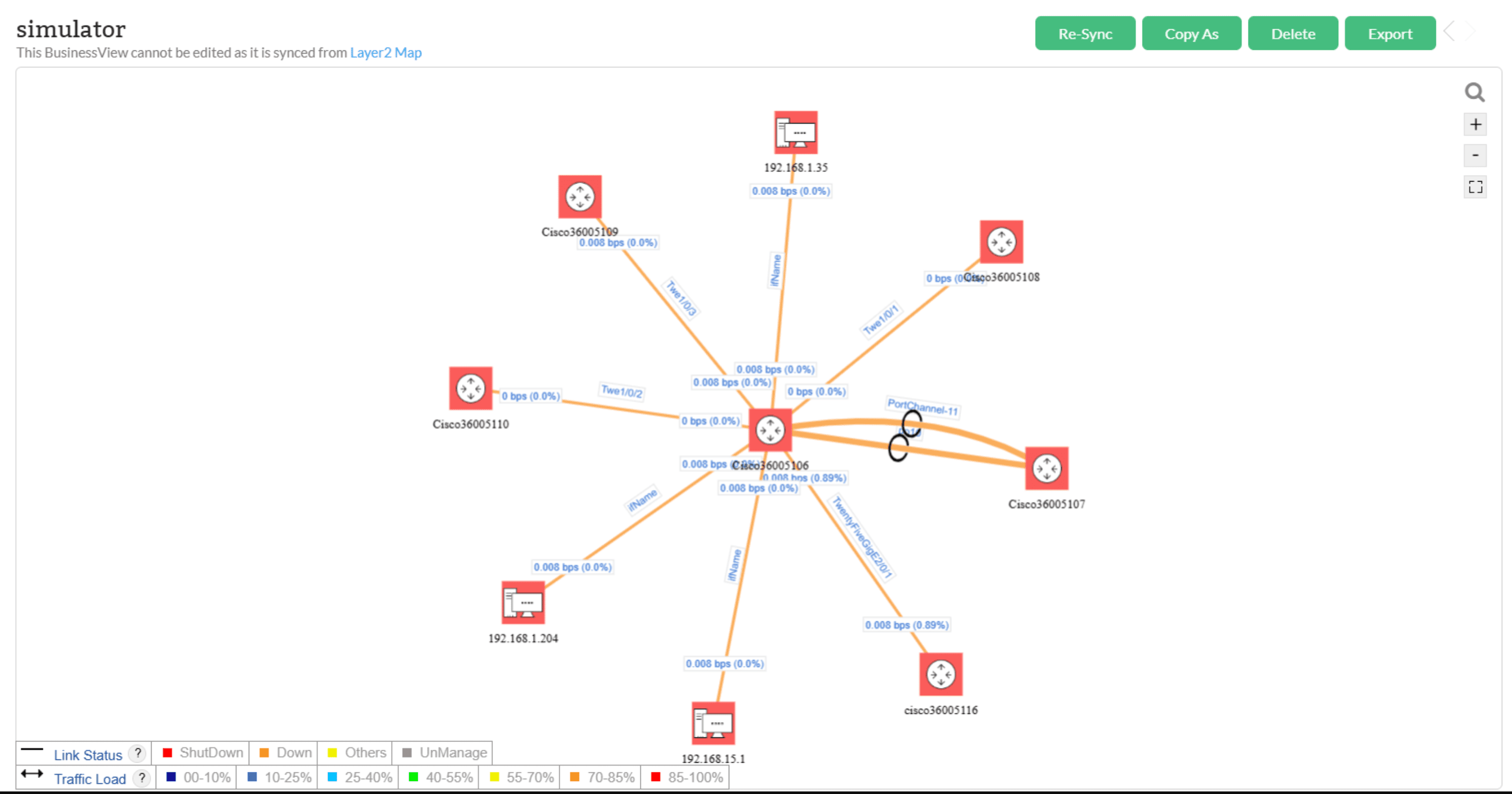
1. Automated network discovery and dependency intelligence
The continuous discovery feature maps physical and logical relationships across network infrastructure, from on-premises devices and switching layers to cloud resources and application services. Topology views and organization maps maintain an accurate dependency context for the entire environment. This visibility becomes critical in hybrid environments where ephemeral workloads and distributed services frequently change infrastructure relationships. Automated dependency mapping reduces visibility gaps and helps teams accelerate root cause analysis and impact assessments during incidents.
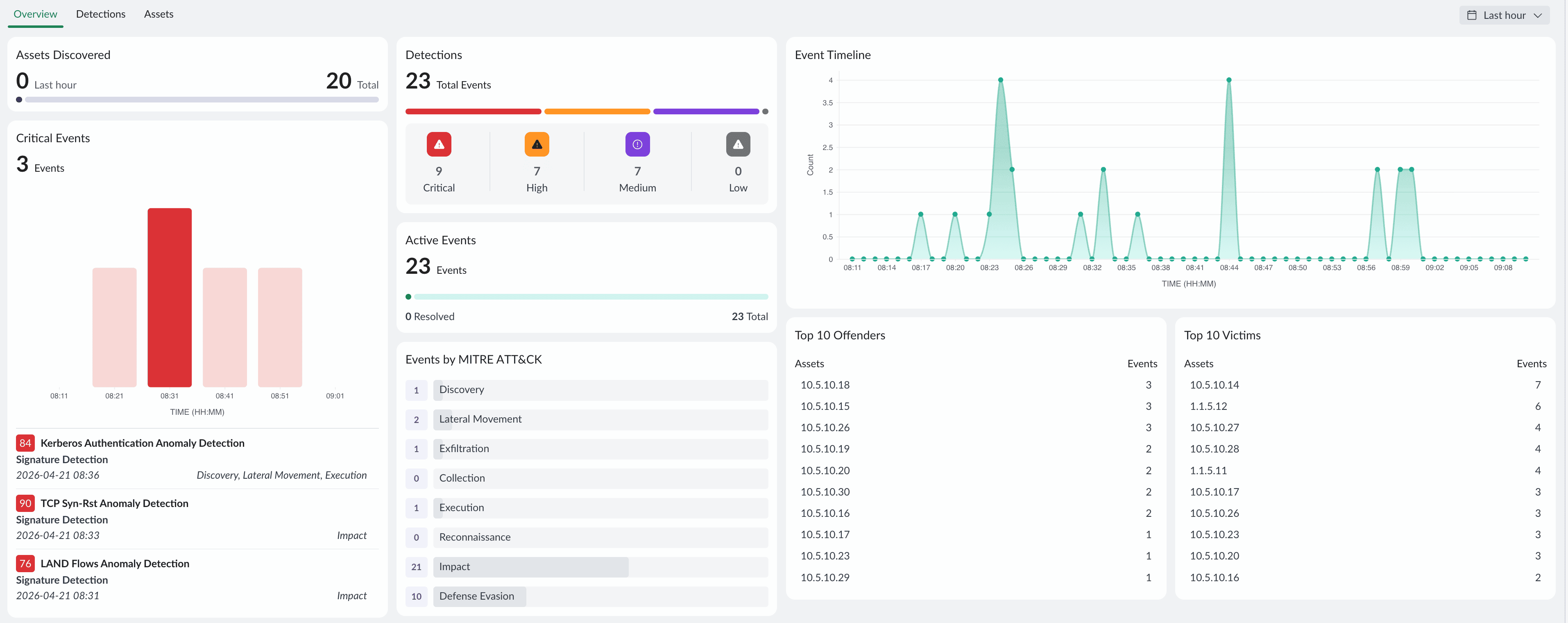
2. Network detection and response
Flow-based traffic analytics and behavioral detection identify abnormal traffic patterns, anomalous east-west flows, and early indicators of network-based threats. By detecting suspicious activity inside the network, not just at the perimeter, network detection and response helps limit lateral movement and gives operations and security teams a unified signal for both threats and performance anomalies.
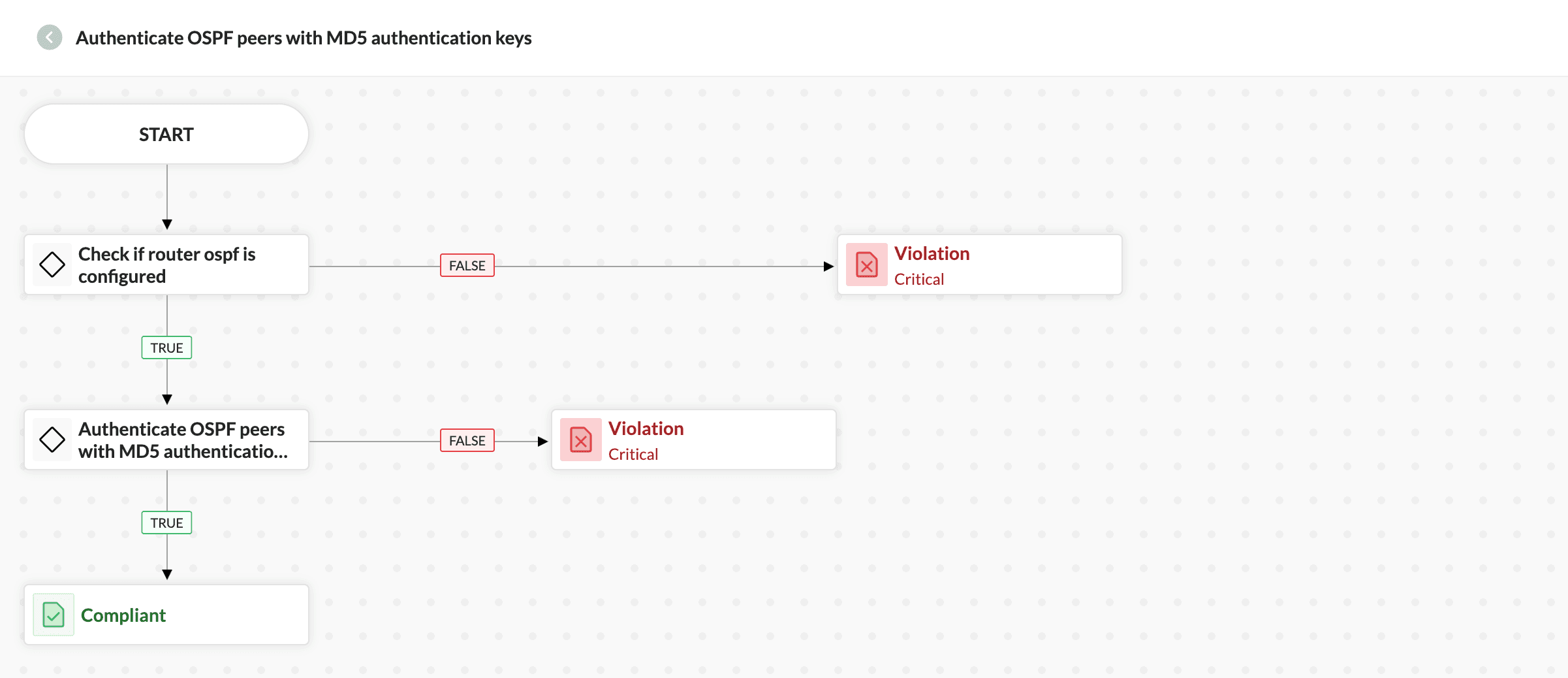
3. Automated, policy-driven compliance management
The continuous compliance monitoring feature evaluates device configurations across routers, switches, and firewalls against defined policy baselines. Automated checks identify configuration drift caused by unauthorized changes, failed updates, or operational errors.
Policy violations are surfaced immediately with remediation workflows that help restore compliant states quickly. This shifts compliance management from periodic audits to continuous enforcement, reducing risks and regulatory exposure.
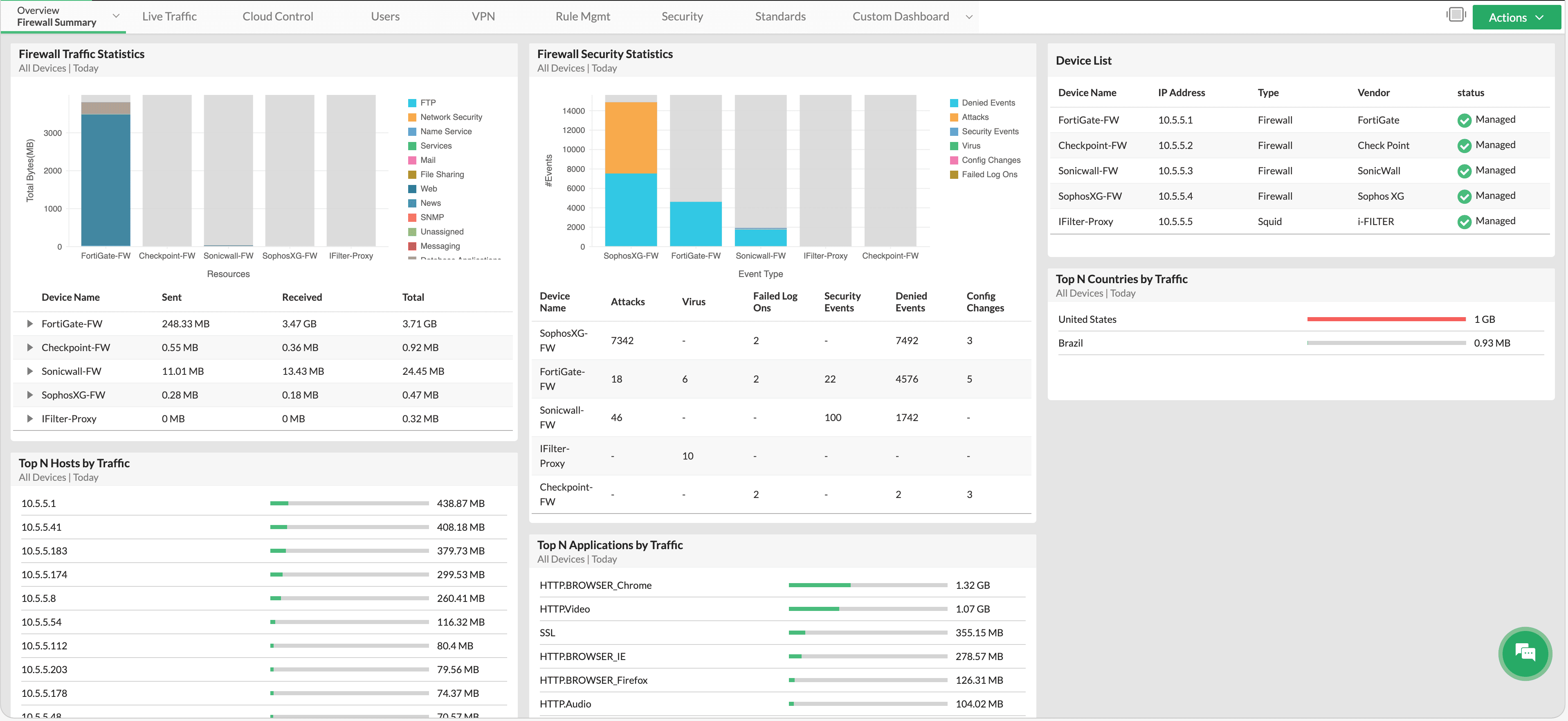
4. Centralized firewall and VPN policy management
Centralized visibility into firewall configurations and VPN connections helps teams manage security policies across distributed network environments. Policy changes, rule updates, and connection states can be monitored from a single operational view.
This reduces policy inconsistencies across vendors and locations while enabling teams to maintain stronger control over the network perimeter. Built-in audit trails also help in correlating configuration changes with traffic anomalies and security events during investigations.
5. Integrated DHCP, DNS, and IP address management
Unified visibility into DHCP, DNS, and IP address infrastructure ensures consistent address allocation and reliable network connectivity across distributed environments. Centralized IP address management helps teams monitor address utilization and eliminate conflicts.
Integrating these core services into the observability layer enables faster detection of DNS failures, DHCP pool exhaustion, and IP conflicts. This empowers teams to resolve connectivity issues before they escalate into broader network or application disruptions.
Taking the next step towards intelligent network observability
If you're looking to strengthen network visibility and improve operational resilience, now is the time to modernize your observability strategy. Explore how ManageEngine OpManager Nexus can support your observability goals. Schedule a personalized demo or download OpManager Nexus for free to see our comprehensive observability capabilities in action.