

- What is a HIPAA audit log?
- What is a HIPAA audit trail?
- Key differences at a glance
- Why both are required for HIPAA compliance
- How Log360 bridges the gap
- The compliance must-haves
In the world of healthcare compliance, the terms "audit log" and "audit trail" are frequently used interchangeably. However, from a technical and regulatory perspective, they represent two distinct layers of your security strategy—especially during an HHS Office for Civil Rights (OCR) audit.
Understanding the difference between audit logs and audit trails is crucial for ensuring your organization doesn't just collect data, but actually maintains the forensic readiness required by the HIPAA Security Rule.
What is a HIPAA audit log?
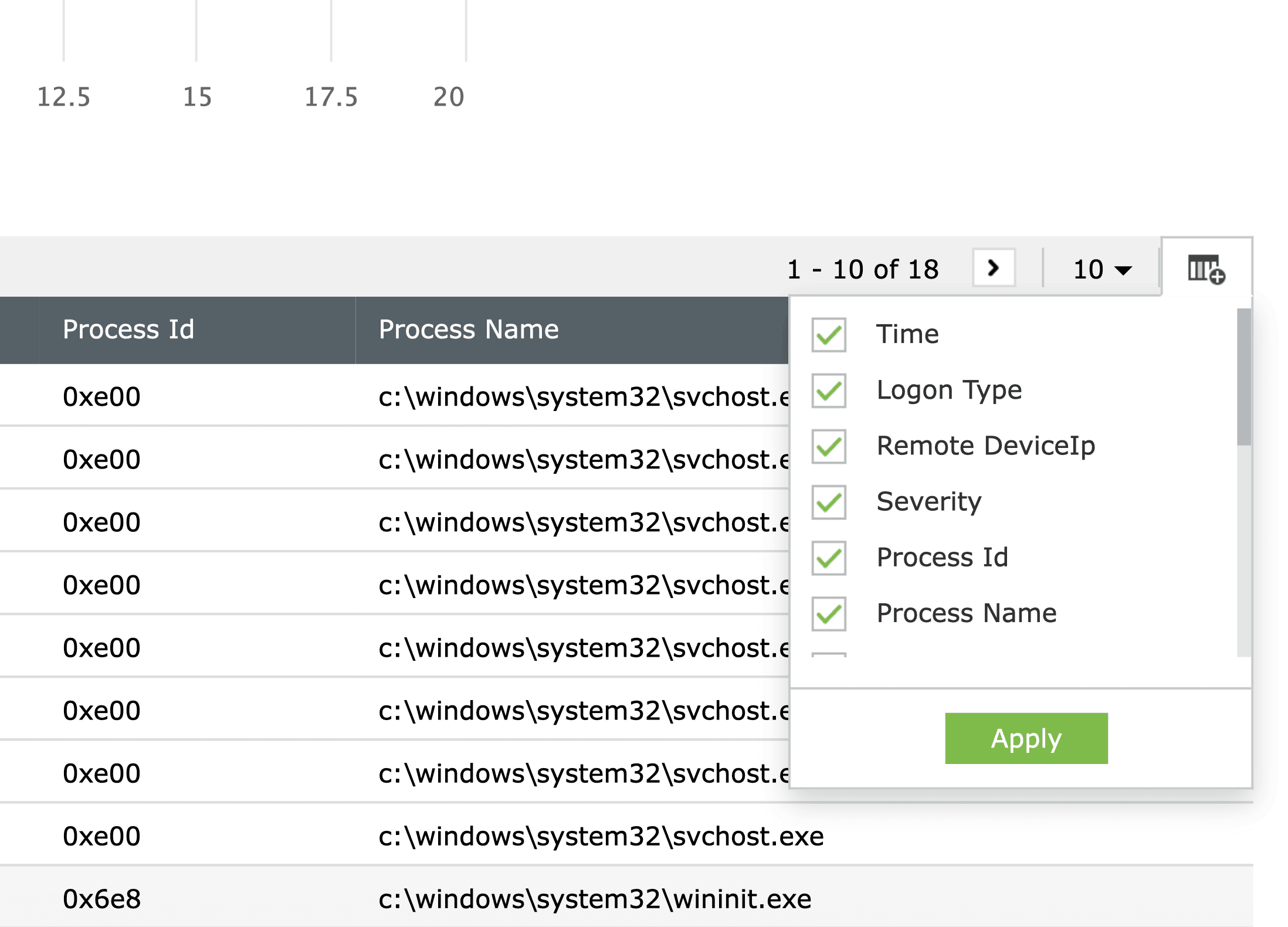
An audit log is a time-ordered record that captures events as they occur within a particular system or application. It is the raw evidence. Under 45 CFR § 164.312(b), these logs must record activity in any information system that contains or uses ePHI.
Typical audit log entries include:
- Timestamps: Exactly when an event occurred.
- User IDs: Who was logged into the session.
- Action types: Successful logins, failed attempts, file deletions, or record views.
- Source IP: The specific device or location from which the action originated.
What is a HIPAA audit trail?
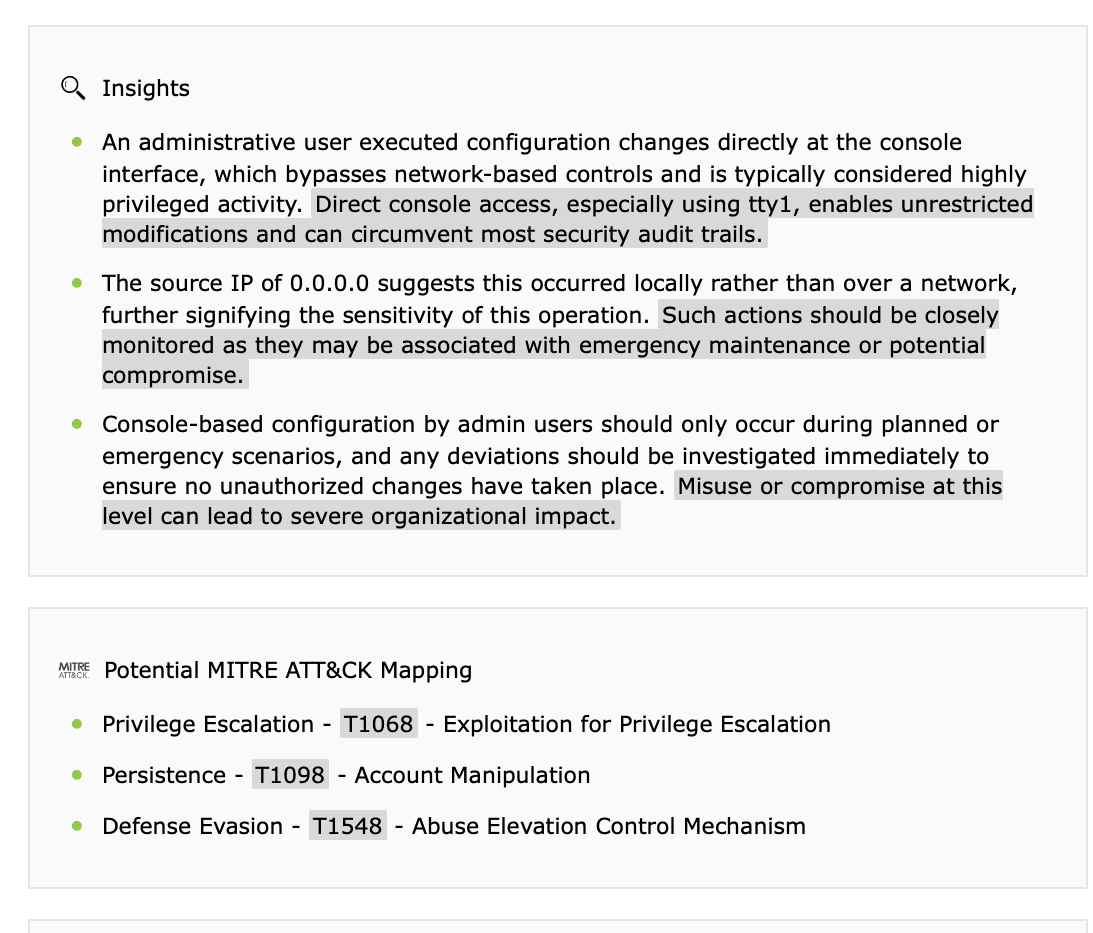
An audit trail is a complete, examinable record formed by aggregating and interpreting data across multiple audit logs. While a log shows a single event, the trail reconstructs the entire sequence of events to show a thread of access.
A complete audit trail allows an auditor to see:
- How a user moved from a workstation to a specific database.
- Which patient records were viewed during that specific session.
- If any of that data was subsequently exported or printed.
Key differences at a glance
| Audit log | Audit trail | |
|---|---|---|
| Scope | Granular; focused on individual system events. | Comprehensive; focused on the end-to-end user journey. |
| Format | Raw data strings often stored in LOG or TXT files. | Organized as a chronological narrative or report. |
| Purpose | To record activity as it happens. | To reconstruct events for forensics or audits. |
| HIPAA standard | Audit Controls (§ 164.312(b)) | System Activity Review (§ 164.308(a)(1)(ii)(D)) |
Why both are required for HIPAA compliance
HIPAA doesn't just ask you to keep logs; it asks you to examine them. Having millions of lines of raw audit logs is useless if you cannot produce a clear audit trail during a breach investigation. For example, if a patient’s record is leaked, the OCR will not just ask for the logs of the database, it will want an audit trail that shows every hand that touched that record across your entire network infrastructure.
How Log360 bridges the gap
Managing the transition from raw logs to reviewable audit trails is the primary function of a SIEM solution like ManageEngine Log360.
Log360 acts as a centralized collector, ingesting raw audit logs from every corner of your healthcare environment, including EHR and EMR systems, firewalls, domain controllers, and even removable USB devices.
Using its powerful correlation engine, Log360 stitches these disparate logs together to create a unified audit trail.
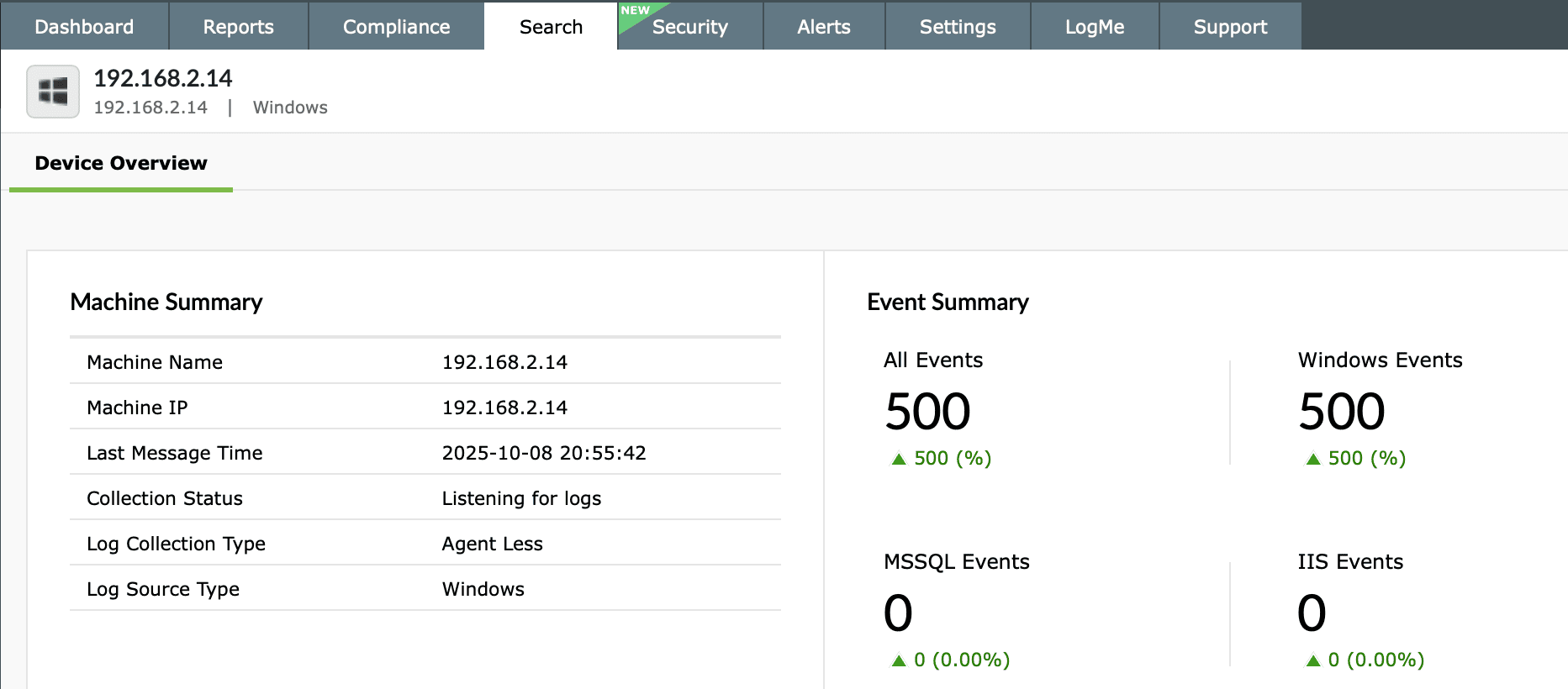
- User-centric reporting: Instead of looking at individual server logs, you can run a report on a specific user identity to see their entire trail of activity across the network.
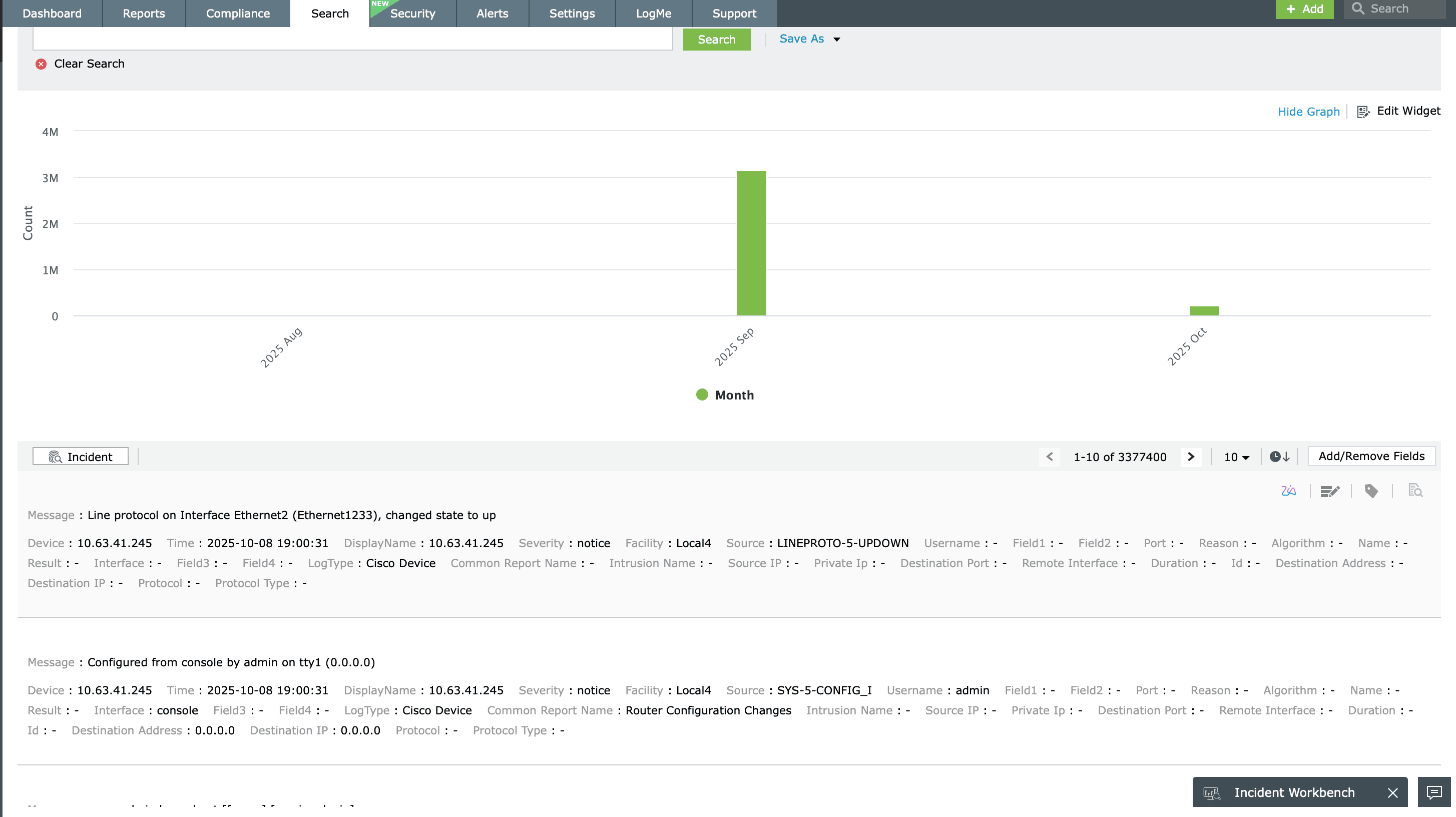
- Forensic readiness: If a security incident occurs, Log360’s advanced search and filter capabilities allow you to instantly reconstruct the chronological sequence of the attack, satisfying the HIPAA Breach Notification Rule.
- Integrity protection: Log360 ensures that the logs that make up your trail are immutable. By using cryptographic hashing, it proves to auditors that the audit trail has not been tampered with since the events were first recorded.
The compliance must-haves
To survive a HIPAA audit in 2026, your strategy must include:
- Generation: Automated creation of audit logs across all ePHI-touching systems.
- Aggregation: Centralizing logs so they can form a cohesive audit trail.
- Review: Periodic review of audit trails to detect unauthorized activity via UEBA.
- Retention: Secure, archived storage of both logs and trails for at least six years.