

- The importance of having an incident tracking software
- NIS2 directive requirements for incident reporting
- What happens if you don’t report incidents?
- Key stakeholders to notify
- Steps to implement NIS2 compliant incident tracking
- Technologies to enable NIS2 compliance
- The EU's new horizons
The NIS2 Directive introduces stricter cybersecurity requirements across the EU, emphasizing the need for timely incident tracking and reporting.
Who does NIS2 apply to: According to Article 7 of the NIS2 directive, which defines the scope of NIS2, organizations in critical sectors—such as healthcare, energy, and finance (Annex 1)—must comply to protect their systems and ensure regulatory adherence.
The importance of having an incident tracking software
Incident tracking is essential to maintaining operational stability, security, and compliance within organizations. By systematically logging and addressing incidents, teams can detect recurring issues, identify attack kill chains, and improve response times for future incidents.
Key steps in incident tracking are:
- Monitoring: Continuous observation and auditing.
- Categorization: Classifying incidents based on severity to determine priority.
- Response and escalation: Executing predefined response actions and escalating if necessary.
- Post-incident review: Analyzing and documenting incidents to prevent future occurrences.
The importance of incident tracking lies in maintaining operational continuity, strengthening the security posture, and being compliant.
NIS2 directive requirements for incident reporting
Article 23 defines what qualifies as a significant incident and outlines the reporting obligations organizations must follow. It also mandates that a single point of contact submit a quarterly summary report to ENISA, which includes anonymized, aggregated data on significant incidents, general incidents, cyber threats, and near misses.
Key components include:
Timeline
Incidents must be reported within 24 hours of detection, with an initial report outlining the nature and impact. A follow-up report with more details is typically required within 72 hours.
Reporting threshold
Only incidents that significantly impact the confidentiality, integrity, or availability of services need to be reported.
Authorities to notify
Reports are generally directed to national CSIRTs or sector-specific authorities, depending on the organization.
What happens if you don’t report incidents?
Failure to report incidents under Article 34 of the NIS 2 Directive can lead to serious consequences for organizations.
Organizations that fail to report incidents face severe penalties, such as:
- Fines: Up to €10 million or 2% of global annual turnover.
- Reputation damage: Public disclosure of non-compliance can erode trust.
- Operational restrictions: Regulators may impose restrictions on operations until compliance is ensured.
Key stakeholders to notify
Key stakeholders that need to be notified during an incident include a range of internal and external parties.
Primary stake holders include:
- Internal security teams: For immediate response actions.
- National authorities: To comply with NIS2 regulations, such as CSIRTs or sector regulators.
- Customers and partners: Especially if services or data are affected.
- Legal and compliance teams: To ensure regulatory adherence.
Steps to implement NIS2 compliant incident tracking
Technologies to enable NIS2 compliance
The technologies that can support NIS2 compliance are those that enable both proactive and reactive measures in cybersecurity. Some examples are:
-
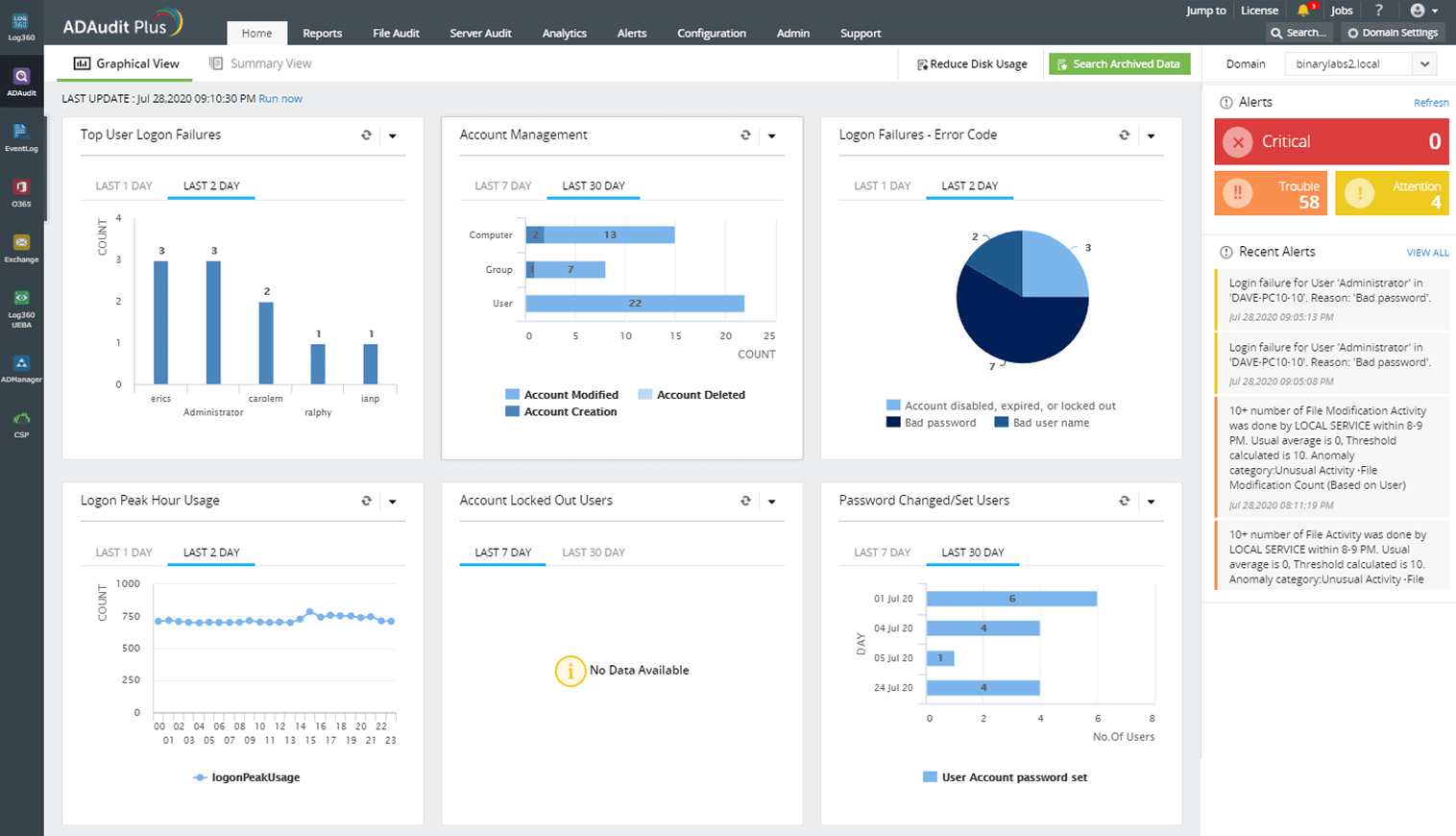
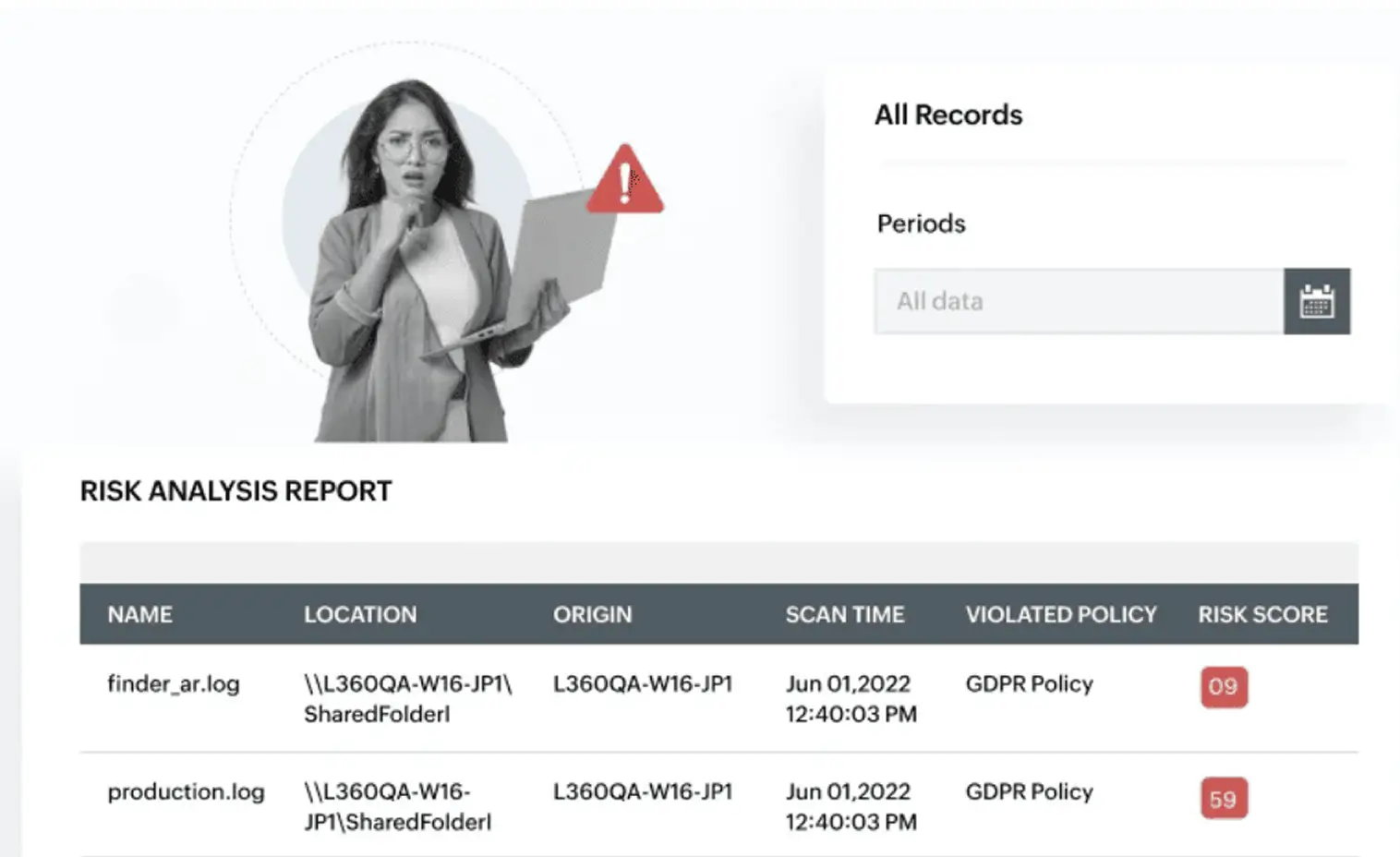
SIEM solutions Having a SIEM platform helps organizations detect, investigate, and respond to security incidents in real time. They offer centralized logging and correlation, which are essential for continuous monitoring.
-
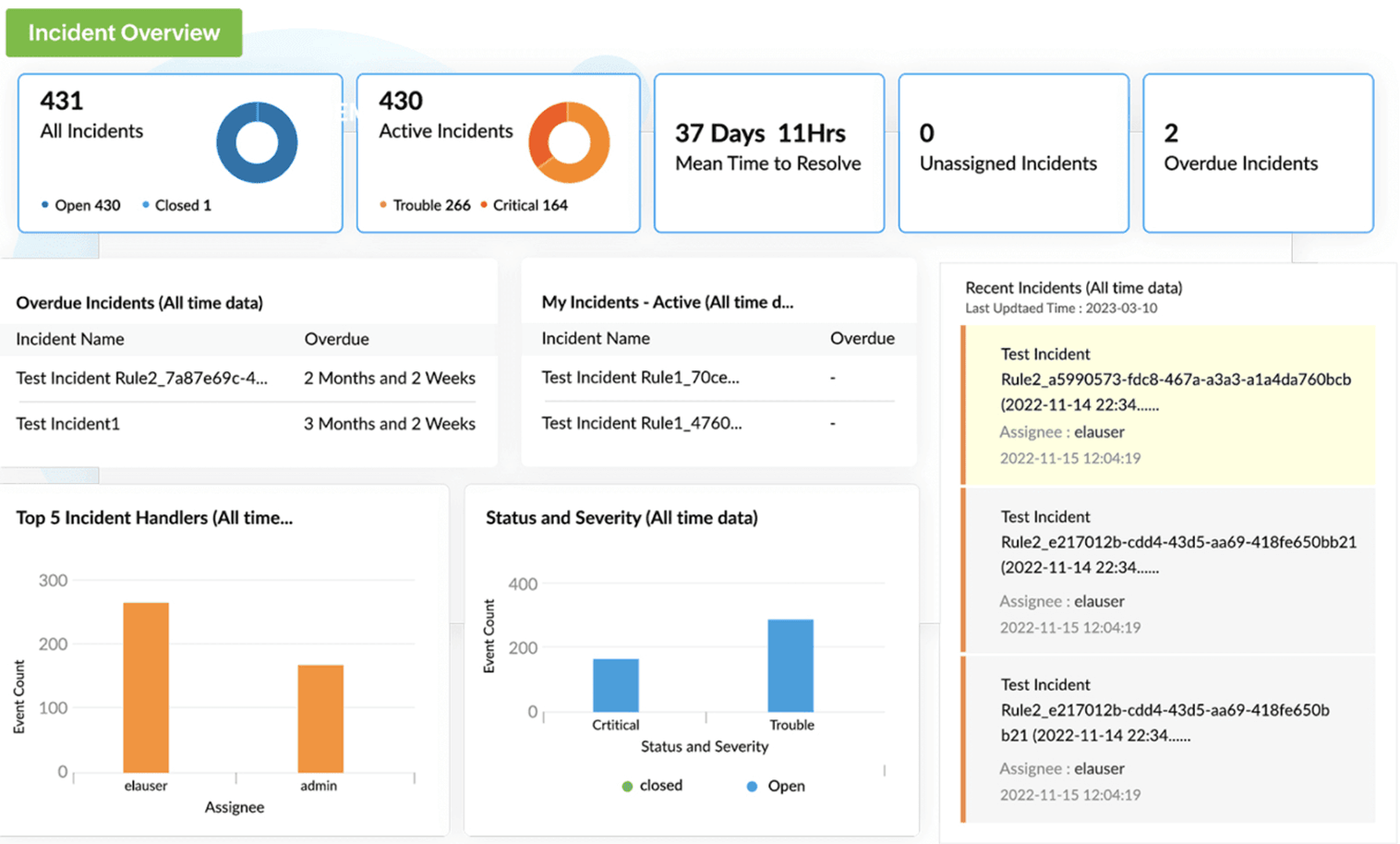
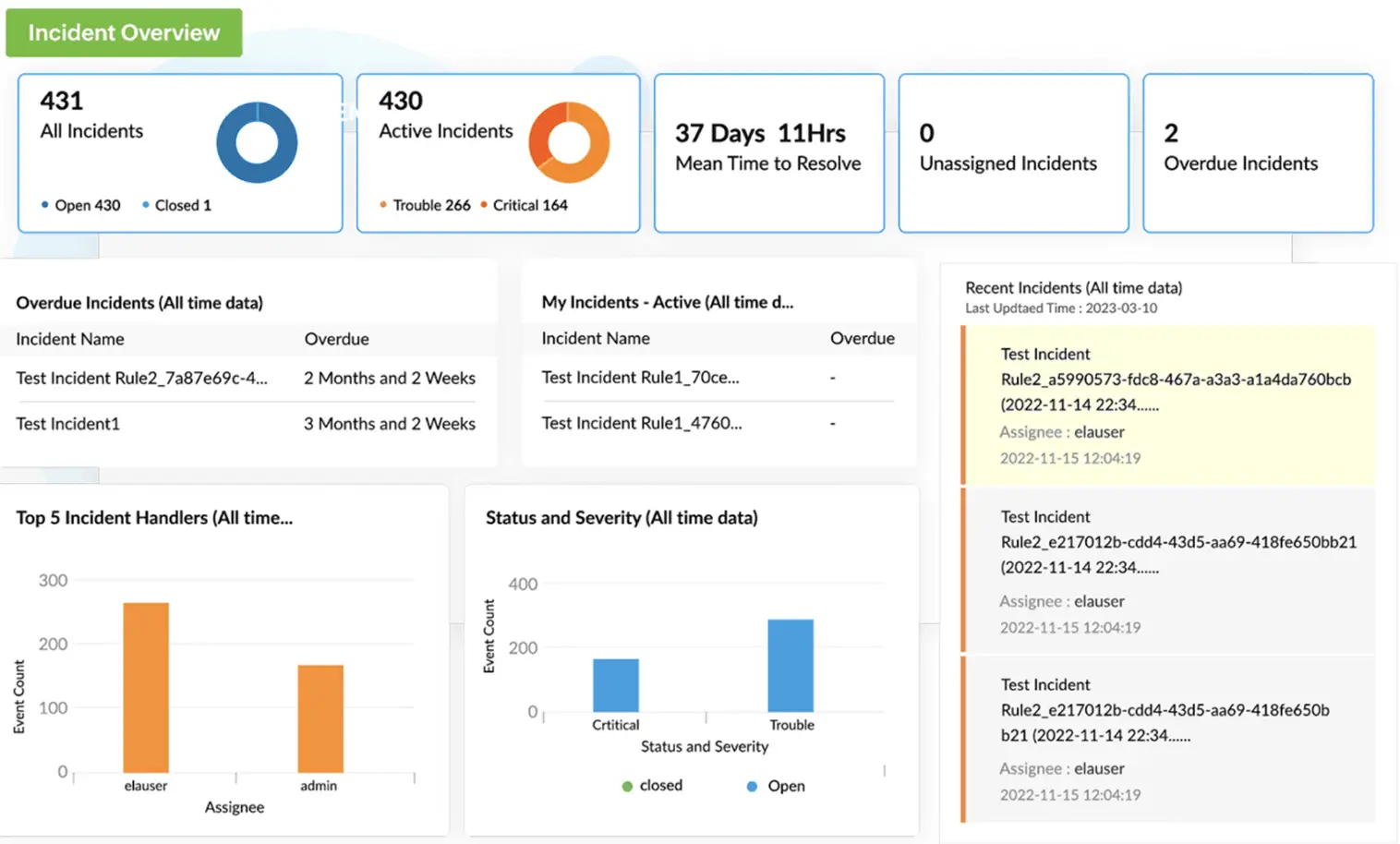
Incident tracking software Automating the response process ensures that time-sensitive requirements under NIS2 are met without manual delays. These platforms help orchestrate the response across teams and ensure all actions are logged.
-
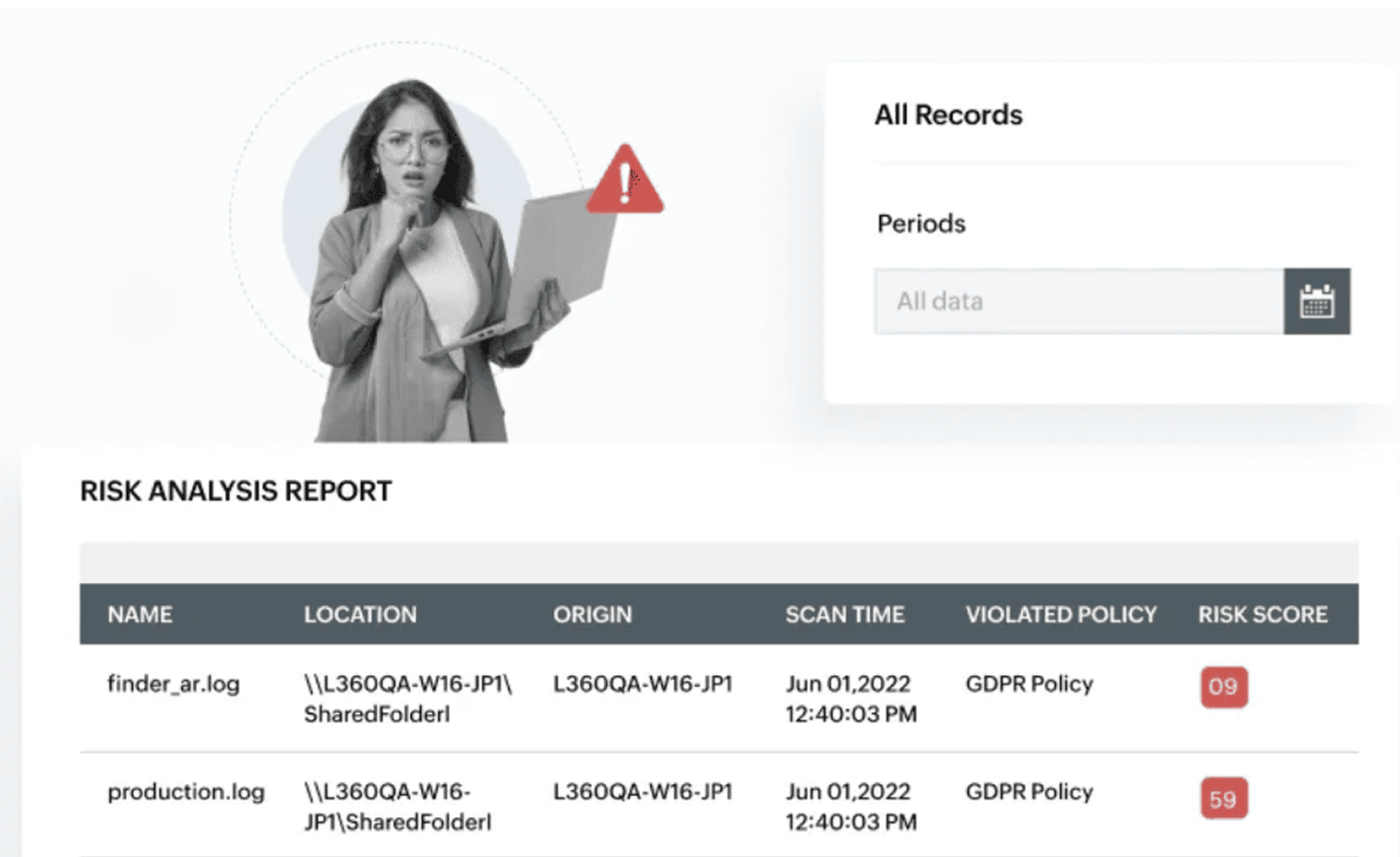
Threat intelligence systems Real-time intelligence feeds keep the organization aware of the latest threat vectors and vulnerabilities, allowing for quicker detection and more informed incident tracking.
The EU's new horizons
The NIS2 Directive represents a new era in cybersecurity for organizations in the EU. By prioritizing incident tracking and response, organizations not only comply with the directive but also enhance their overall cybersecurity posture. Investing in the right tools and strategies now will prepare your organization to respond effectively when (not if) cyber incidents occur.