Chapter 7: Case study: Zoho Corp.’s sustainability journey
Zoho Corp.’s HQ in Chennai, where 90% of the company’s workforce is based, is on its path of becoming a self-sustaining ecosystem. With over 15,000 employees and admin staff, it’s crucial that we take steps to operate in an environmentally conscious manner. So, how do we decide what factors to focus on?
A materiality assessment or matrix is a strategic tool that allows organizations to identify and prioritize their ESG goals and challenges. Zoho Corp.’s materiality matrix has been developed after extensive discussions with senior leadership and stakeholders, combined with a thorough analysis of industry and sustainability standards.
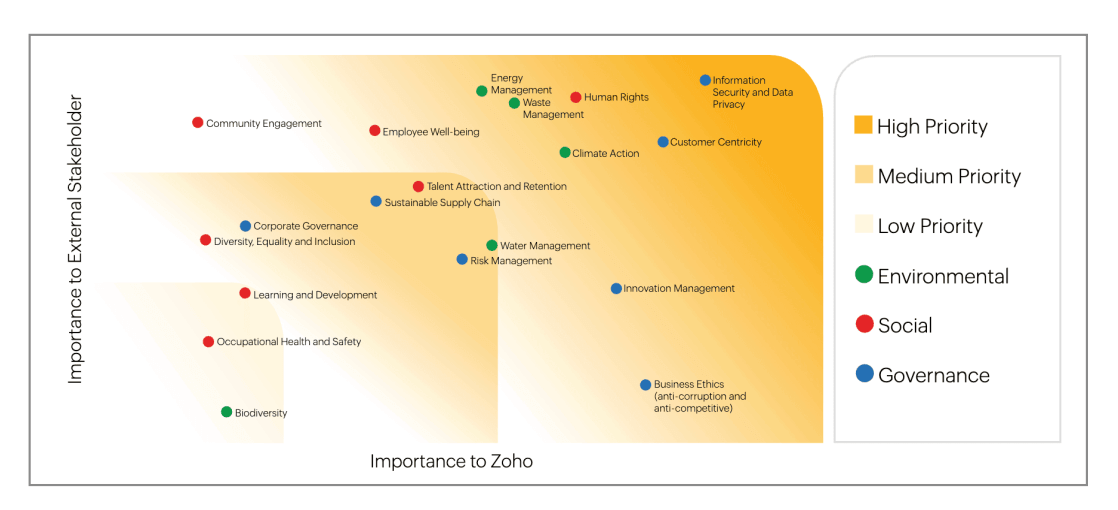
The materiality assessment made it evident that environment-related goals like climate action, energy management, and waste management are nonnegotiable and must be at the top of our list. With this in mind, we further streamlined our efforts and pushed for effective and scalable actions. Here’s a glimpse of how it’s done.
Solar power
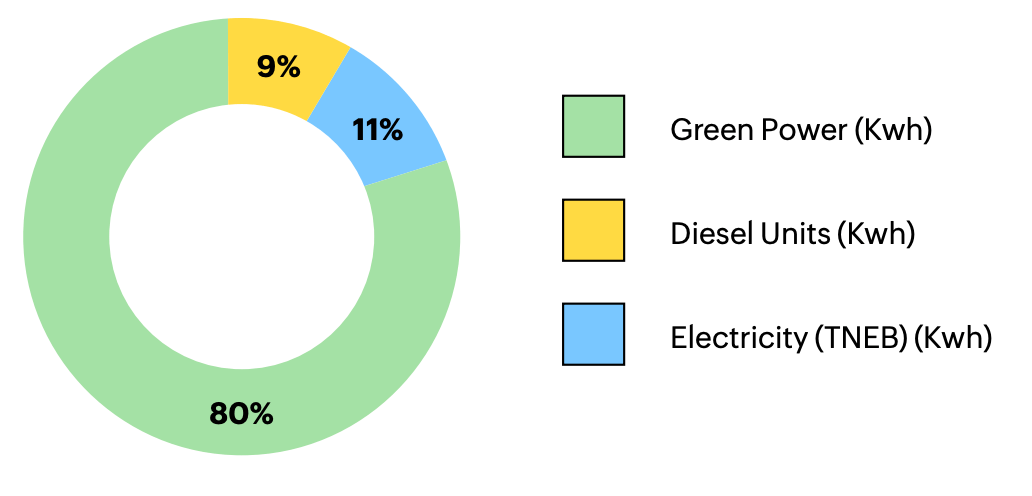
Zoho Corp.’s data centers and office spaces are powered by solar panels and solar farms. Solar panels installed at the HQ, in addition to a the 2 * 5 megawatt on-grid solar energy farm about 180 miles (290 kms) away, help reduce the company’s carbon footprint and environmental impact significantly.
Undertaken in partnership with the state’s electricity department, the solar plant serves local power needs, allowing the company to receive credits to offset its energy consumption. This initiative also benefits surrounding communities by providing surplus electricity, ensuring that Zoho Corp.’s commitment to sustainability extends beyond its own operations. This helps in saving approximately 7,200 tons per year of CO2 emissions, equivalent to planting 14,400 trees. Furthermore, the company has acquired 375 acres at the US HQ to set up solar panels.
Water conservation
Water availability in Chennai fluctuates based on the climate. Being a tropical region, summers are intense with temperatures crossing 88.4 °F (31.3 °C) mid-year. This means water may be scarce, and it is crucial to conserve as much as possible for sustainable operations. Groundwater or raw water collected goes through the water treatment plant and is purified for drinking and cooking. Water used for domestic purposes, like washing hands or utensils, is sent to a sewage treatment plant, where it is treated and used for flushing toilets, landscape irrigation, and for the air conditioner’s cooling tank. We also use a dual-plumbing system that segregates potable and nonpotable water flows within our facilities.
To monitor the water usage, the admin and sustainability teams collaborated with the IoT team to build an in-house IoT solution and install monitors throughout the campus. These sensors collect data, which is displayed on a common dashboard, allowing teams to determine:
- Real-time usage categorized by location and purpose.
- Leakage of faucets in restrooms.
- Whether sprinklers are required, based on the weather.
- Usage per capita.
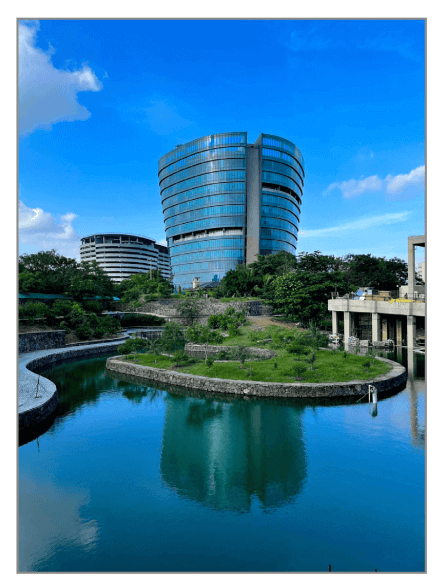
The dashboard also provides easy-to-read reports, simplifying the monitoring process. The sustainability team can then review if they are meeting water usage standards. Additionally, the construction of ponds and lakes on site helps preserve rainwater and recharge the groundwater table. With this closed-loop system, Zoho Corp. has achieved 100% water recycling at its India HQ.
Daily operations: Waste from the campus is segregated as fruit peels, egg shells, dry waste, and general food waste. Egg shells, owing to their high calcium content, are ground up and used for gardening. Dry waste, like tissues, bottles, and milk cartons, are sent to a vendor for recycling. Cooking oil is also sent to a vendor for conversion to biodiesel.
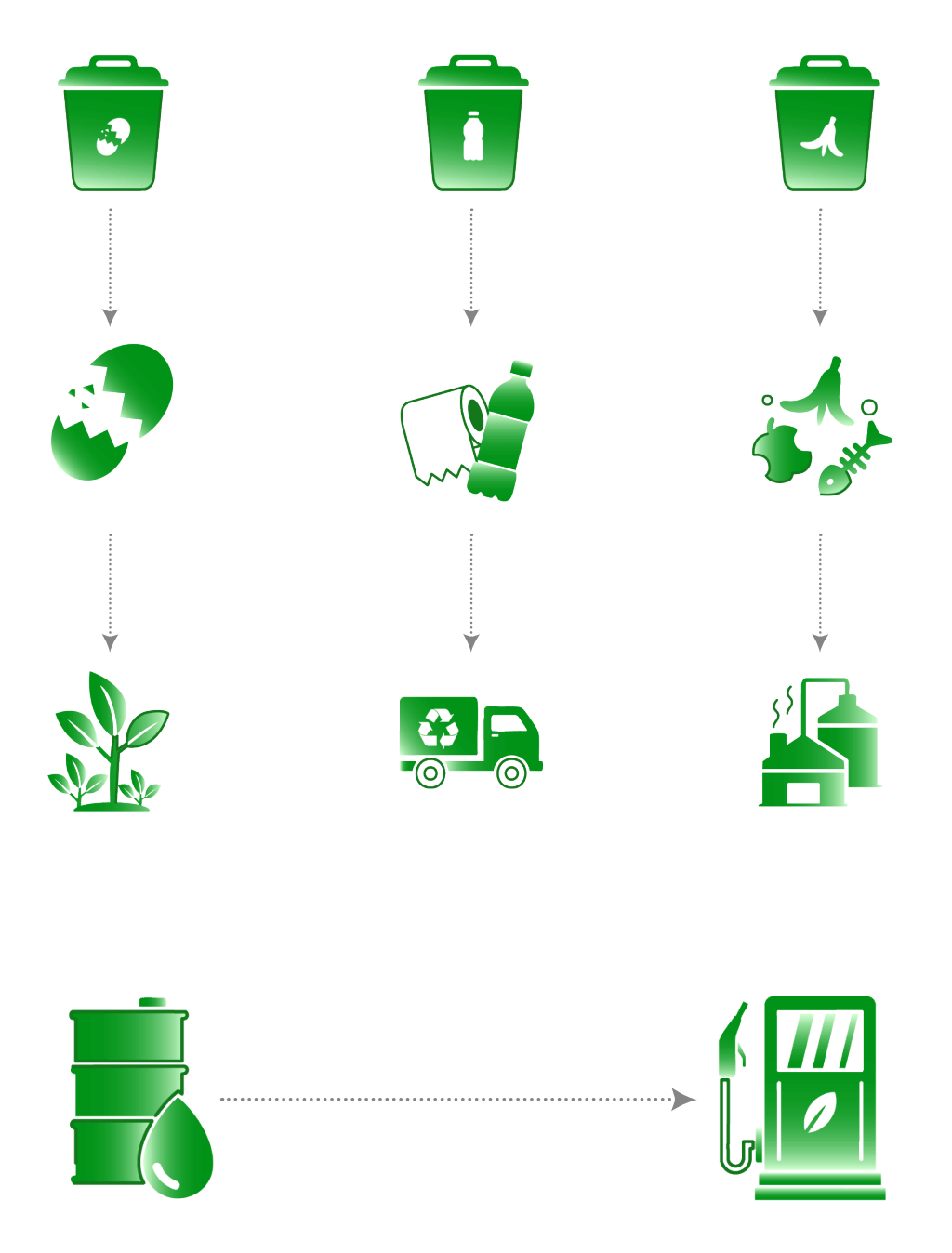
Biogas plant: General food waste is collected and sent to one of the three 4.5 ton-per-day digesters within the HQ campus. When mixed with manure and water, the waste is broken down to release biogas, which is then directed to a generator that converts gas into electricity. The plant generates enough electricity to power itself and a part of the sewage treatment plant operations.
To ensure that vendors follow strict protocols, the sustainability team often conducts surprise checks to their sites or factories. Each vendor also provides a certificate, declaring the quantity of waste or recyclables obtained from the company.
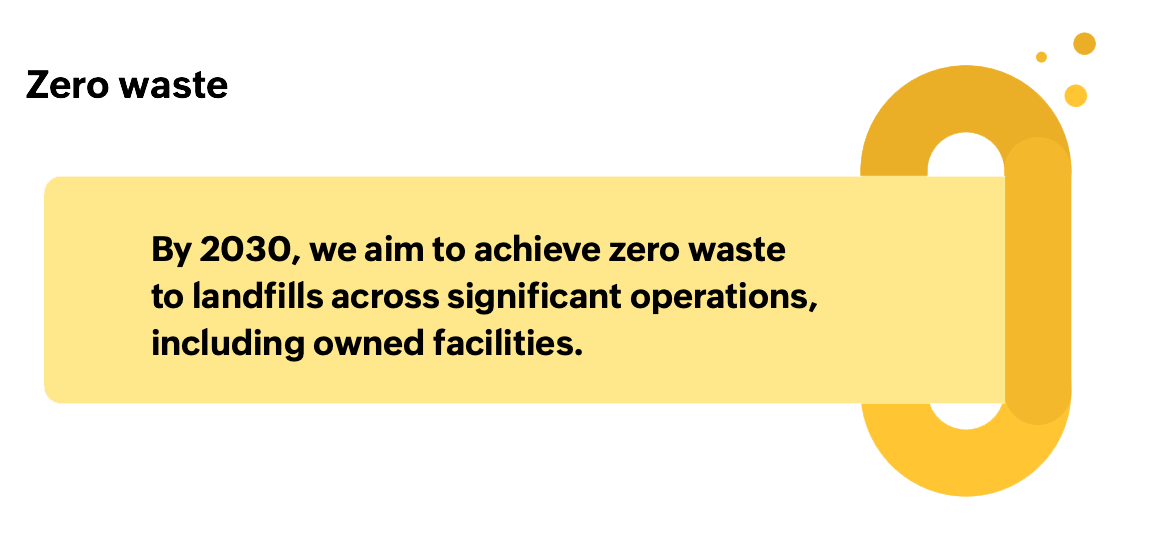
Following these sustainable practices is an ongoing process. With the majority of our workforce in one campus (which is expanding rapidly), it takes immense efforts to maintain sustainable operations. Over the next few years, our goal is to achieve zero waste to landfills and eliminate single-use items.
Sustainable procurement
When we’re sourcing items like bags or notebooks for customer merchandise at Zoho Corp., we actively look out for eco-friendly, biodegradable, and responsibly sourced materials. Instead of plastic or polyester, we opt for materials like jute, bamboo, and crushed cork. Vendors provide product samples to our procurement team for quality checks. We also ensure the suppliers or vendors follow sustainable practices and share similar sustainability goals. The quality of their work is verified through certifications like the Global Organic Textile Standard (GOTS).
Sustainability with devices is reviewed through the ratio of the amount of heat emitted from them (for instance, LED and LCD screens emit significantly less heat than their older plasma counterparts), and through reusability, like rechargeable power banks. With equipment that may not be used frequently, we rent from selected vendors and operate on solar power wherever possible.
General practices and initiatives
- Flexible work models with business trips only when needed.
- Daily shuttle operations for employees to reduce private transport.
- Electric vehicles for transportation of goods within the campus.
- LED lighting in buildings for cost and energy savings.
- Encouraging movement beyond Tier-1 and Tier-2 cities with the rural revival project.
- Frequent tree planting initiatives in India and the US.
- Nava Farms, a 380-acre property that produces a variety of fruits, vegetables, and livestock and ZoGro, an employee-run planting initiative, in Austin, Texas.
- Removal of single-use utensils from pantries.
- Recycling programs in hub offices.
Practical approaches to navigate sustainability
Inspired, but don’t know where to start? Here are some practical ways to begin your organization’s sustainability journey.
1. Promote eco-friendly habits in the workplace
Encourage employees to adopt green practices such as reducing paper usage, enabling energy-saving settings on devices, and using public transport or carpooling to the office. At Zoho Corp., we’ve made small changes that have a large impact, like eliminating paper cups and mandating garbage separation, to drive home the sustainability culture
2. Educate on IT’s environmental impact
Conduct workshops and awareness campaigns to highlight how IT contributes to the organization’s carbon footprint. For instance, share insights on the energy consumption of data centers or the e-waste problem and offer solutions like device recycling programs or encouraging the use of refurbished hardware.
3. Implement sustainability checklists
Develop checklists to assess and ensure sustainable IT practices. Examples include evaluating the energy efficiency of hardware before procurement, assessing life cycle impacts, and verifying adherence to environmental regulations during audits.
4. Partner with green cloud providers
Choose cloud providers with a commitment to renewable energy and carbon-neutral operations. For example, some providers will offer tools to track and minimize your organization’s cloud energy consumption.
5. Leveraging tools for green IT
Use tools that measure and manage IT sustainability, such as software to monitor data center energy use or carbon accounting platforms. Cloud cost management tools are a great way to compare eco-friendly vendors, identify underutilized resources, and reduce emissions through effective operations.
6. Designing energy-efficient software
Optimize software to minimize energy consumption by reducing CPU cycles and improving load times. For example, redesigning algorithms to handle data more efficiently or enabling low-power modes in applications can significantly cut energy usage.
Leveraging technology as a force for good
The convergence of technology and environmental stewardship offers a powerful sense of possibility. From energy optimization to waste reduction and global monitoring, digital systems are helping businesses and societies make smarter, cleaner choices. With the right vision, this innovation can move us from damage control to positive impact.
While digital solutions alone won’t solve the climate crisis, they offer a practical, scalable foundation for progress. Paired with strong leadership, businesses can future-proof their operations and create long-term value. So, what are Zoho Corp.'s goals for the future? From the environment perspective, we call it a three-point plan for the next decade, where we'll focus on:
| Climate action | Water stewardship | Circularity |
|---|---|---|
|
|
|
For Zoho Corp., sustainable IT is powerful because it addresses multiple business needs simultaneously. From our energy-efficient data centers that reduce emissions to cloud optimization tools that identify cost savings and resource inefficiencies, we have created a system that delivers long-term value. The lesson is clear: reducing environmental impact doesn’t mean compromising performance. If anything, the two goals complement each other.
For organizations beginning this journey, remember that perfection isn’t the goal—continuous improvement is. The path to sustainable IT is a journey worth taking for your business, your customers, and the planet. Start by measuring your current impact, identifying high-value opportunities, and building sustainability into your organizational DNA. The most successful initiatives will be those that align your environmental objectives with your core business strategy.
About
As the IT management division of Zoho Corporation, ManageEngine prioritizes flexible solutions that work for all businesses, regardless of size or budget. ManageEngine crafts comprehensive IT management software with a focus on making your job easier. Our 120+ awardwinning products and free tools cover everything your IT needs. From network and device management to security and service desk software, we’re bringing IT together for an integrated, overarching approach to optimize your IT.

About the author
Mahanya is a content writer who specializes in IT stories, documenting the journey of enterprises like ManageEngine - their ups and downs, internal processes, and core principles. She is keenly interested in interacting with IT thought leaders to get their perspective on digital transformation. A true zillennial at heart, she spends her spare time on social media finding homes for rescue dogs.