Free Edition
With the advent of cloud technology, almost every organization uses multiple cloud apps to ease their business processes. Storing data on the cloud or accessing cloud applications for IT management is common. However, this development comes at a price. With numerous applications, employees have to remember different passwords, which is a daunting task. What if there was a comprehensive solution that offered users the capability to access all their cloud accounts with a single credential?
Introducing ADSelfService Plus—with its single sign-on (SSO) feature, administrators can allow end users to access all their SAML cloud app accounts such as Google Workspace with their Active Directory credentials and save them the trouble of having to remember a myriad of passwords. Let us look at how to configure SSO for Google Workspace (formerly G Suite and Google Apps) using ADSelfService Plus.
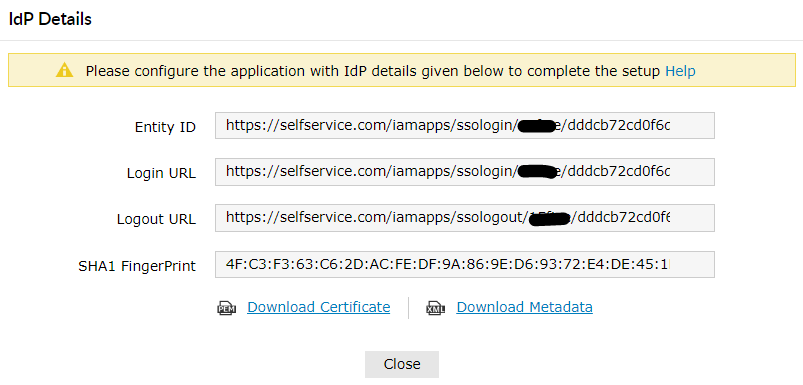
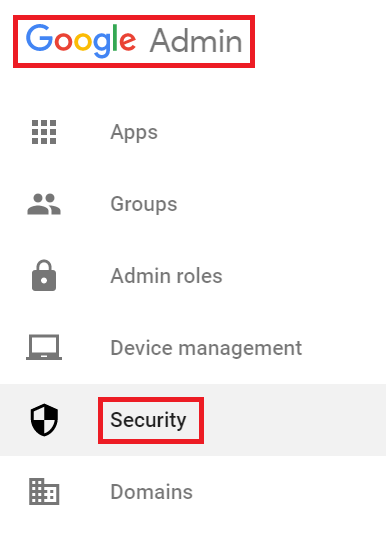
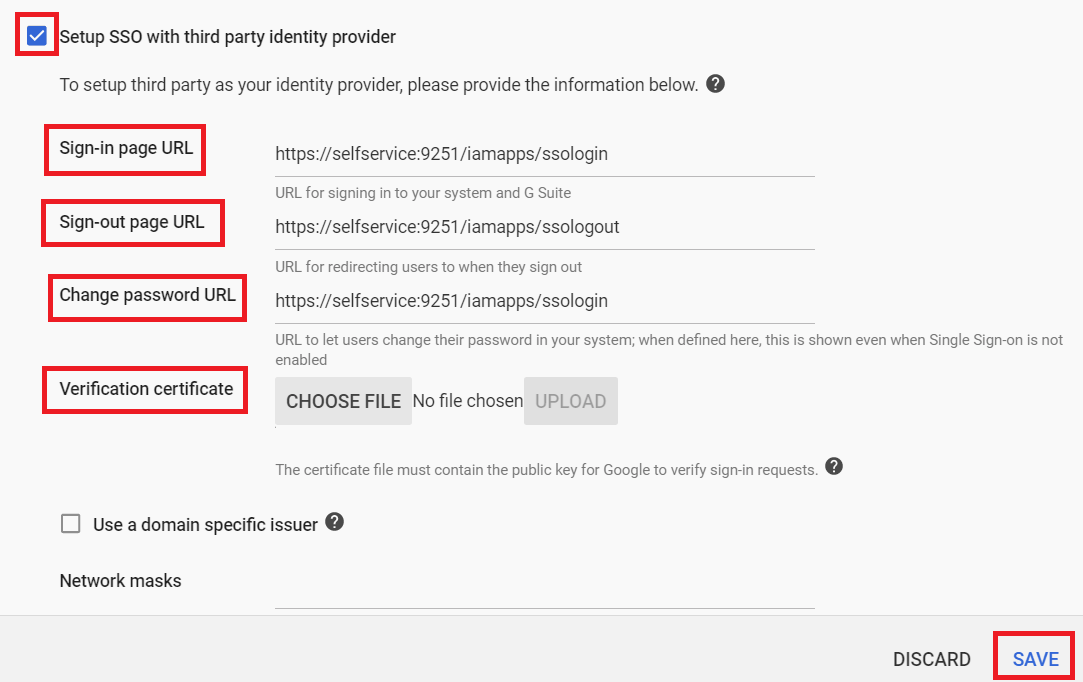
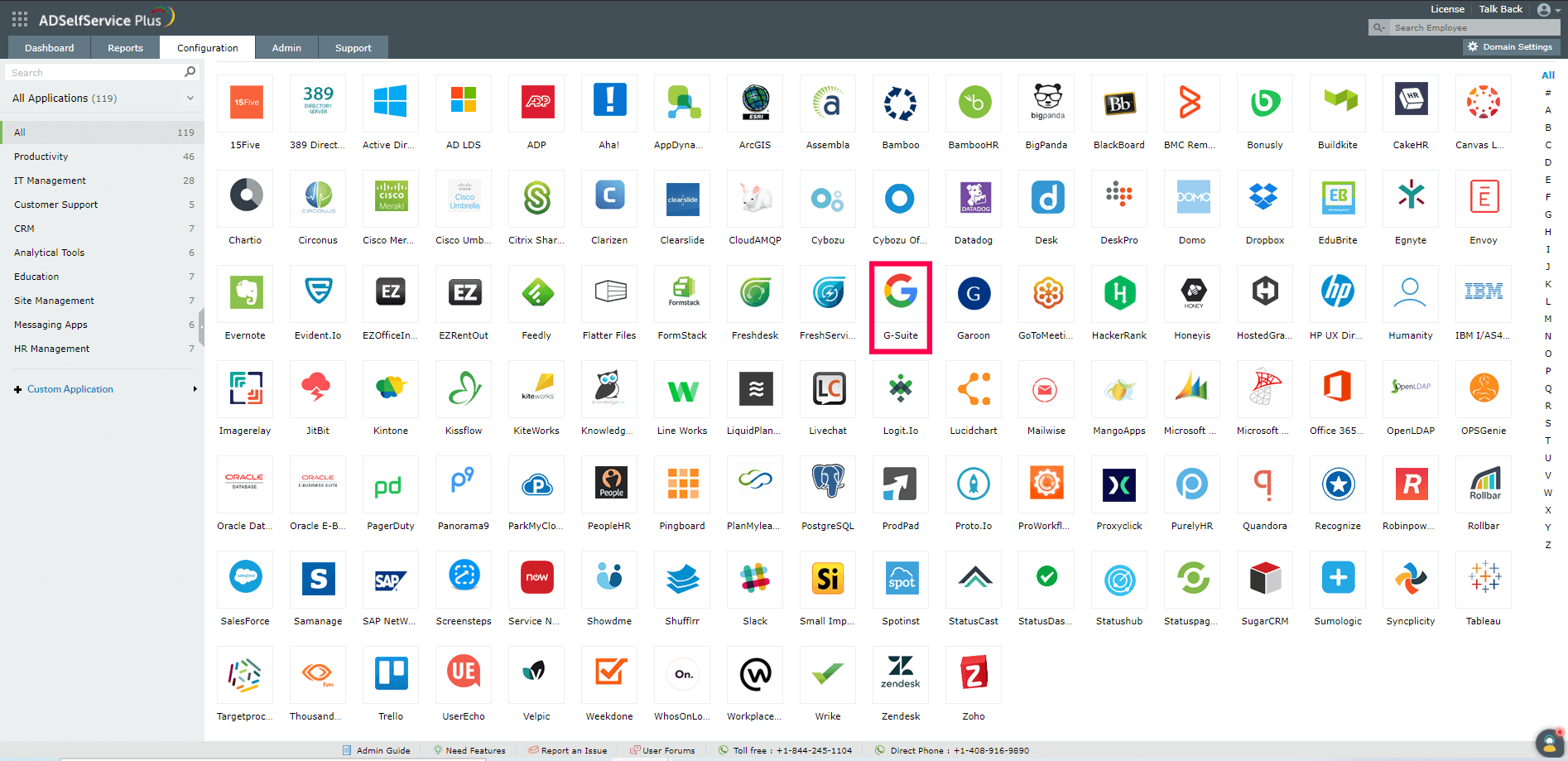
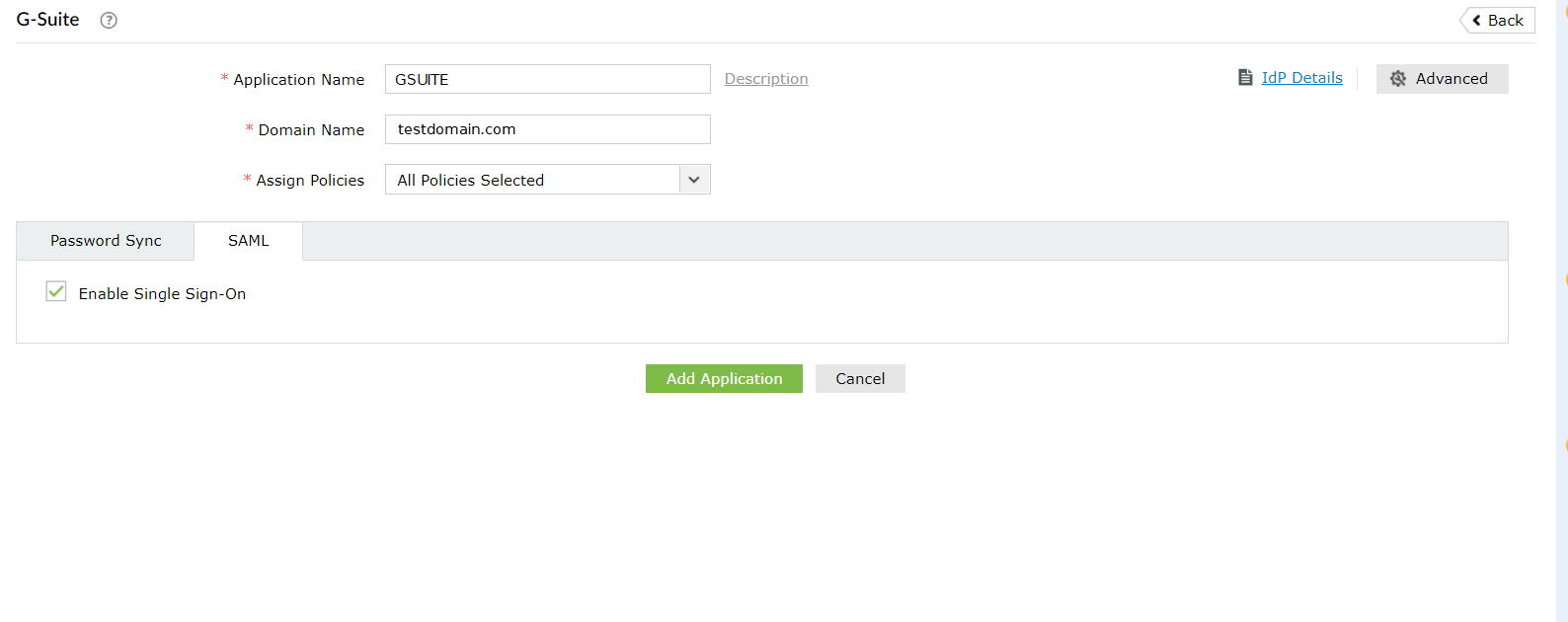
Your users can now sign in to Google Workspace through ADSelfService Plus.
After this configuration, when users try to access Google Workspace, they will be redirected to the ADSelfService Plus server, which authenticates their accounts with either Active Directory or Windows credentials. Once they are authenticated, they will automatically be logged in to Google Workspace through SSO.
Need further assistance? Fill this form, and we'll contact you rightaway.
Allow Active Directory users to self-service their password resets and account unlock tasks, freeing them from lengthy help desk calls.
Get seamless one-click access to 100+ cloud applications. With enterprise single sign-on, users can access all their cloud applications using their Active Directory credentials.
Intimate Active Directory users of their impending password and account expiry via email and SMS notifications.
Synchronize Windows Active Directory user passwords and account changes across multiple systems automatically, including Microsoft 365, Google Workspace, IBM iSeries, and more.
Strong passwords resist various hacking threats. Enforce Active Directory users to adhere to compliant passwords by displaying password complexity requirements.
Enable Active Directory users to update their latest information themselves. Quick search features help admins scout for information using search keys like contact numbers.