PostgreSQL is a leading open-source object-relational database management system (ORDBMS) that is renowned for its robust feature set, extensibility, and unwavering reliability, PostgreSQL empowers organizations to manage their data with confidence. Backed by a global development community, PostgreSQL offers comprehensive support for complex data types, ACID compliance, and a rich set of SQL functionalities. Its scalability, extensibility, and well-established reputation for data integrity and performance make it a trusted choice for organizations of all sizes.
PostgreSQL monitoring is the practice of tracking and analyzing various performance metrics and activities within a PostgreSQL database system. This empowers database administrators and developers to ensure efficient operation of databases by identifying and resolving issues before end users notice.
PostgreSQL monitoring is vital for optimal performance and database health. It helps identify bottlenecks, optimize resource allocation, and proactively prevent critical issues like outages or security breaches. By monitoring key metrics, administrators can ensure smooth database operation, minimize downtime, and empower developers with insights for query optimization. This translates to a reliable, performant, and secure database environment.
Proactive PostgreSQL monitoring is crucial for safeguarding database performance, reliability, and security, regardless of deployment size. Without effective monitoring, both small-scale and large-scale deployments risk encountering performance issues, potential data breaches, and unexpected downtime.
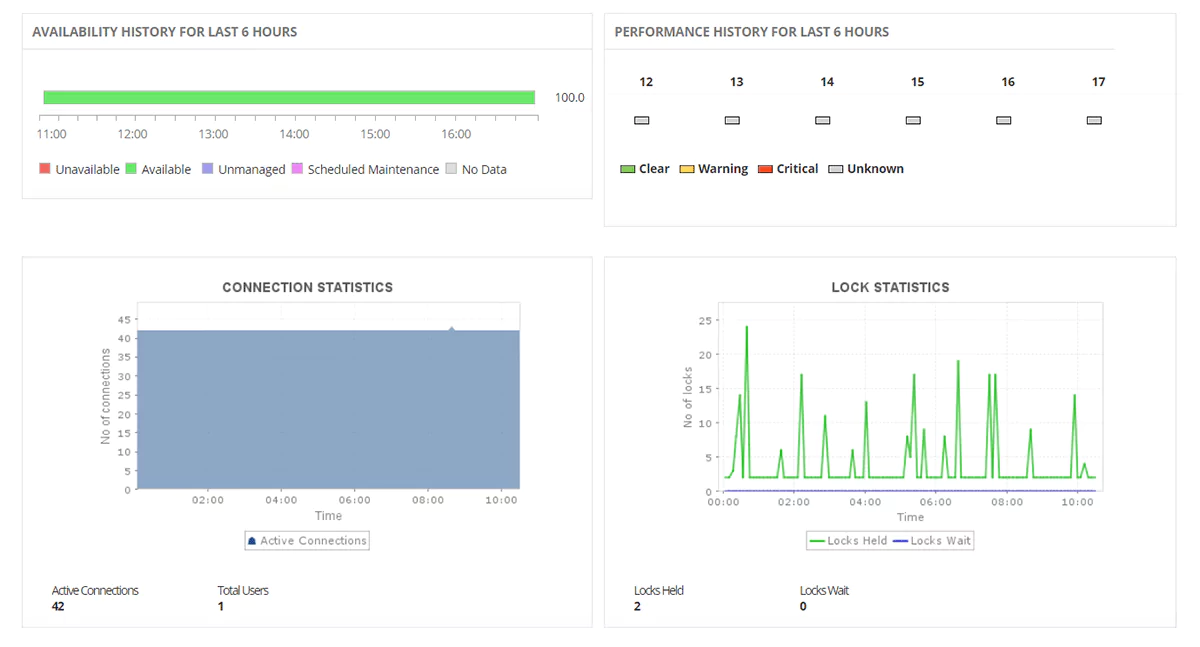
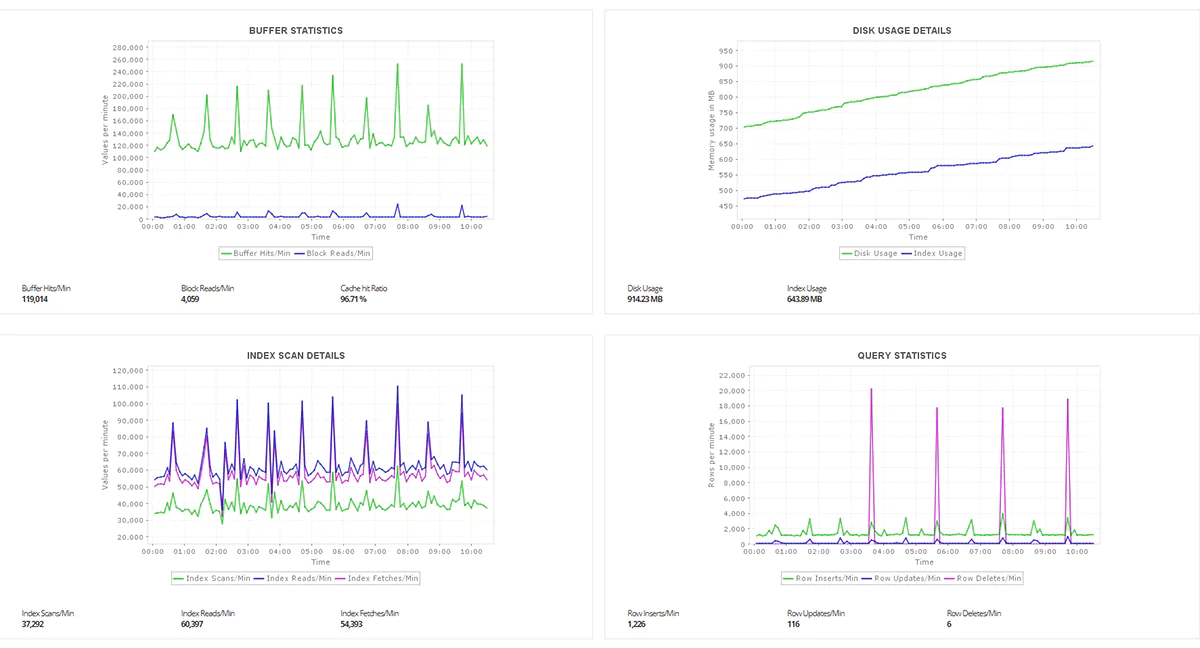
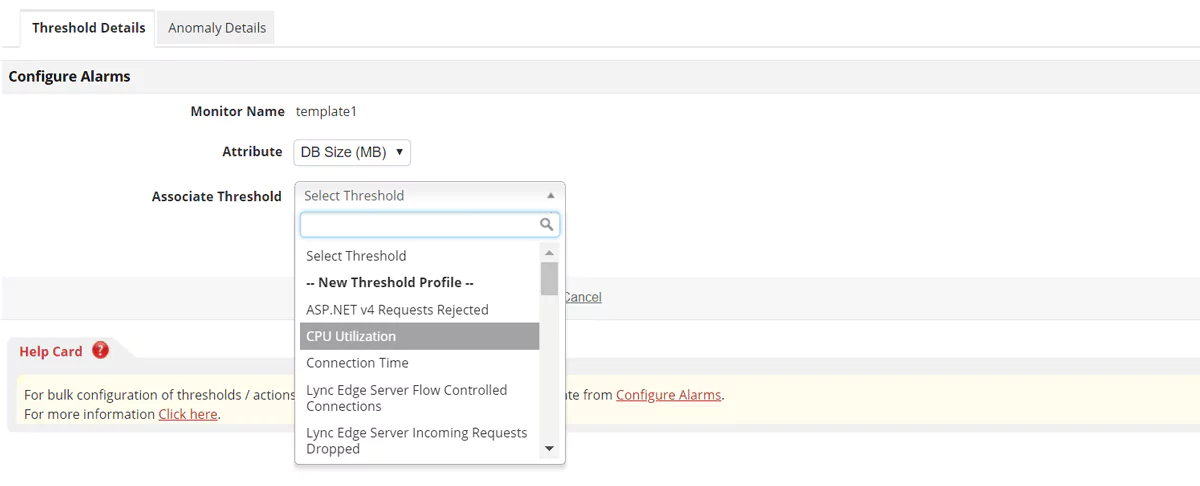
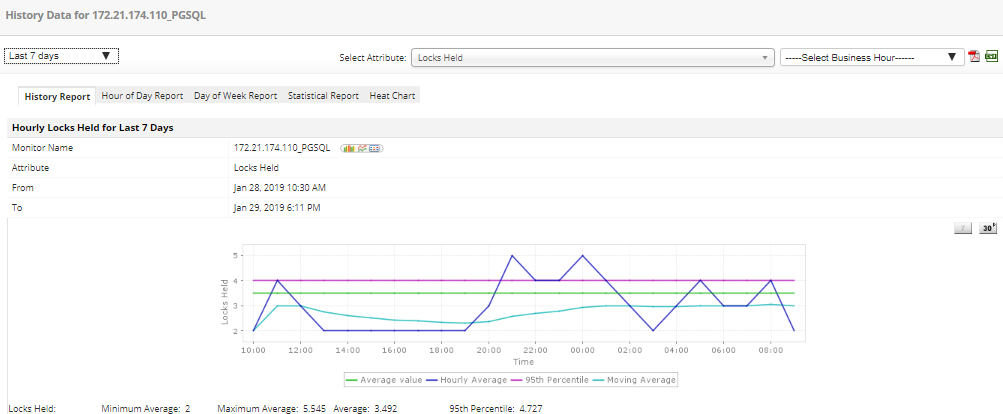
With the help of robust PostgreSQL monitoring tools like Applications Manager, you can monitor the critical parameters and KPIs associated with the optimal running of Postgresqldatabases.
By employing database observability solutions like Applications Manager, the performance of PostgreSQL queries can be monitored. Applications Manager fetches the top queries that use the most CPU along with the long running queries and queries with the largest sizes. This helps DB admins understand and make informed decisions regarding the speed, resource usage and most commonly used queries.