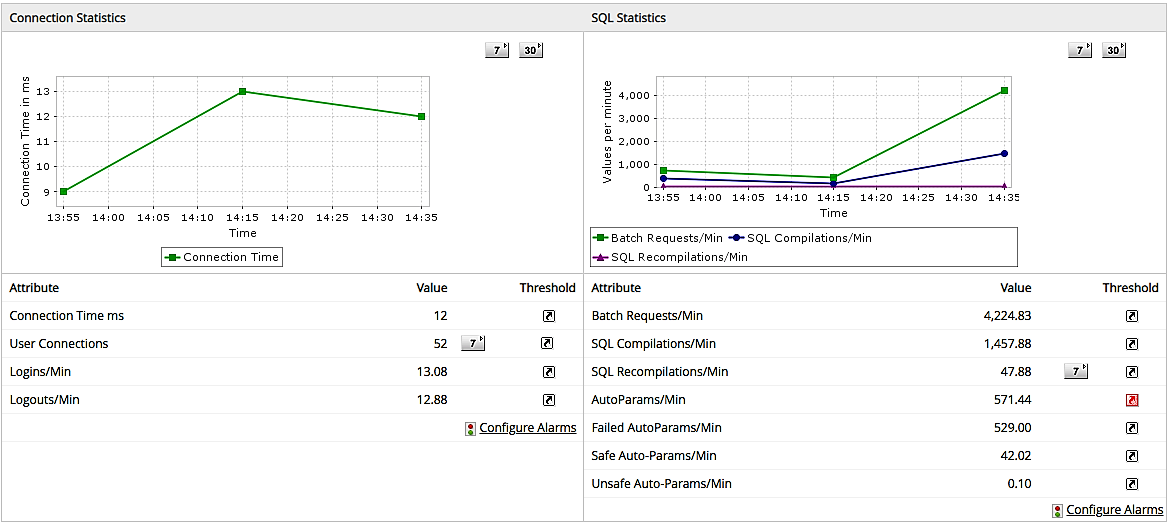
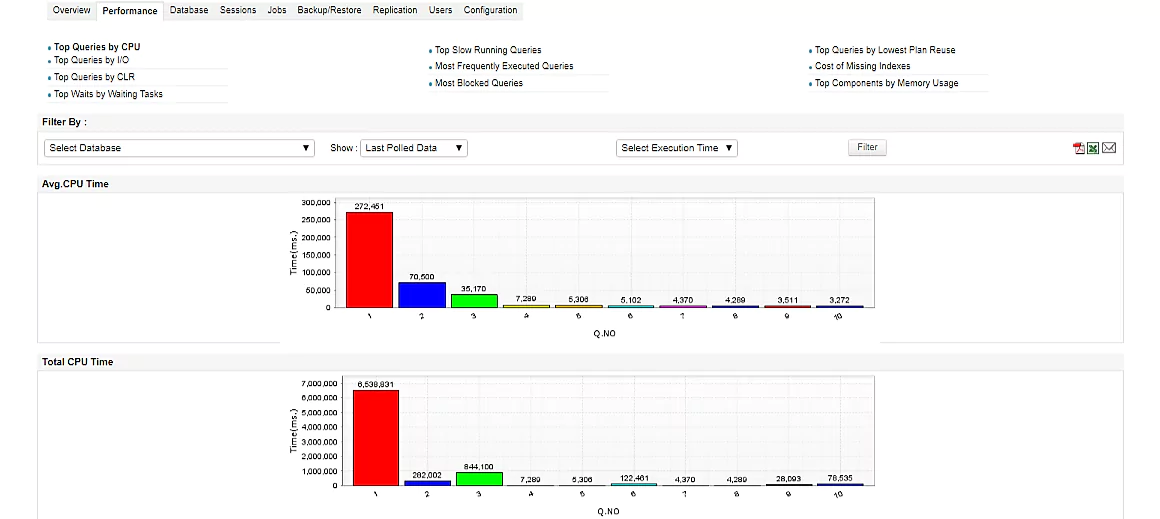
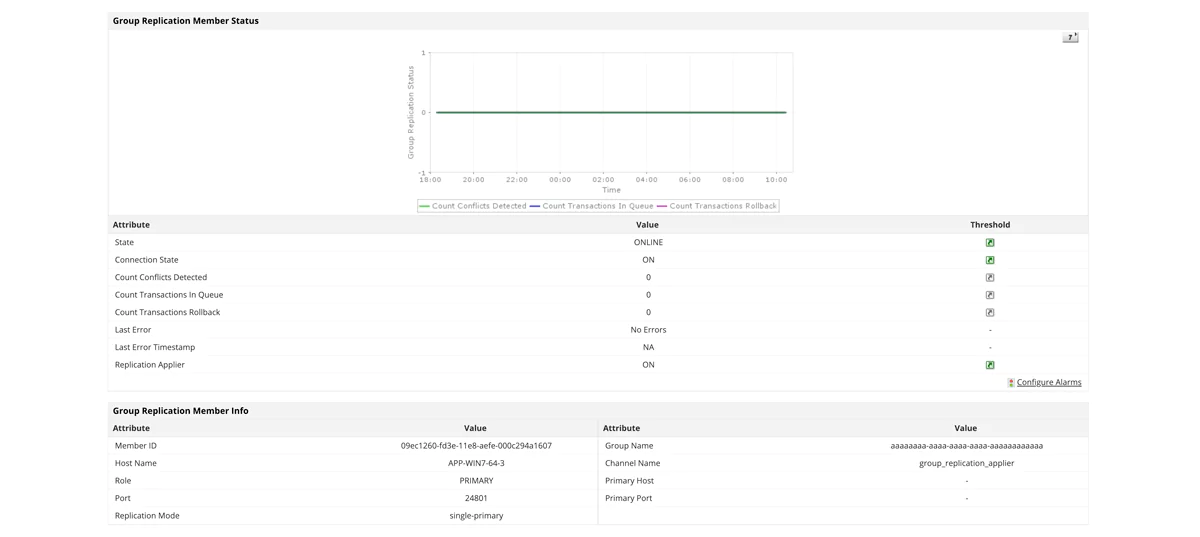
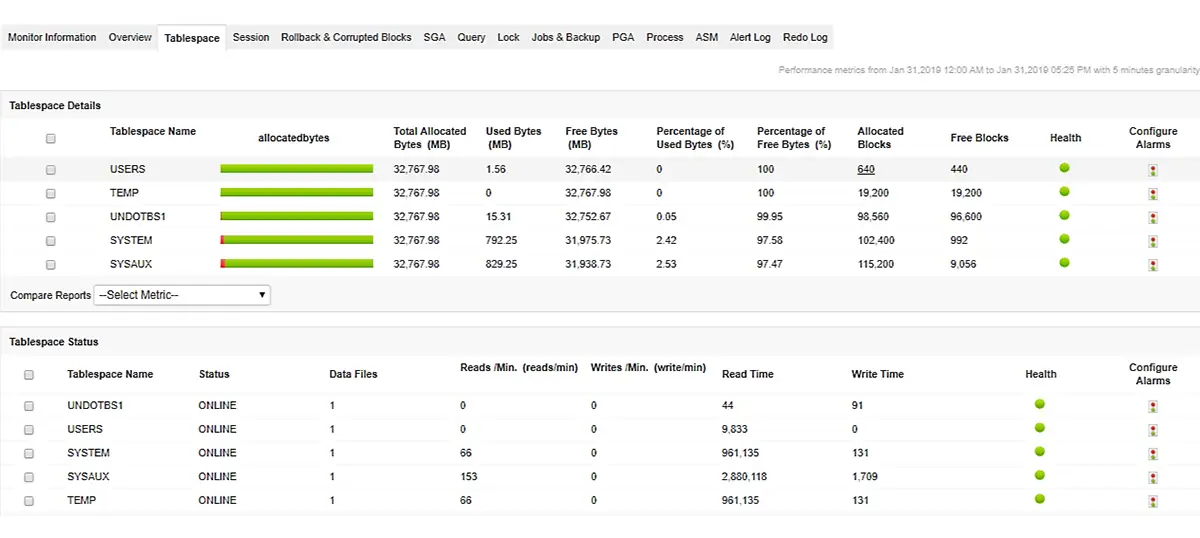
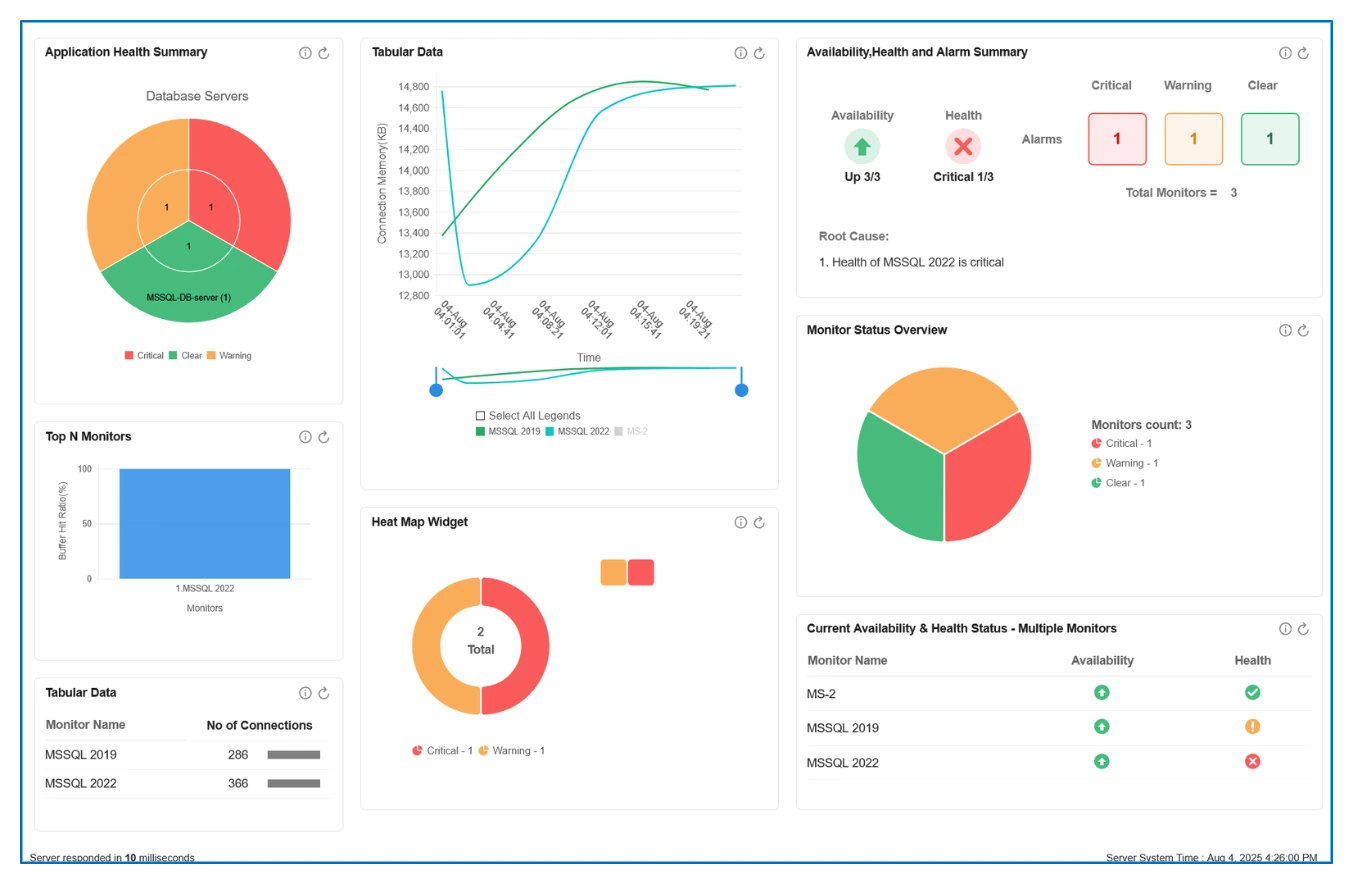
Database monitoring is the process of tracking the availability, and performance of databases in an organization. It involves analyzing the performance of your databases by tracking various key metrics, ensures proper functioning of your databases with in-depth visibility, and triggers instant alerts in case of potential issues to take proactive steps to ensure high availability of your databases.
Monitoring database performance is one of the most important responsibilities handled by database administrators to ensure high availability and enhanced performance for an application to function properly. When it comes to complex business operations like ecommerce, internet banking or trading, keeping a close watch on how your databases are performing is vital for a proper functioning of your business operations. To achieve this, implementing effective database monitoring strategies and using the best database monitoring tool becomes important.
Following are the challenges seen in database monitoring:
- Data complexity: Large volumes of data storage and transaction processing can make real-time monitoring difficult and complicated.
- Performance tuning: Not tracking the right KPIs for database performance can make it difficult for DBAs to derive optimization strategies and to predict potential issues that arise from it.
- Cost: Lack of implementing the right database monitoring solutions for your organization's needs can become expensive and can sometimes extend to affecting your business revenue as well.
- Server outages: Unexpected database server outages can impact your day-to-day business operations and can incur significant loss to your revenue if not detected soon.
- Data maintenance: Lack of optimization strategies to ensure high availability and data replication can be dangerous to business operations and can cause unwanted issues in times of maintenance or unexpected calamities.
Applications Manager's database monitoring software work by actively collecting and tracking various performance metrics such as CPU and memory utilization, query processing times, and operations that are running within the database to ensure high availability and faster response to data transactions. It helps organizations to plan their database optimization strategies and resolve performance issues in case of slow processing times.
You can monitor cloud and on-premises databases from a single console using ManageEngine Applications Manager. It provides unified visibility into diverse database types, whether hosted on physical servers, virtualized environments, or cloud platforms, ensuring consistent performance tracking without switching between tools.
Database activity monitoring (DAM) is the process of continuously tracking and analyzing all activities occurring within a database environment. It monitors user actions, SQL queries, data access patterns, and configuration changes in real time to detect unauthorized access, suspicious behavior, and policy violations. DAM helps organizations improve database security, meet compliance requirements, and gain visibility into how sensitive data is accessed and used across the organization.